Best THCa Strains for Relaxation in 2026: Top Picks
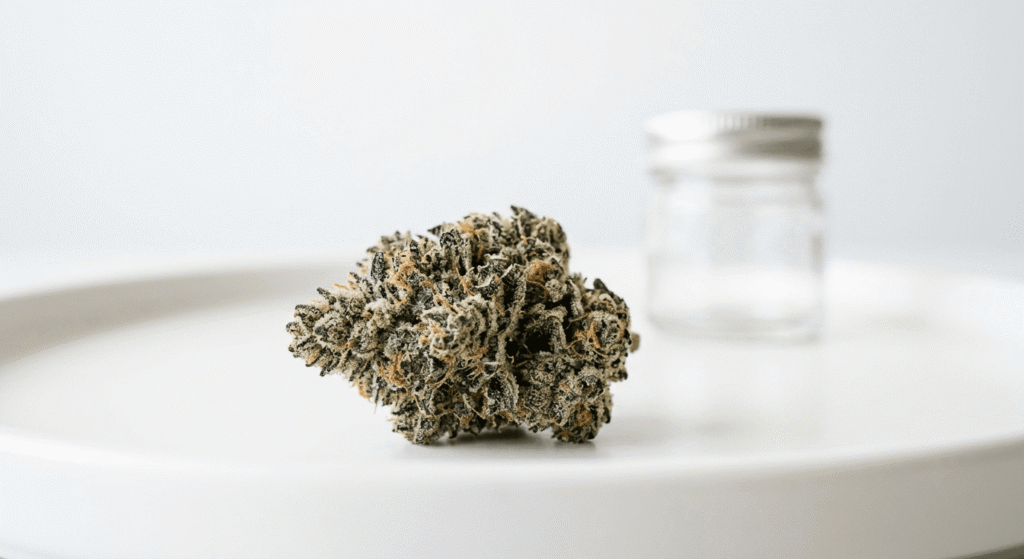
The best THCa strains for relaxation in 2026 are indica-leaning flowers built around myrcene and linalool, two terpenes tied to calming, body-heavy effects. Look for lab-tested, Farm Bill compliant

The best THCa strains for relaxation in 2026 are indica-leaning flowers built around myrcene and linalool, two terpenes tied to calming, body-heavy effects. Look for lab-tested, Farm Bill compliant
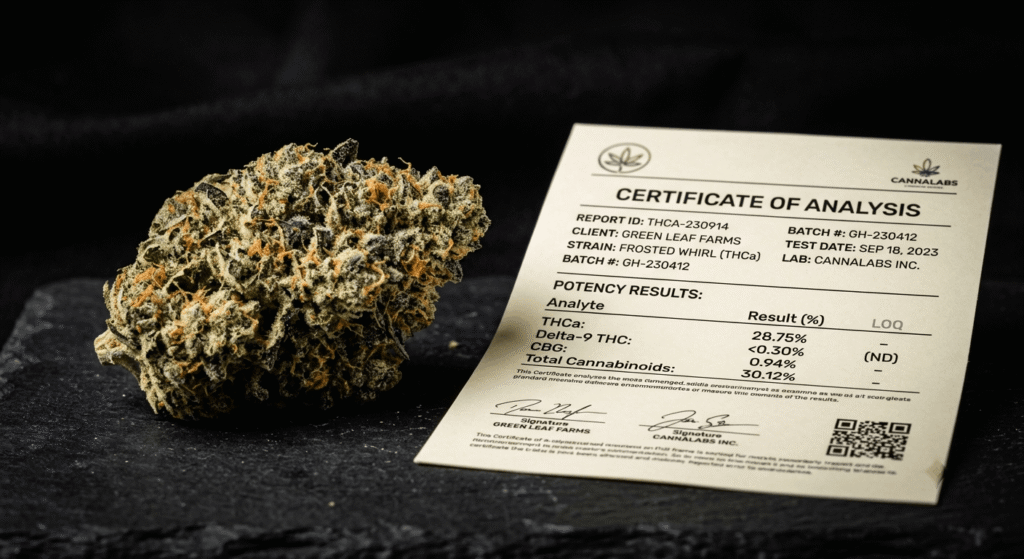
To learn how to read terpene profiles, pull up the product’s Certificate of Analysis and check three things: total terpene percentage, which individual terpenes sit above 0.5%, and the test date.
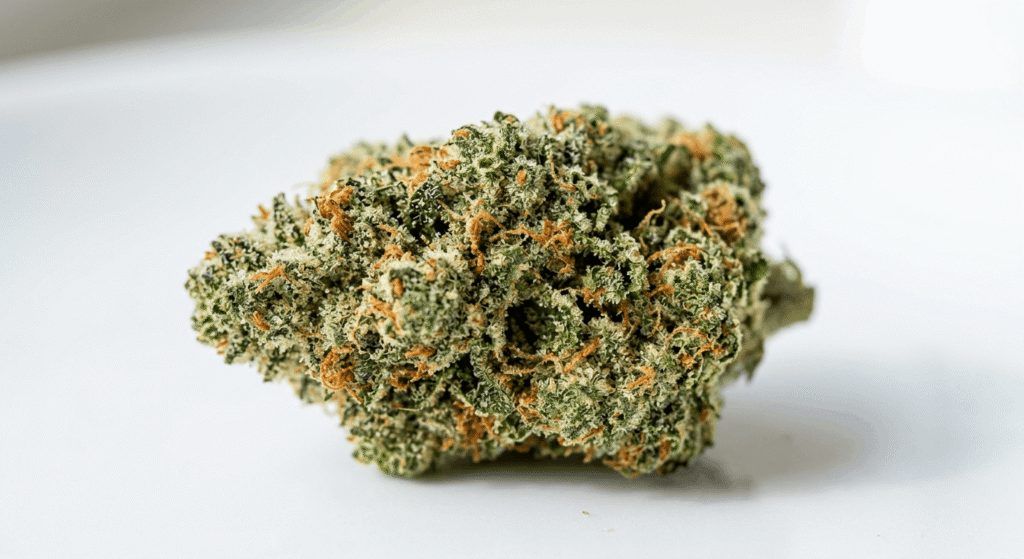
OG Kush genetics trace to a mid-1990s cross involving Chemdawg, Lemon Thai, and a Hindu Kush landrace, first stabilized in Los Angeles and spread almost entirely through clones.
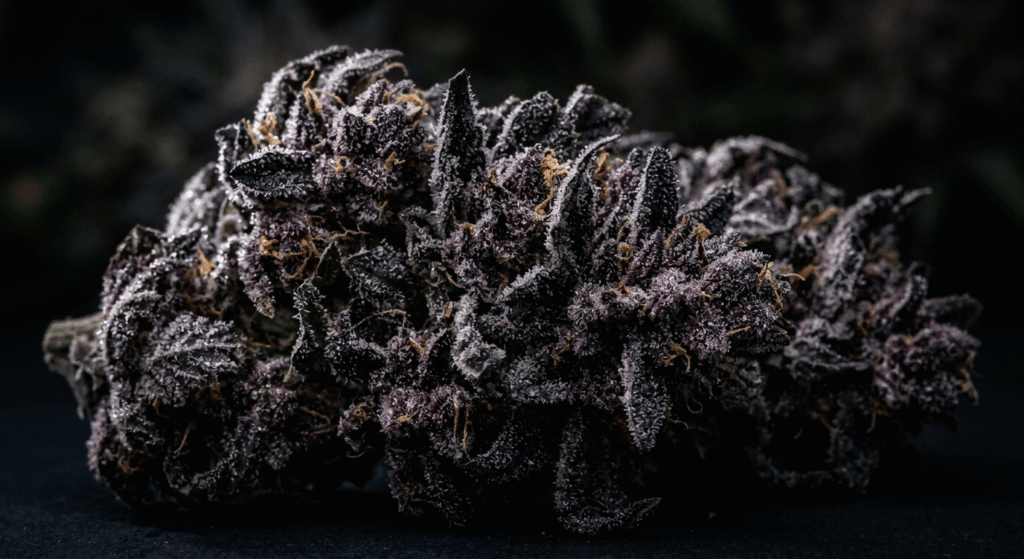
Exotic THCa strains are premium hemp flower bred from rare, hard-to-source genetics that produce heavier trichome coverage, louder terpene profiles, and more striking bud structure than standard flower.
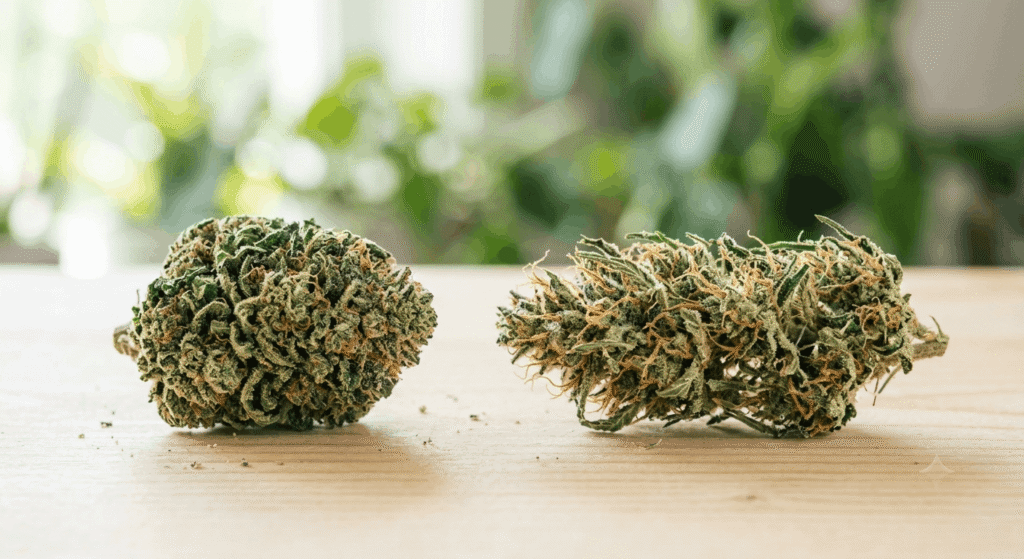
Hybrid THCa strains are hemp flower bred from both indica and sativa genetics, giving smokers a blended effect instead of a single lane. The actual experience comes down to terpene profile
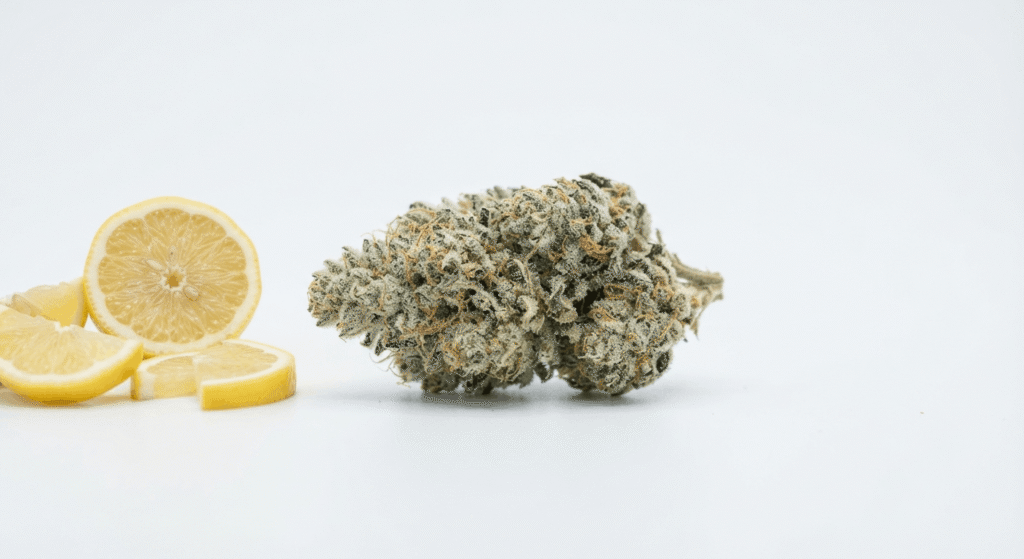
What makes a sativa is a mix of plant structure, terpene profile, and cannabinoid content, not just a label on a jar. Tall, narrow-leaved plants with limonene-rich aroma profiles tend to deliver the energizing,
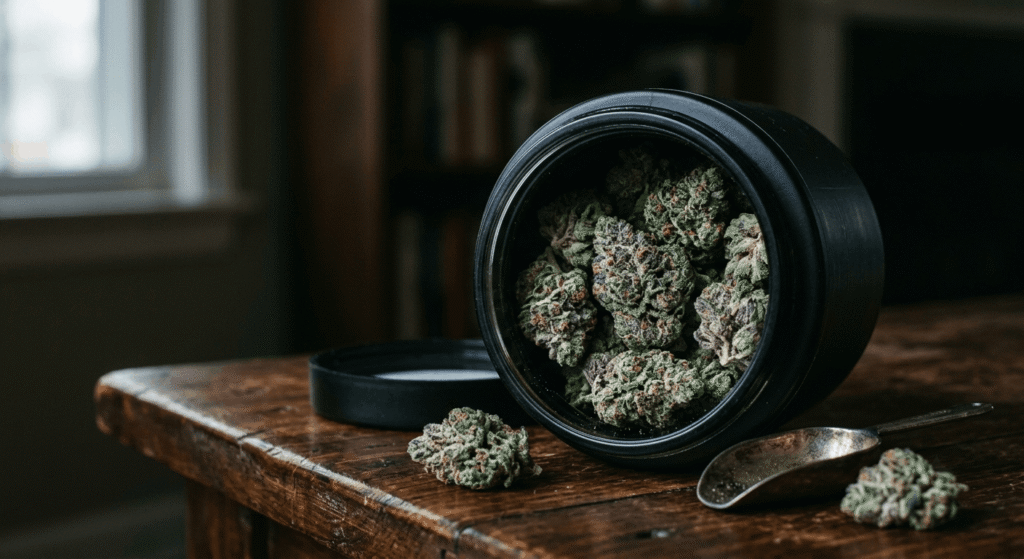
The best way to store THCa flower is in an airtight glass container, kept in a cool, dark spot between 60 and 70 degrees Fahrenheit, at 58 to 62 percent relative humidity.
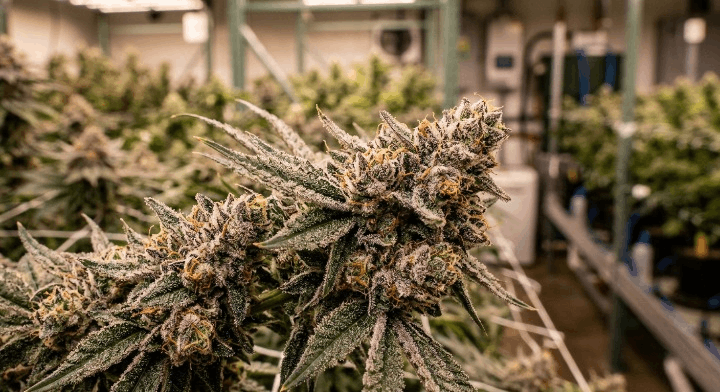
How indoor THCa flower is grown comes down to controlled light, temperature, and humidity across every stage of the plant’s life, followed by careful harvest timing, slow drying, and hand trimmed curing.
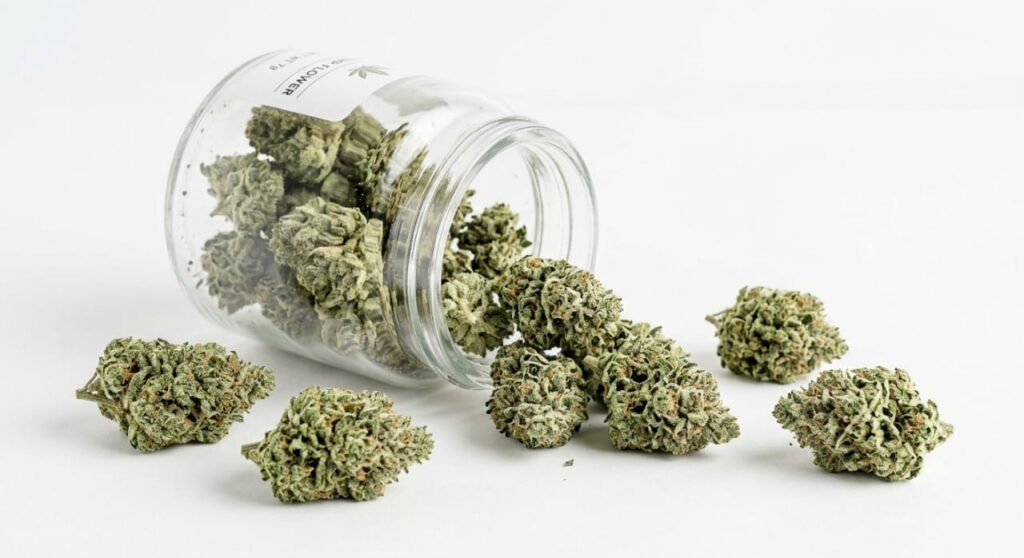
THCa budget strains are hemp flower priced below top-shelf rates, usually $30 to $80 an ounce. Many come from the same plants as a brand’s premium line, just sorted out for size or trim time, not weaker genetics.
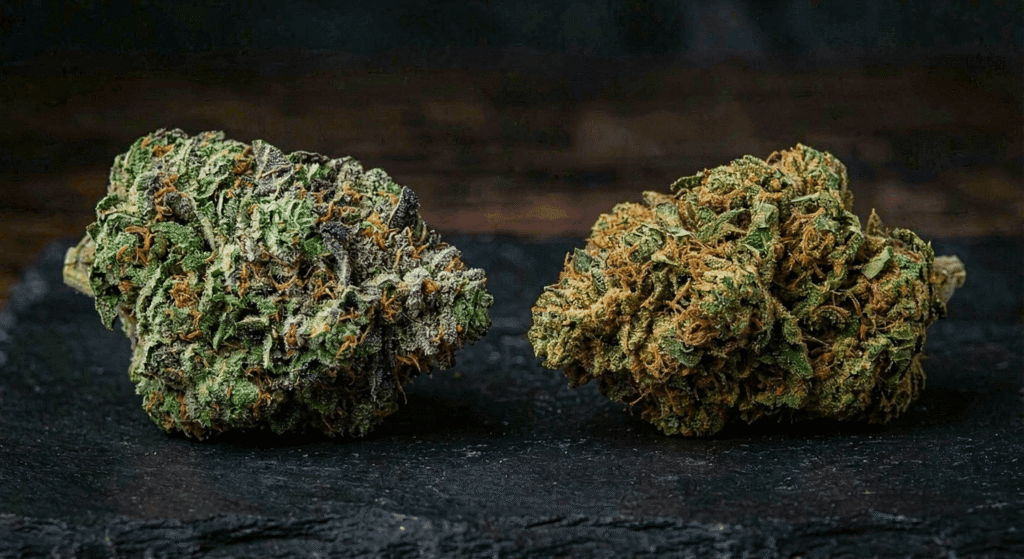
Light dep THCa flower is grown in greenhouses using blackout tarps to control the light cycle, while indoor THCa flower is cultivated in fully sealed rooms under artificial lighting. Indoor flower typically delivers more consistent bud density, potency, and aroma.