Quick Answer Box: Light dep THCa flower is grown in greenhouses using blackout tarps to control the light cycle, while indoor THCa flower is cultivated in fully sealed rooms under artificial lighting. Indoor flower typically delivers more consistent bud density, potency, and aroma. Light dep offers solid quality at a lower price with natural, sun-grown terpene expression
TL;DR
- Indoor THCa flower wins on consistency, bud density, and visual appeal but costs more
- Light dep THCa flower uses full-spectrum sunlight, producing earthy, natural terpene profiles at a better price point
- Both can test above 27% THCa the difference is in batch-to-batch reliability, not ceiling potency
- Choose indoor for craft cannabis precision; choose light dep for everyday value without sacrificing quality
What Is Light Dep vs Indoor THCa Flower?
Light dep and indoor are two distinct cultivation methods for growing hemp-derived THCa flower. Light deprivation uses greenhouse structures with blackout tarps to mimic shortened daylight and trigger early flowering. Indoor growing happens in fully sealed rooms where every variable, including lighting, humidity, and temperature, is dialed in artificially. Both produce resin-rich buds that are federally compliant under the 2018 Farm Bill, provided Delta-9 THC stays under 0.3% on a dry weight basis.
How Does Each Growing Method Actually Work?
The mechanics matter because they shape everything you taste, smell, and feel in the final flower.
Light Deprivation
Growers use blackout tarps or curtain systems to cut the plant’s light exposure short each day. Cannabis is a photoperiod plant — it reads darkness as a seasonal signal. Trick it into thinking fall has arrived, and it starts flowering ahead of schedule. The primary energy source is still the sun, which keeps overhead costs down and allows for multiple harvests per growing season. Some operations add supplemental lighting or tighter climate controls to close the quality gap with indoor.
Indoor Cultivation
Indoor grows run in sealed rooms with high-intensity grow lights, HVAC systems, and dehumidifiers running around the clock. Every nutrient input, moisture level, and light cycle is managed manually or through automation. There’s no weather, no seasonal pressure, and no unpredictability. That level of control is exactly why indoor flower consistently shows tighter trichome structure and more uniform bud density across batches.
How Do They Compare on Potency and THCa Percentages?
Both grow methods are capable of producing high-potency THCa buds, but they hit those numbers differently.
Indoor flower routinely tests in the 28–35% THCa range. Because the environment is engineered rather than natural, growers can optimize lighting schedules specifically for cannabinoid production. Every crop has a near-identical starting point, so batch results stay tight.
Light dep flower sits in a wider range typically 25–32% THCa on quality batches. A lab-tested light dep strain like Black Tie CBD’s Banjo tested at 31.97% THCa with 2.53% total terpenes, showing what’s possible when the method is executed well. The ceiling is real. The floor depends on growing conditions that day, that season. Clouds, temperature swings, and humidity spikes can each pull cannabinoid development slightly off course. Growers who add climate control to their greenhouse operations narrow this gap considerably.
Bottom line: indoor is more consistent batch to batch. Light dep can absolutely rival it on a good run.
Which Produces Better Aroma and Flavor?
This is where the debate gets personal.
Indoor flower terpene profiles are dialed-in and concentrated. A well-grown craft cannabis strain from an indoor facility tends to hit you the moment you crack the jar candy-sweet, gassy, funky, or sour, depending on the genetics. Controlled drying and curing lock in those terpenes tightly. The result is a bold, engineered aroma that reads as premium.
Light dep buds get their flavor from full-spectrum sunlight. That natural exposure tends to produce broader, earthier, more layered terpene profiles. Fruity strains, floral sativas, and gas-forward hybrids that love sun often express complexity under light dep conditions you won’t always find indoors. It’s not louder, but it can be more nuanced. Think of the difference between a hothouse tomato and one grown in the field. Different, not lesser.
If you want a loud, consistent nose every time, indoor wins. If you’re chasing a more natural terpene experience, well-grown light dep THCa buds often deliver it.
Light Dep vs Indoor THCa Flower
| Factor | Light Dep THCa Flower | Indoor THCa Flower |
|---|---|---|
| Grow Environment | Greenhouse with blackout tarps | Sealed room, artificial lighting |
| Typical THCa Range | 25–32% | 28–35% |
| Bud Density | Good to very good; some variation | Dense, consistent across batches |
| Terpene Character | Natural, sun-driven, earthy | Engineered, bold, concentrated |
| Batch Consistency | Moderate (weather-dependent) | High (fully controlled) |
| Price Point | Mid-range, better value | Premium |
| Harvests Per Year | Multiple | Year-round |
| Environmental Impact | Lower energy footprint | Higher energy use |
| Visual Appeal | Good trim; less uniform than indoor | Top-shelf bag appeal |
Does Bud Density Really Differ Between the Two?
Yes. It’s one of the most visible differences.
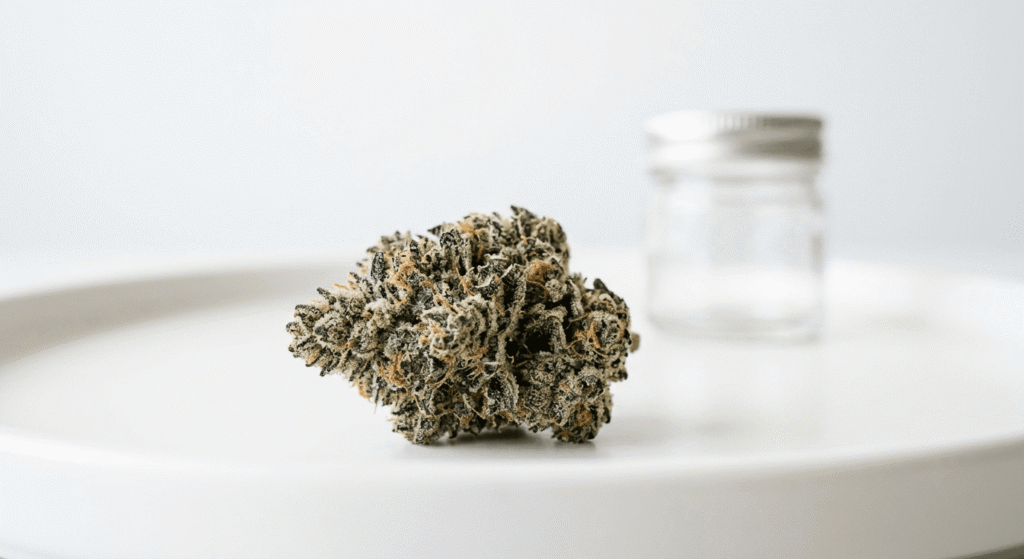
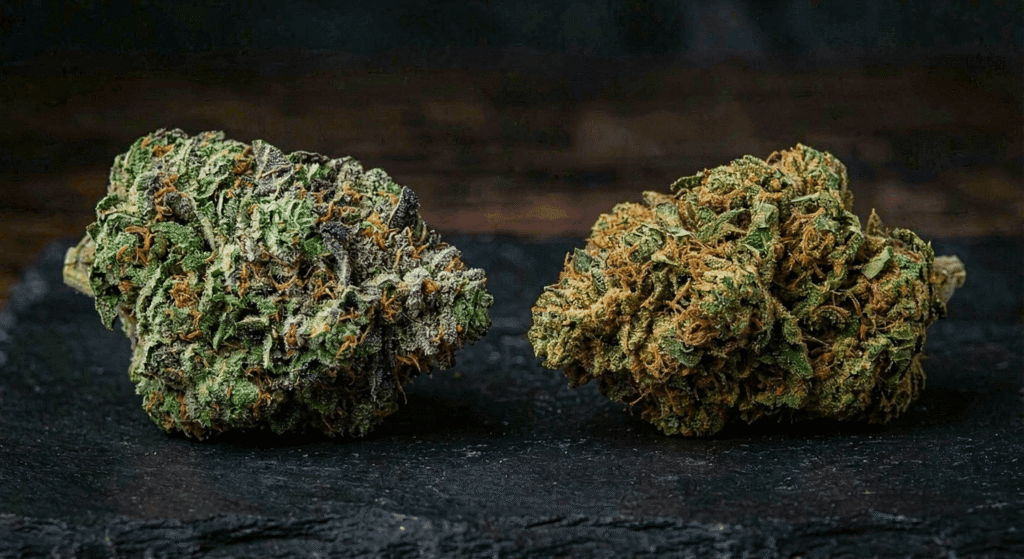
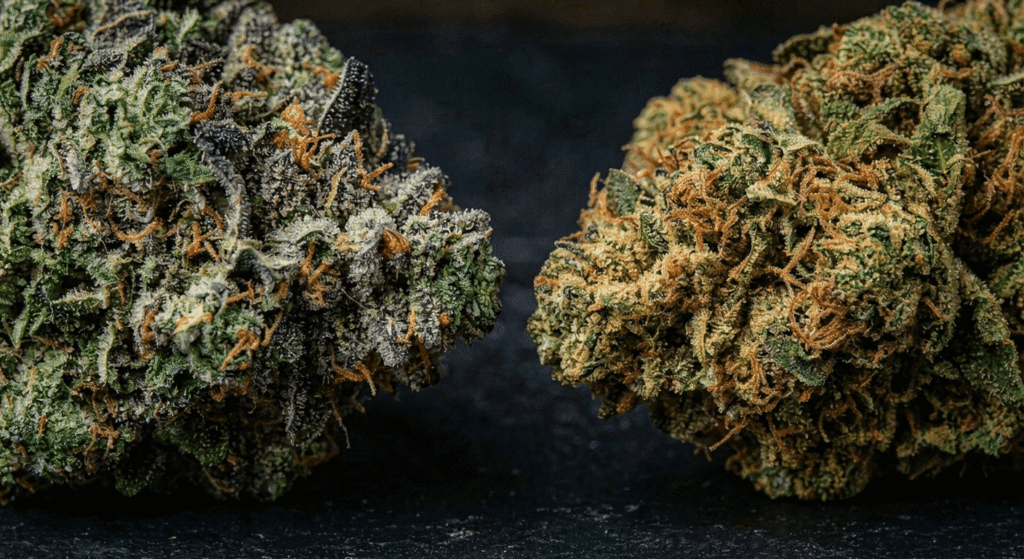
Indoor flower is what people picture when they think top-shelf THCa buds. Dense, compact nugs with tight trichome coverage, vivid color, and a clean trim. That’s no accident indoor grows dial in light intensity, canopy distance, and airflow to push the plant toward that structure every single time.
Light dep buds can look excellent. A skilled grower in the right climate, running supplemental controls, produces flower that can fool experienced buyers. But there’s natural variation baked into the process. Sunlight isn’t consistent day to day. One overcast week during flower development can produce looser, airier structure on a portion of the crop. That’s not a deal-breaker for quality or potency. It just means you might see more variety across jars from the same harvest.
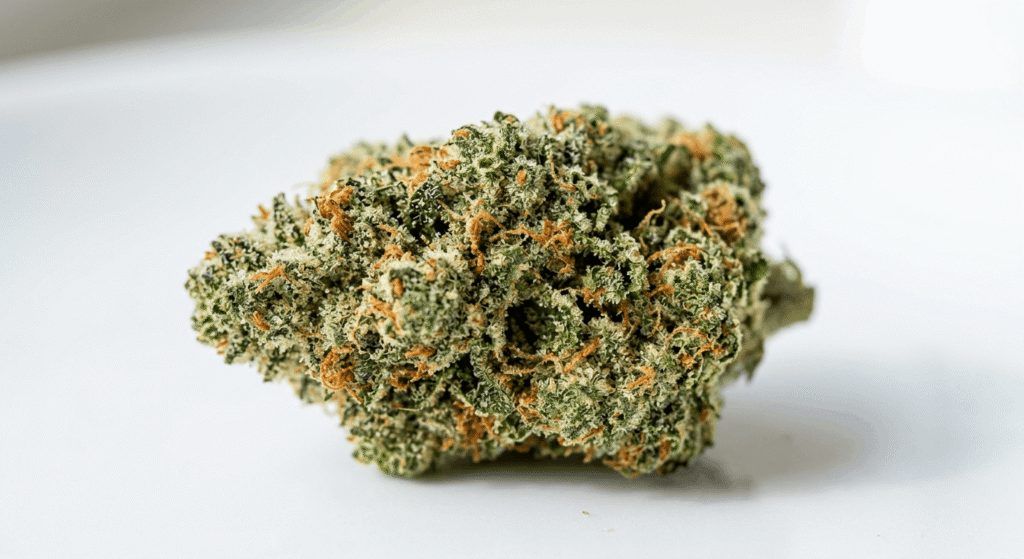
Check the trichome coverage when you’re evaluating either. Resin-rich buds with visible crystal development signal proper cannabinoid and terpene development regardless of grow method.
How to Choose the Right Option for You
Start with your budget. Indoor craft cannabis flower commands a premium because the overhead is real lighting, climate control, and labor all cost more. Light dep THCa flower runs lower because sunlight is free. For everyday smoking, light dep delivers strong value.
Then consider what you’re optimizing for. Flavor hunters who want that engineered-loud nose every time should look at indoor. People who enjoy natural terpene expression and earthy profiles often prefer a well-run light dep batch.
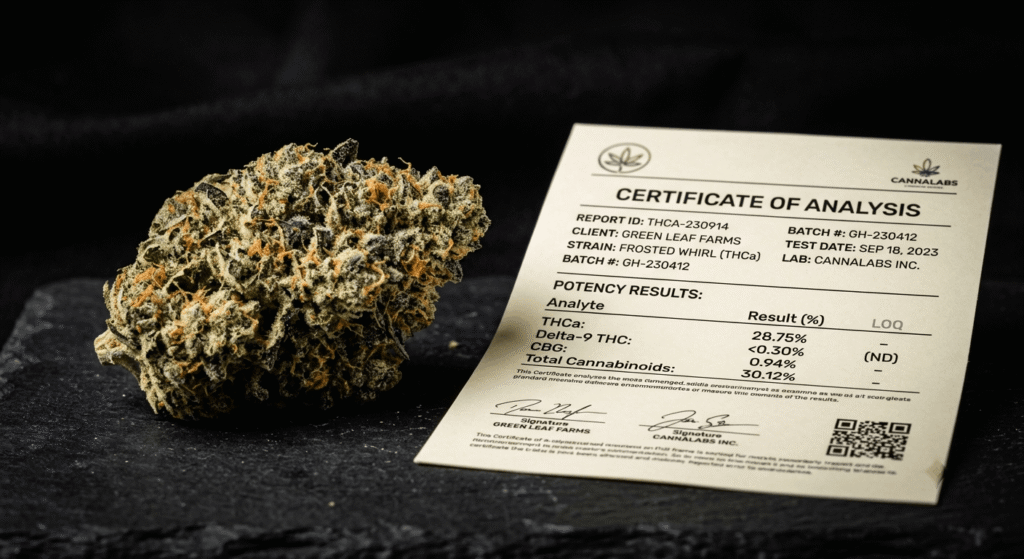
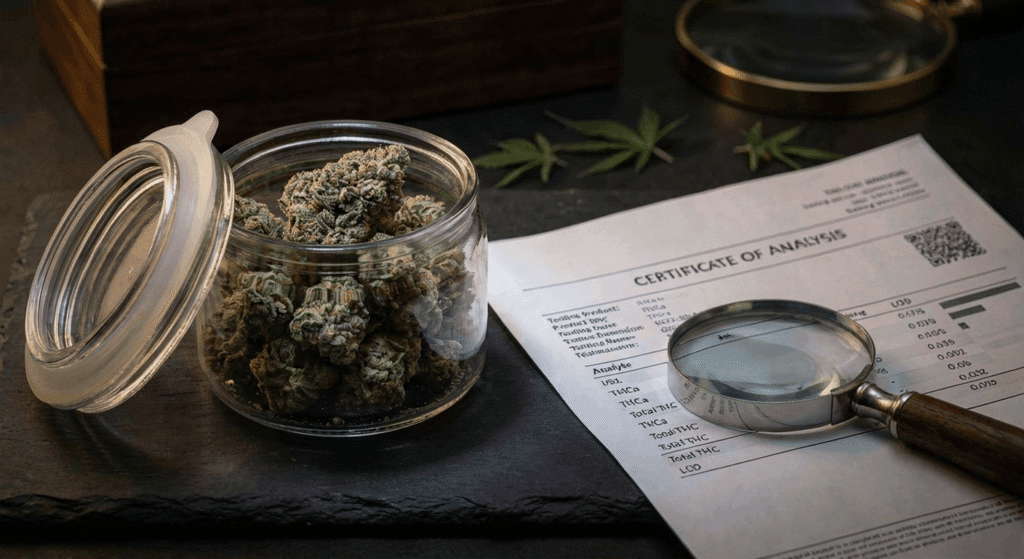
Always check the COA (Certificate of Analysis) before buying either. A lab report showing total THCa percentage, terpene content, and a clean pesticide panel tells you more than the grow label alone. Co Exotics publishes lab results for every product at coexotics.co/lab-results/ it’s the simplest way to verify what you’re actually getting.
For a deeper look at reading those numbers, see the THCa flower category page to browse options across both grow methods.
Frequently Asked Questions
1. Is light dep THCa flower lower quality than indoor?
Not necessarily. Light dep quality depends heavily on the grower, the climate, and the operation’s level of control. A skilled cultivator running a properly managed greenhouse can produce flower that rivals mid-to-high-grade indoor batches in both potency and flavor. The gap closes significantly when supplemental lighting and climate management are added to the greenhouse setup.
2. What THCa percentages can light dep flower reach?
Quality light dep batches regularly test between 27% and 32% THCa. Some batches push above that. The range is wider than indoor because sunlight variability affects cannabinoid development, but ceiling potency can be comparable.
3. Why does indoor flower cost more?
Indoor operations run artificial lighting, HVAC systems, and dehumidifiers continuously. That energy and labor overhead is significantly higher than a greenhouse operation relying primarily on sunlight. The cost difference shows up in the retail price.
4. Is hemp-derived THCa flower legal in the US?
Yes, hemp-derived THCa flower is federally legal under the 2018 Farm Bill when it contains no more than 0.3% Delta-9 THC on a dry weight basis. State laws vary, so check your state’s hemp regulations before ordering.
5. Does the grow method affect how THCa converts to THC when smoked?
No. Decarboxylation the heat-driven conversion of THCa to THC happens the same way regardless of whether the flower was grown indoors or under light dep. The conversion process is about temperature and time, not cultivation method.
6. Which is better for concentrate extraction light dep or indoor flower? I
ndoor flower’s tighter trichome density and consistent resin production often make it the preferred input for high-end concentrates like rosin and live resin. Light dep flower is regularly used for solvent-based extractions where consistent cannabinoid yield matters more than visual structure.
7. How do I know if a brand is being honest about its grow method?
Look for batch-specific COAs tied to real harvest dates, and check whether the lab test includes terpene percentages alongside THCa. Brands that publish transparent lab results for every product rather than generic results are more reliable regardless of the grow method they advertise.
Conclusion
Light dep vs indoor THCa flower isn’t a clear-cut winner or loser. Indoor delivers the craft cannabis experience consistent bud density, bold concentrated aroma, and reliable potency batch after batch. Light dep offers natural sun-grown terpene profiles, solid THCa percentages, and genuine value for everyday use. Both produce resin-rich buds worth your time when grown and cured properly.
What matters most is what you’re buying for. Check the lab results. Know the grow method. And choose flower from a brand that publishes its COAs without hesitation.
Co Exotics carries light dep flower and indoor-grown THCa flower both lab-tested and sourced for quality you can verify before you buy.