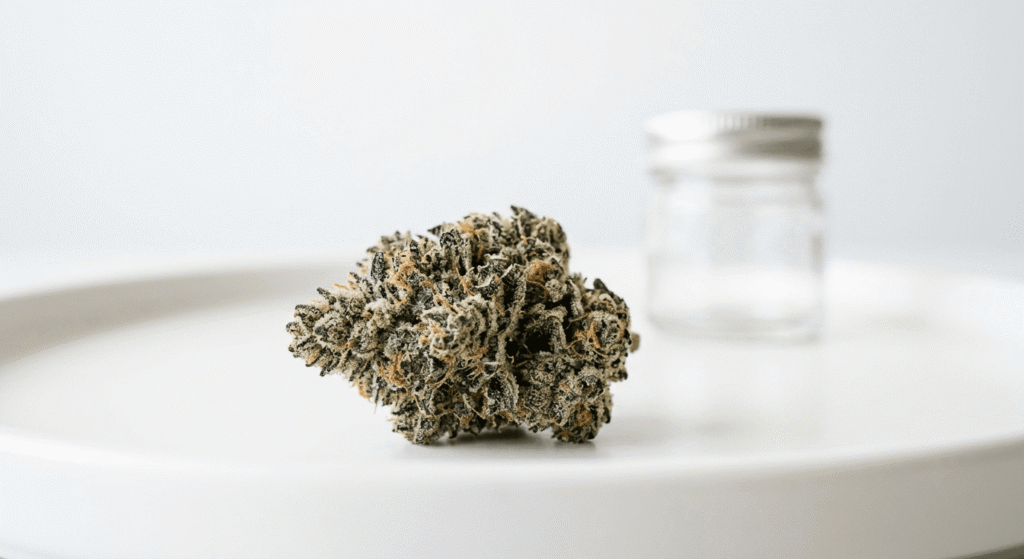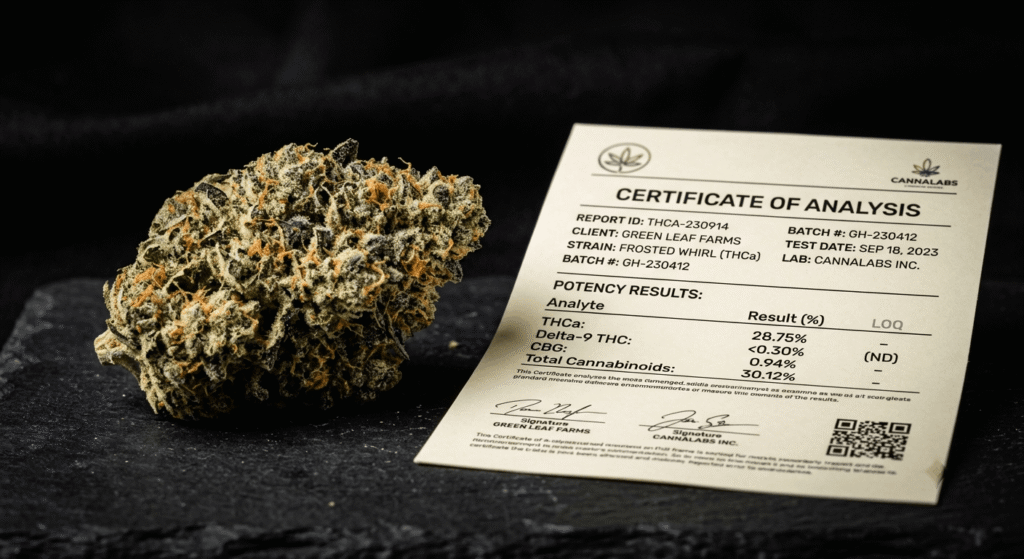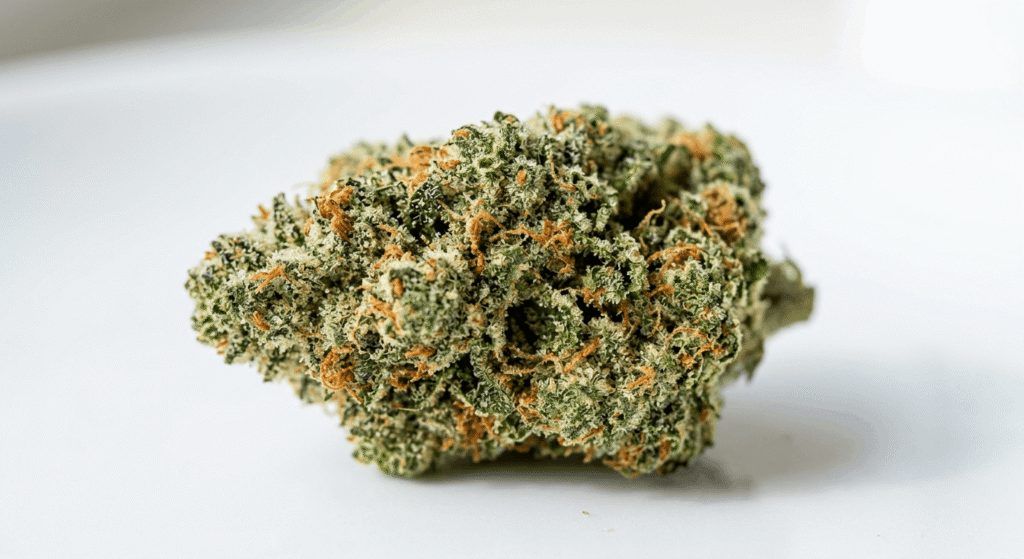
Quick Answer Box: Exotic THCa strains are premium hemp flower bred from rare, hard-to-source genetics that produce heavier trichome coverage, louder terpene profiles, and more striking bud structure than standard flower. The higher price reflects limited harvests, slower curing, and cultivars most growers never get to touch.
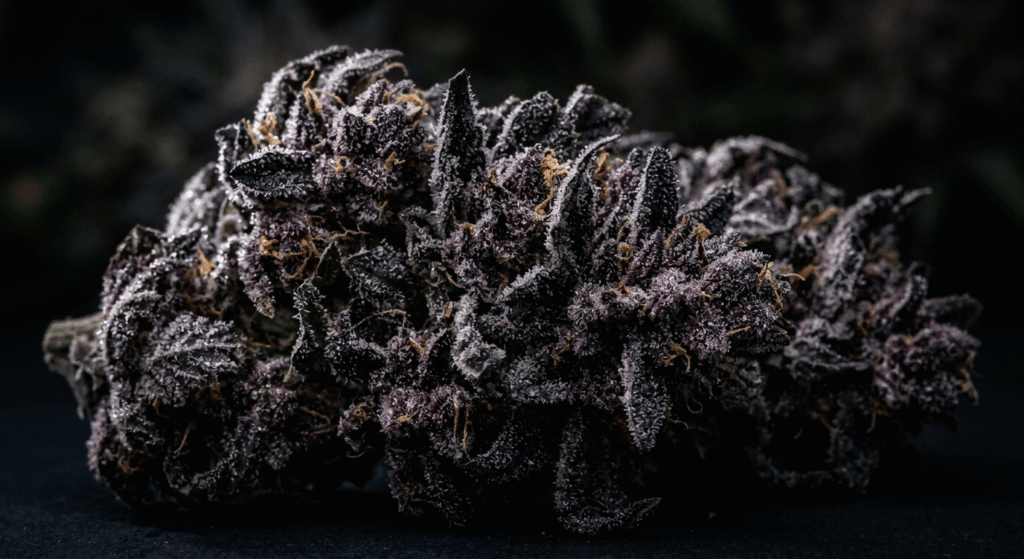
What Are Exotic THCa Strains?
Exotic THCa strains are premium hemp flower grown from limited or hard-to-source genetics that stand out in appearance, aroma, and overall smoking experience. They’re not defined by potency alone. A true exotic combines rare breeding lineage, dense trichome coverage, and a terpene profile that reads as sharp, layered, or unusual compared to everyday flower.
Walk into any grow room stocked with exotic cuts and the difference hits before you even pick up a jar. The colors run deeper. The smell carries farther. That gap starts with genetics most cultivators simply don’t have access to.
Small, specialized breeding collectives control a lot of the rarest cuts. They release phenotypes selectively, sometimes to a handful of growers at a time. A grower might screen hundreds of seedlings from a single cross and keep only one or two “keeper” phenotypes worth preserving through cloning. That labor is part of why exotic flower costs more. You’re not paying for a plant. You’re paying for a selection process that took months, sometimes years, to land on the right expression.
Bud structure and color tell part of the story too. Exotic THCa flower often shows dense, compact colas, unusual pigmentation like deep purple or near-black hues, and a trichome layer so heavy it looks almost frosted. None of that happens by accident. It’s the product of dialed-in indoor environments and genetics selected specifically for that visual punch.
What Makes a THCa Strain Truly Exotic?
A strain earns exotic status through four things working together: rare or limited genetics, a complex terpene profile, standout bud appearance, and careful cultivation from seed to cure. Miss any one of those and a strain is just expensive, not exotic.
Genetics come first. Breeders like Cookies Fam and Compound Genetics occasionally drop small batches of new crosses, and only a limited group of cultivators ever grows them out. When a grower lands a clean, stable expression of one of those crosses in compliant hemp form, that flower carries genuine exotic pedigree, not a marketing label slapped on a common strain.
Terpenes are the second piece, and arguably the one shoppers notice first. High terpene THCa flower doesn’t smell like generic “skunk.” It smells layered: candy and diesel in the same breath, or grape and gas, or something closer to fresh-cut citrus over pine. That complexity comes from specific terpene combinations like myrcene paired with limonene or caryophyllene, and research on the cannabis plant’s chemistry backs up why those combinations matter beyond just smell. Researchers have proposed that terpenes contribute a positive effect alongside cannabinoids, an idea known as the entourage effect, where the combined impact is thought to be greater than any single compound acting alone. It’s worth noting the science is still developing. Some laboratory studies have found no clear direct interaction between terpenes and cannabinoid receptors, so treat entourage effect claims as a working theory rather than settled fact. If you want the fuller picture of how terpenes shape aroma and effect, our introduction to terpenes breaks it down strain by strain.
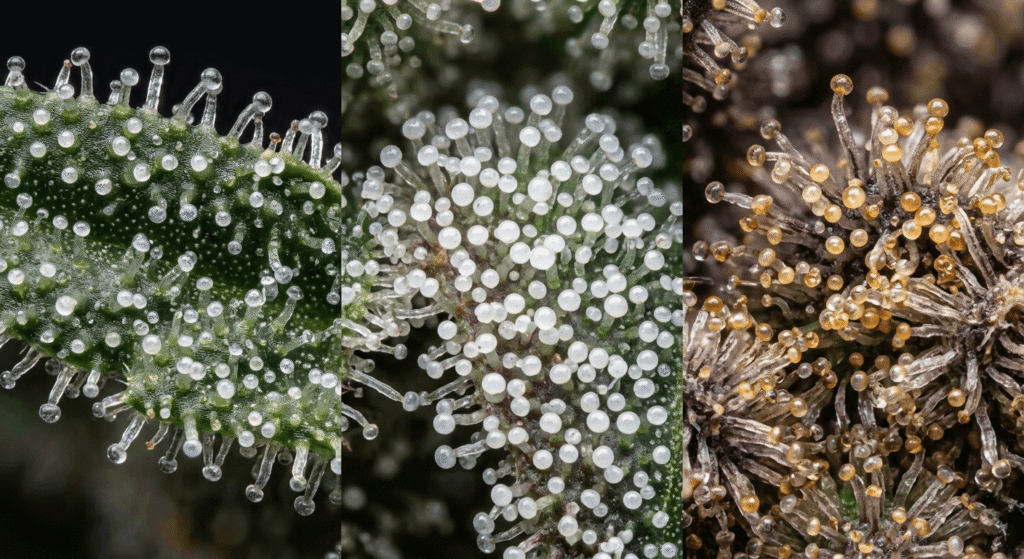
Harvest timing separates good flower from great flower. Trichome color signals maturity, and growers who chase exotic quality time their harvest around a narrow window.
| Trichome Stage | Appearance | What It Means for the Smoke |
|---|---|---|
| Clear | Glassy, translucent | Harvested early, effects can feel sharp or thin |
| Cloudy | Milky white | Peak cannabinoid window, full flavor and balanced effects |
| Amber | Golden, opaque | Later harvest, heavier and more sedating body feel |
Most cultivators chasing exotic quality harvest right at the cloudy-to-light-amber transition. That window delivers the fullest terpene expression without tipping into an overly sedative profile. Cold curing after harvest protects those terpenes further, since heat and light break them down fast.
Why Do Exotic THCa Strains Cost More?
Exotic THCa strains cost more because they come from smaller harvests, slower cultivation cycles, and genetics that simply aren’t available at scale. You’re paying for scarcity and craft, not just a higher lab number on a certificate of analysis.
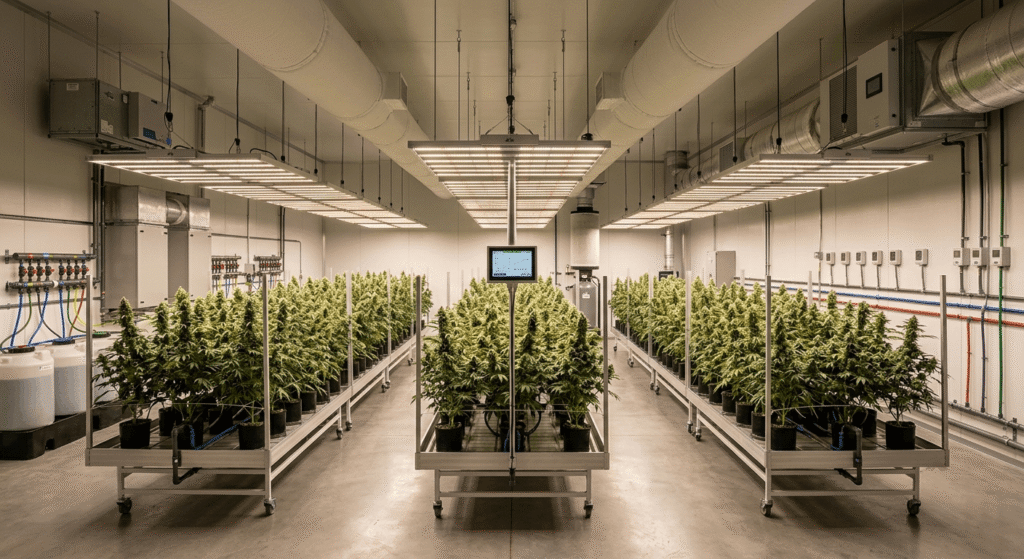
Indoor cultivation plays a huge role here. Growing exotic THCa flower indoors means controlling lighting, temperature, humidity, and CO2 down to tight ranges throughout the entire cycle. That control costs money in electricity, equipment, and skilled labor, and it produces smaller yields per square foot than a large outdoor or light-dep operation. A grower chasing top shelf THCa isn’t optimizing for volume. They’re optimizing for the plant expressing its full genetic ceiling, and that tradeoff shows up in the price tag. Browse our indoor THCa flower collection to see that difference firsthand, or check our budget strain lineup if you want strong flower without the exotic price tag.
Limited genetics compound the cost. If only a small circle of cultivators has access to a specific cut, supply stays tight no matter how strong demand gets. Add in the labor of phenotype hunting, the slower cure times premium flower requires, and stricter quality control at every stage, and the math behind exotic pricing starts to make sense.
There’s also a shifting legal backdrop worth understanding if you’re building a THCa strain guide of your own. The federal definition of hemp is scheduled to change 365 days after the enactment of P.L. 119-37, with that shift taking effect November 12, 2026. Under the new standard, hemp will be defined by total THC concentration, capped at 0.3% on a dry weight basis, rather than the old delta-9-only threshold. That change affects sourcing and compliance across the industry, so buying from a brand that stays current on testing and transparency matters more than ever heading into that deadline. Our piece on why cannabis transparency matters more in 2026 walks through what that means for shoppers.
Frequently Asked Questions
1. Are exotic THCa strains always higher in potency than regular flower?
Not necessarily. Exotic status depends on rarity, terpene complexity, and visual appeal as much as raw cannabinoid percentage. Plenty of exotic cuts test in a moderate range while still delivering a far more layered smoking experience than a high-percentage but genetically common strain.
2. How can I tell if THCa flower is genuinely exotic and not just marketed that way?
Check for these signs before buying:
- Dense, resinous bud structure with visible trichome frost
- A complex, layered aroma rather than a single-note smell
- Traceable genetics or strain lineage from the seller
- A current, third-party lab report confirming cannabinoid and terpene content
3. Does premium THCa flower quality justify the higher price?
For most shoppers who value flavor, aroma, and a more refined smoking experience, yes. The premium reflects real costs: smaller harvests, indoor cultivation, slower curing, and limited-access genetics. If potency alone is the priority, standard flower can deliver similar THCa percentages for less.
4. How should I store exotic THCa strains to keep them fresh?
Keep exotic flower in an airtight glass jar, away from heat, light, and humidity swings. A cool, dark cabinet around 65 to 70 degrees works best. Light and warmth break down terpenes fast, and that’s the first thing you lose when exotic flower is stored poorly.
5. Can I find exotic THCa strains at a lower price point without losing quality?
Yes, though the tradeoffs are real. Smaller-batch drops and rotating harvests sometimes bring exotic genetics down in price without cutting corners on cultivation. Watch lab reports closely either way. A lower price only holds up if the terpene and cannabinoid testing still checks out.
Conclusion
Exotic THCa strains earn their reputation through a combination of rare genetics, dense trichome coverage, complex terpenes, and careful indoor cultivation, not through hype alone. The next time you’re comparing jars, look past the percentage on the label and pay attention to bud structure, aroma depth, and where the genetics actually came from. That’s what separates a strain worth the premium price from one riding on the exotic name without earning it.