Quick Answer Box: What makes a sativa is a mix of plant structure, terpene profile, and cannabinoid content, not just a label on a jar. Tall, narrow-leaved plants with limonene-rich aroma profiles tend to deliver the energizing, cerebral effects people associate with sativa-dominant THCa flower. Genetics and trichome density matter more than the name alone.
What Makes a Sativa?
A sativa is traditionally defined by its plant structure: tall stalks, narrow leaves, and a long flowering cycle that originated in equatorial climates near the Cannabis sativa L. species. In modern hemp flower, “sativa-dominant” also signals a terpene and cannabinoid profile built around limonene and pinene, which is why the label still shapes buying decisions even as genetics blur the old lines.
What Are the Key Characteristics of Sativa-Dominant THCa Flower?
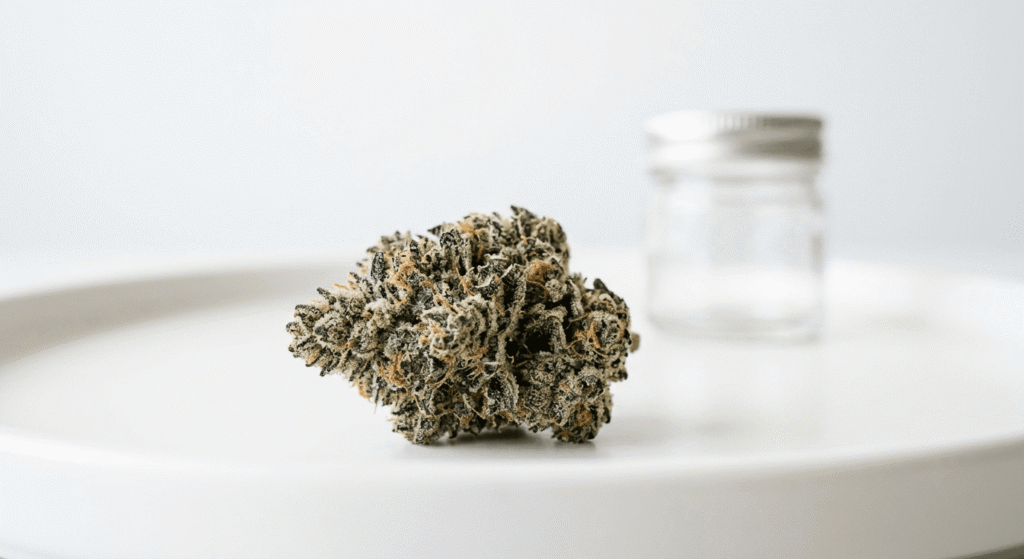
Sativa-dominant THCa flower is defined by three overlapping traits: elongated plant structure, a citrus-forward aroma profile, and trichome density that determines how much THCa the bud actually carries. None of these traits guarantees a specific high on their own. They work together.
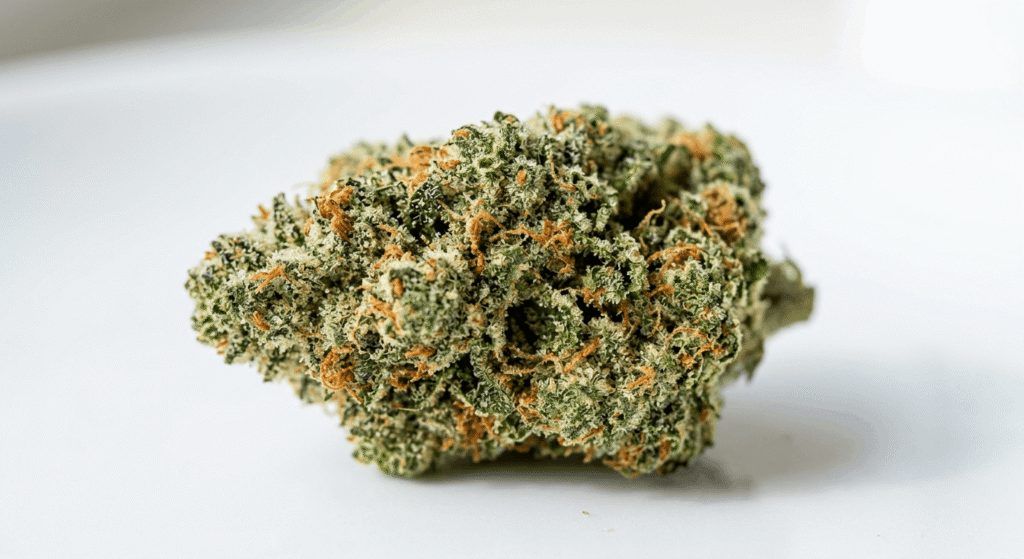
The visual tell comes first. Sativa plants grow tall and thin, with light green, finger-like leaves and loose, airy buds that pack less weight per branch than their indica cousins. Growers who favor these types of weed usually run longer flowering cycles, sometimes eight to twelve weeks longer than a dense indica plant, because the genetics trace back to warm-weather regions like Southeast Asia and Central America.
But structure alone doesn’t decide the experience. Research out of Dalhousie University and the University of Colorado, Boulder found no consistent chemical or genetic split between plants labeled sativa versus indica. Decades of hybrid breeding have mixed the two so thoroughly that one researcher called the categories “too mixed up” to reliably predict effects. That’s a real gap most buying guides skip over, and it matters. It means a jar labeled sativa won’t automatically hit the same for two different people, or even two different harvests.
Trichomes Do the Real Work
Trichomes are the tiny, mushroom-shaped glands coating the surface of the flower, and they’re where cannabinoid production actually happens. THCA synthase inside the trichome head converts a precursor called CBGA into THCa, the acidic, non-intoxicating compound that later converts to THC through heat. Fresh, uncured flower can carry THCa at 10 to 30 percent of dry weight depending on the strain and grow conditions. Dense, frosty trichome coverage is a stronger quality signal than the sativa or indica label printed on the label.
Premium hemp flower growers judge harvest timing by trichome color under a loupe, not by a calendar date. Cloudy, amber-tinted trichomes signal peak cannabinoid content, while clear trichomes mean the plant needs more time. If you’re comparing jars side by side, our full lineup of THCa flower breaks strains down by lab-tested potency rather than by genetics alone, which gives you a clearer read than the sativa label by itself.
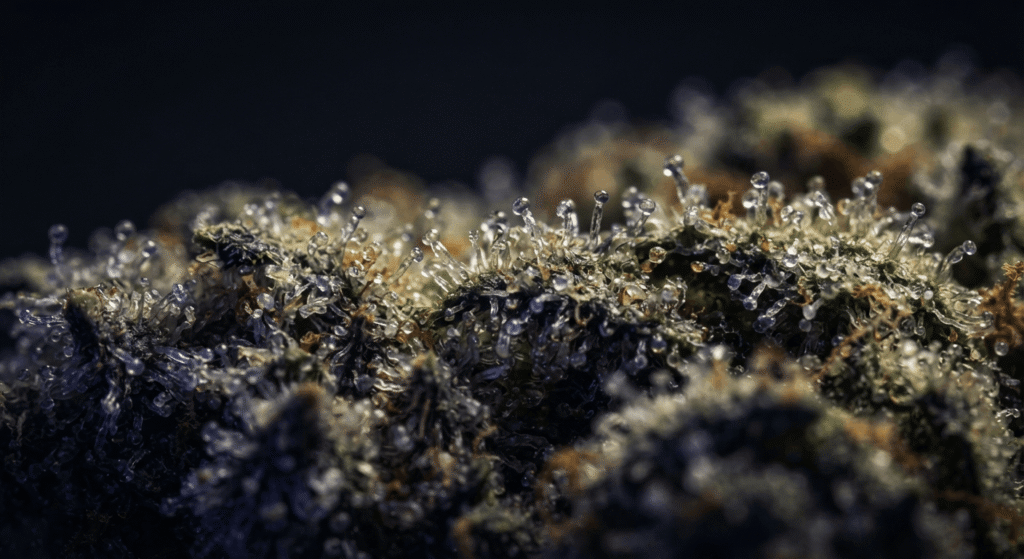
How Do Trichomes and Terpenes Like Limonene Shape the Sativa Aroma Profile?
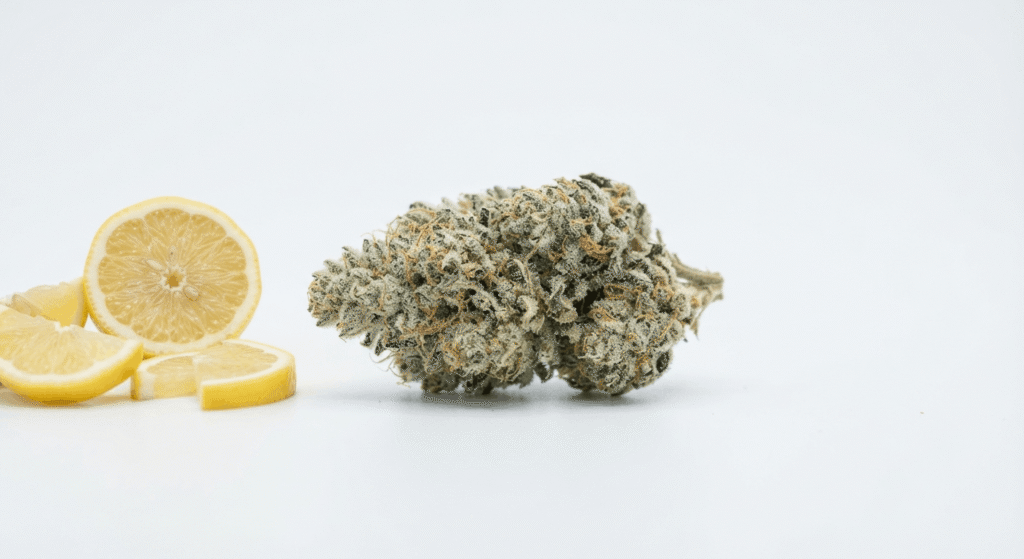
Limonene is the terpene most responsible for the bright, citrus aroma people associate with an uplifting sativa, and it does more than smell good. A 2024 clinical study found that vaporized D-limonene selectively reduced THC-induced anxiety in healthy adults without blunting the other effects of THC, likely through its action on adenosine A2A receptors that regulate dopamine and GABA activity in the brain.
That mechanism explains why high-limonene strains like Super Lemon Haze and Durban Poison get described as clearheaded and energizing rather than jittery. Limonene isn’t psychoactive on its own. It works alongside THCa and other cannabinoids in what’s often called the entourage effect, smoothing out the experience rather than driving it directly. You can read more about how these compounds interact in our breakdown of the entourage effect.
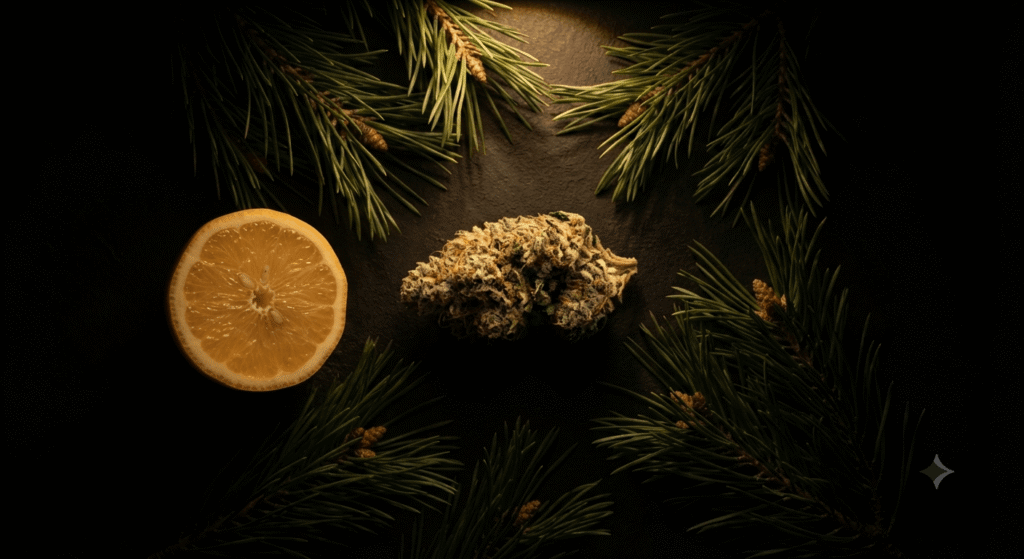
Pinene shows up frequently alongside limonene in sativa-leaning strains too, adding a sharp, pine-forward note and contributing its own alertness-supporting properties. Together, these terpenes shape the aroma profile long before the flower is ever lit. A strain with a heavy citrus and pine nose is a reasonable predictor of an energizing effect, even when the sativa or indica label on the jar can’t be trusted alone.
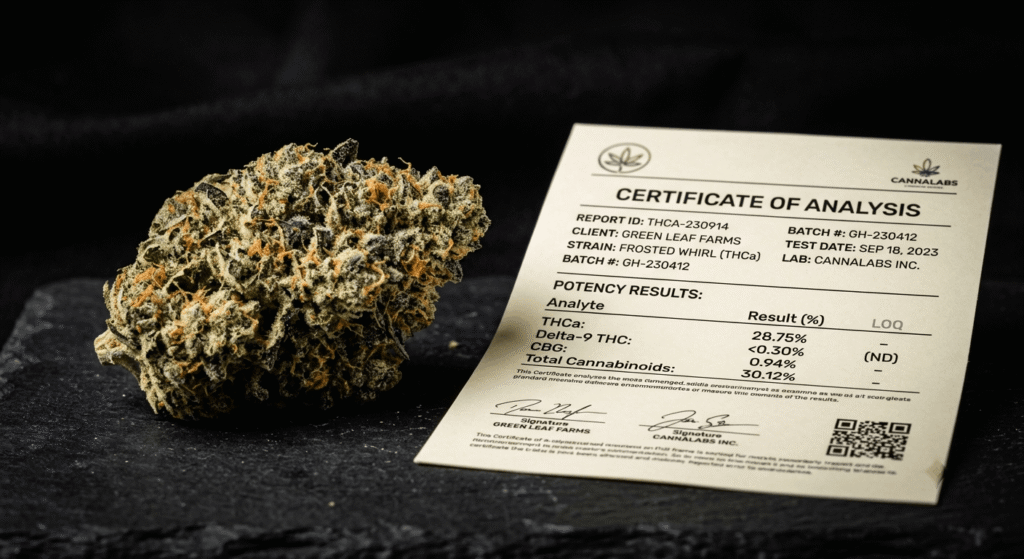
Hybrid strains complicate this further. A cross like Gelato blends indica and sativa genetics into a single plant, and its terpene-driven flavor profile shows why lab data on cannabinoids and terpenes now matters more than the strain family name. If you’re shopping specifically for daytime energy, checking a certificate of analysis for limonene and pinene percentages will tell you more than “sativa” printed on the label.
| Trait | Sativa-Leaning | Indica-Leaning | Hybrid |
|---|---|---|---|
| Plant Structure | Tall, narrow leaves | Short, broad leaves | Variable |
| Dominant Terpenes | Limonene, pinene | Myrcene, linalool | Mixed profile |
| Typical Reported Effect | Energizing, cerebral | Relaxing, sedating | Balanced |
| Flowering Time | Longer (8-12+ weeks) | Shorter | Moderate |
Growers looking for that classic uplifting profile often start with our light dep sativa flower, which preserves terpene content better than some outdoor-grown alternatives thanks to controlled light cycles and earlier, cleaner harvest windows.
One more factor worth knowing before you buy: the federal definition of hemp itself is shifting. As of November 12, 2026, hemp must test at or below 0.3 percent total THC, including THCA, rather than delta-9 THC alone, under changes Congress enacted in late 2025. That shift affects how high-THCa sativa flower gets tested and labeled nationwide, so buying from a source that publishes current lab results matters more than it did a year ago.
Frequently Asked Questions
1. Does sativa THCa flower get you more energized than indica?
Generally, yes, though it depends on the specific terpene and cannabinoid profile rather than the sativa label alone. Limonene- and pinene-heavy strains tend to produce a clearheaded, cerebral effect, while myrcene-dominant indica strains lean sedating. Always check the certificate of analysis for the actual terpene breakdown.
2. What is the difference between sativa, indica, and hybrid strains?
The differences come down to three factors:
- Plant structure: sativas grow tall with narrow leaves, indicas stay short and bushy
- Terpene profile: sativas favor limonene and pinene, indicas favor myrcene and linalool
- Genetics: hybrids blend both, so lab data matters more than the label
3. How can you tell if hemp flower is high-quality sativa?
Dense, frosty trichome coverage, a sharp citrus or pine aroma, and a recent lab test showing limonene or pinene as dominant terpenes are the strongest indicators. A musty smell or sparse trichomes signals poor cure or early harvest, regardless of what the strain is called.
4. Can sativa strains cause anxiety or paranoia?
At higher THC doses, yes. Modern sativa strains often run 15 to 30 percent THCa, and potency this high raises the odds of a racing heart or anxious thoughts in sensitive users. Limonene-rich strains tend to soften this effect, since the terpene selectively reduces THC-induced anxiety without dulling the uplifting high.
5. Are sativa and indica really different plants genetically?
Not as reliably as the labels suggest. Researchers at Dalhousie University and the University of Colorado, Boulder found no consistent chemical or genetic split between cannabis labeled sativa versus indica. Decades of hybrid breeding blurred the original lines, so lab-tested terpene and cannabinoid data predicts effects far better than the strain name alone.
Conclusion
What makes a sativa isn’t one single trait. It’s plant structure, trichome density, and a terpene profile built around limonene and pinene working together, since genetics alone can no longer predict effects the way the label suggests. When you’re shopping for that uplifting, daytime feel, checking lab results on aroma and cannabinoid content will serve you better than the sativa name on the jar. Browse our indoor-grown flower selection for lab-tested, trichome-rich strains bred for exactly that effect.