Quick Answer Box: Terpenes are aromatic plant hydrocarbons that shape the scent and flavor of herbs, fruits, and flowers. Terpenes play crucial roles in nature, aromatherapy, food, cosmetics, and medicine. Learning terpene basics helps you identify plant aromas, select products, and explore the many potential terpene benefits in daily life.
What Are Terpenes?
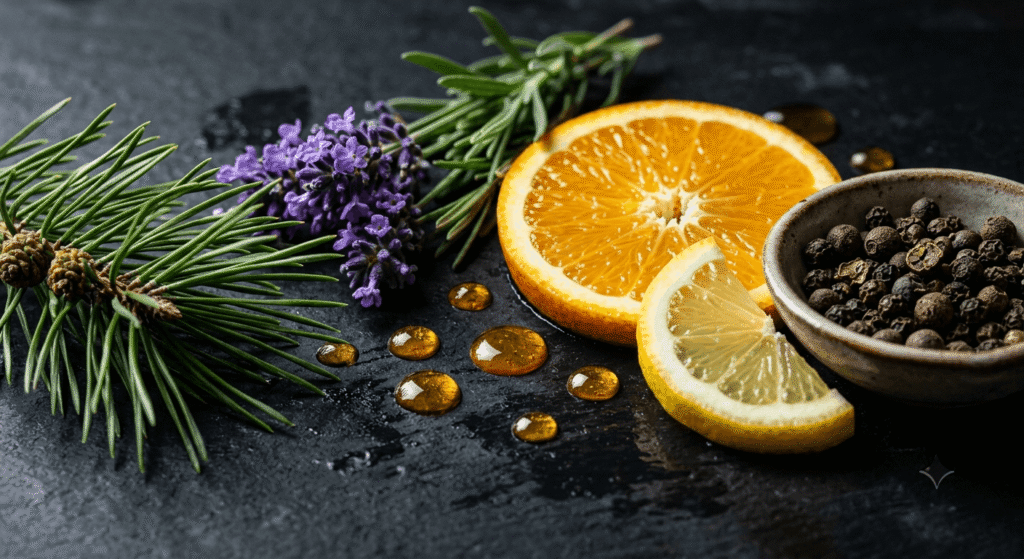
Terpenes are a vast family of unsaturated hydrocarbons with the formula (C5H8)n, naturally produced by many plants. These organic compounds are responsible for the distinct aromas and flavors of herbs, citrus, pines, and even cannabis. The fresh scent of pine, the zest of citrus peel, or soothing lavender all highlight terpenes at work. At their core, terpenes are nature’s aromatic building blocks utilized far beyond fragrance.
Terpenes meaning extends beyond pleasant smells: they act as secondary metabolites in plants, influence ecological systems, and have practical value in consumer and medical products. Mastering terpene basics reveals how these compounds shape your experience of plant aromas, flavors, and wellness products.
What Is Terpene Chemistry and Why Does It Matter?
Terpene chemistry centers on isoprene units five-carbon molecules (C5H8) that link in chains or rings. The number of these units defines the main categories:
- Monoterpenes: Two isoprene units (C10H16), such as limonene and pinene
- Sesquiterpenes: Three units (C15H24), including caryophyllene
- Diterpenes: Four units (C20H32), common in plant resins
- Triterpenes and Tetraterpenes: Larger molecules, like squalene and carotenoids
Terpenes are pure hydrocarbons, while terpenoids are similar molecules modified by oxygen or other atoms. This difference underlies a broad spectrum of terpene chemistry and biological effects. Many everyday products from perfumes and essential oils to cleaning supplies—rely on this structural variety within terpene basics.
Why Is Understanding Terpene Chemistry Important?
Knowing how terpenes are structured can help consumers and formulators predict their volatility, solubility, and possible biological activity. For instance, monoterpenes usually carry the brightest aromas but evaporate quickly, while sesquiterpenes tend to be longer-lasting and richer in scent. This is one reason why certain essential oils preserve their fragrance longer than others.
Where Do Terpenes Come From?
Terpenes from plants are synthesized across the botanical world. Citrus, pine, rosemary, lavender, and cannabis exemplify terpene-rich species, but thousands of other crops are abundant sources. In nature, terpenes serve vital ecological functions:
- Defending against pests, fungi, and diseases
- Attracting pollinators such as bees and butterflies
- Enabling plant-to-plant communication and signaling
- Shielding from environmental stressors like UV rays
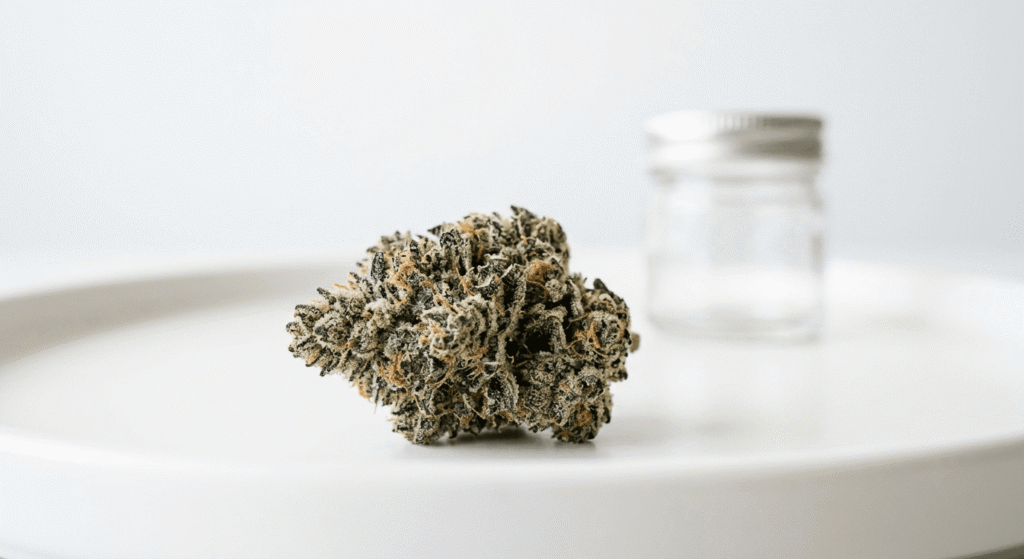
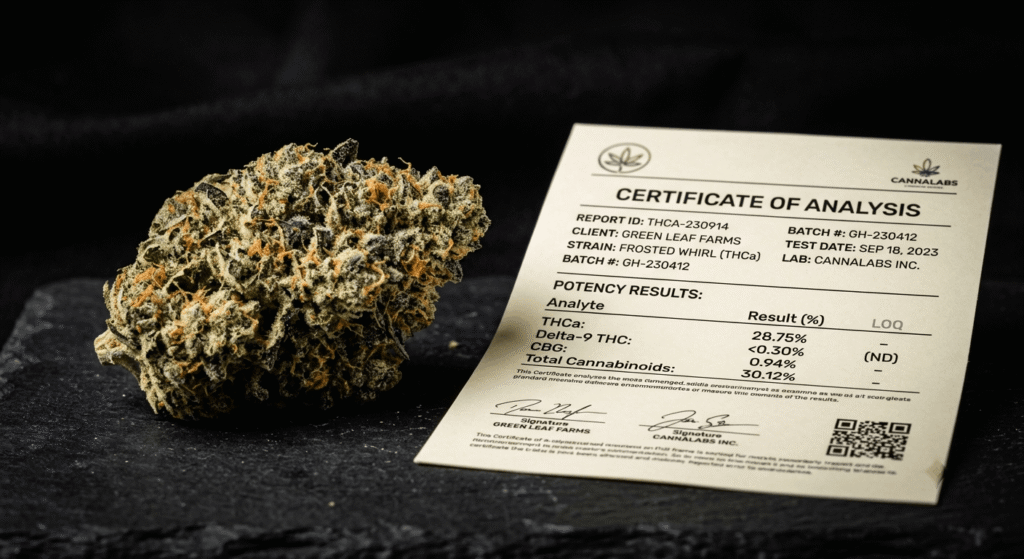
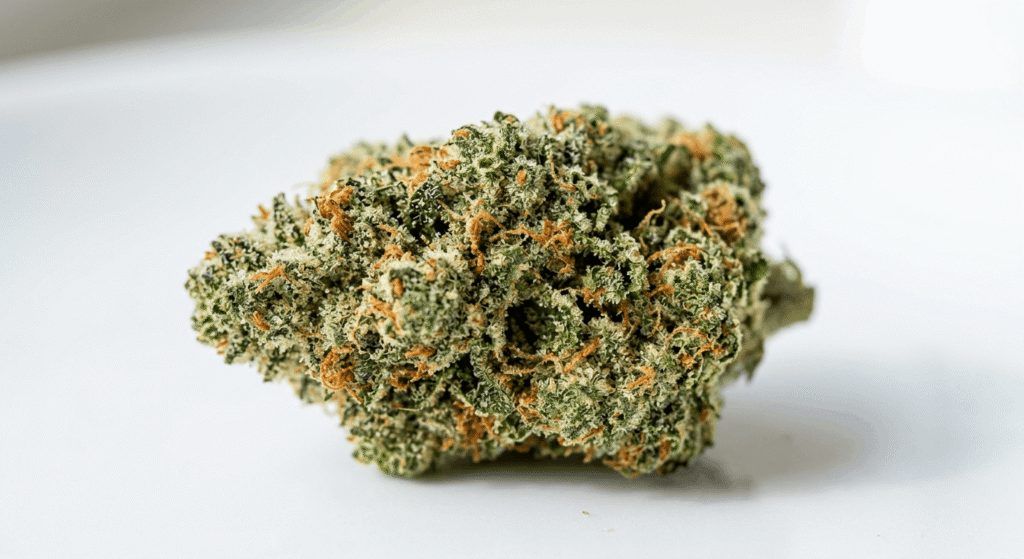
A conifer’s sticky resin protects wounds thanks to terpenes. Cannabis plants create dozens of unique terpenes in the trichomes beside cannabinoids, resulting in immense aroma diversity over 140 terpene types identified in cannabis. Other plants, including mint, basil, and thyme, have robust terpene profiles as well. If you’re curious about which terpenes are in your daily products, review the Lab Results or check for a Certificate of Analysis from reliable companies.
What Are the Most Common Types of Terpenes and Their Aromas?
Many types of terpenes exist, but several are especially prevalent and easy to recognize:
- Myrcene: Earthy and musky found in mango, thyme, and cannabis
- Limonene: Bright, citrusy common in oranges, lemons, limes
- Pinene: Crisp, piney present in pine needles and rosemary
- Linalool: Floral and soothing signature to lavender and mint
- Caryophyllene: Spicy and peppery mainly in black pepper, cloves, cinnamon
- Others: Humulene, terpinolene, and ocimene often in herbs and spices
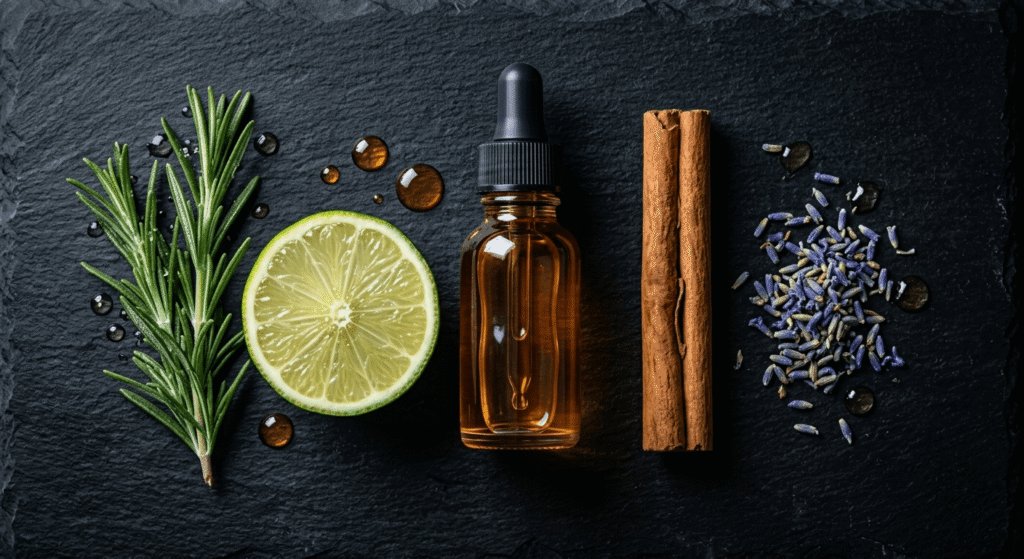
Each terpene works with others to generate the complex aromas of essential oils, perfumes, and plant-based products. For example, myrcene provides sweet, earthy undertones in cannabis, while pinene delivers pine’s signature freshness. University of Arizona Health Sciences, via clinical research, highlights the synergistic nature of terpenes and their profound impact on plant aromas.
Terpene Benefits
The remarkable range of terpene benefits extends well beyond scent:
- Aromatherapy: Terpenes are major contributors to essential oils’ reputed relaxing, energizing, or uplifting effects.
- Food and Beverages: They deliver flavors and aromas, served as natural flavor additives.
- Cosmetics and Personal Care: Terpenes lend natural fragrances and offer skin-soothing or balancing effects, as seen in lotions, shampoos, and perfumes.
- Pharmaceutical Uses: Some drugs, such as taxol (a chemotherapy agent), are derived from plant diterpenes.
- Eco-Conscious Cleaning: Terpenes like d-limonene are used in biodegradable cleaning agents due to low toxicity.
Recent scientific reviews see PubMed Central describe potential properties such as anti-inflammatory, antioxidant, and neuroprotective actions. Still, most research is preclinical, and large-scale human studies are limited.
Aromatherapy with Terpenes
Aromatherapy taps into terpenes’ volatility and distinctive effects. Linalool is favored for relaxation, while limonene may have mood-lifting properties. When choosing products, consider a company’s About and Shop pages for full spectrum or “True to Plant®” terpene offerings, as recommended by trusted brands like True Terpenes and Entour.
How Can You Identify and Use Terpenes in Everyday Products?
Recognizing and utilizing terpenes is increasingly accessible. Here’s how to approach it:
- Read Product Information: Seek out known terpene profiles on product labels and wellness goods.
- Sense Aromas Deliberately: Identify citrus, pine, floral, or herbal notes—most monoterpenes are evident via scent.
- Check Reports: Reputable sellers provide third-party lab verification—find these on the Lab Results or within product COAs.
- Match Purpose to Terpenes: Select relaxing terpenes, like linalool, for calm or limonene for a lift.
- Use With Care: Respect dilution guidelines for essential oils, and avoid direct skin contact with concentrated terpenes.
- Explore Reliable Resources: Learn more on the Blogs section for tips on safe and effective terpene use.
Terpenes vs. Terpenoids: Key Differences
| Characteristic | Terpenes | Terpenoids |
|---|---|---|
| Structure | Pure hydrocarbons (C & H only) | Modified, include oxygen |
| Source | Made by plants | Formed by oxidation or aging |
| Examples | Limonene, Myrcene, Pinene | Linalool, Menthol, Taxol |
| Uses | Aromas, flavors | Enhanced medicinal activity |
| Volatility | Usually more volatile | Often less volatile |

FAQs
1. What is the difference between terpenes and terpenoids?
Terpenes are hydrocarbons made up solely of carbon and hydrogen, built from isoprene units within plants. Terpenoids are modified terpenes containing oxygen, which leads to different scents and uses in plant biology, medicine, and industry.
2. How do terpenes affect human health?
Many terpenes show anti-inflammatory, antioxidant, or antimicrobial properties in lab research. Human studies are ongoing, and most benefits have not yet been confirmed in large clinical trials, so approach product claims thoughtfully.
3. Which common plants contain the most terpenes?
Significant plant sources include:
- Cannabis (over 140 terpene types recognized)
- Pine trees (rich in pinene)
- Citrus fruits (notably limonene)
- Lavender (abundant in linalool)
Herbs like rosemary, mint, and thyme are also well-known for their diverse terpene content.
4. Are terpenes safe to consume or use?
Generally, terpenes found in foods and essential oils are recognized as safe when used as directed. However, concentrated terpenes can cause irritation or adverse effects if ingested or applied directly to the skin without proper dilution. Always follow product guidelines and consult a healthcare professional if unsure.
5. How can I choose trustworthy terpene-rich products?
Look for product transparency by purchasing from reputable sources that provide third-party lab results, such as Lab Results. Check company About pages, read customer reviews on the Shop page, and explore educational content on the Blogs. Contact companies directly via their Contact form for further questions about sourcing and product safety.
Conclusion
Terpenes are everywhere from fresh herbs in your kitchen to essential oils and wellness products on the shelf. Understanding terpene basics empowers you to appreciate plant aromas, inform your choices in aromatherapy or cosmetics, and assess potential terpene benefits with confidence. By learning about terpenes meaning and chemistry, and by checking reputable sources such as Lab Results and Shop, you can select reliable, satisfying products that align with your wellness and lifestyle needs.