Quick Answer Box: THCa rosin is a solventless concentrate made with heat and pressure, preserving natural terpenes and cannabinoids for a full-spectrum experience. THCa distillate is a solvent-extracted, highly refined oil reaching up to 99% purity with minimal flavor. Your choice depends on whether you prioritize purity of process or purity of potency.
What Is THCa Rosin vs Distillate?
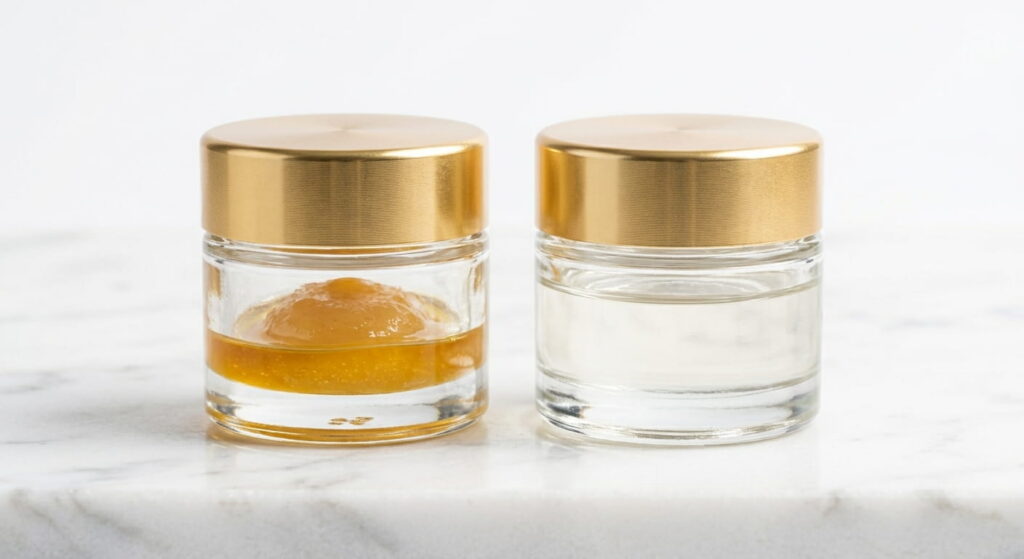
THCa rosin and distillate are both premium concentrates derived from high-THCa hemp flower, but they sit at opposite ends of the extraction spectrum. Rosin uses only heat and pressure no chemical solvents to squeeze cannabinoid rich oil from flower, hash, or kief. Distillate is produced through multi-step solvent-based extraction and molecular distillation, stripping the plant down to an ultra-refined, near-pure THCa oil.
TL;DR
- THCa rosin is solventless, preserving terpenes and minor cannabinoids for a full-spectrum, flavor-forward experience
- THCa distillate uses ethanol or CO2 extraction, reaching up to 99% THCa purity with almost no natural flavor
- Rosin potency typically ranges 60-80% THCa; distillate commonly tests at 85-99%
- Both require purity testing and a certificate of analysis (COA) from a licensed third-party lab
- Neither method is universally “better” the right pick depends on how you consume and what you value
How Is THCa Rosin Made?
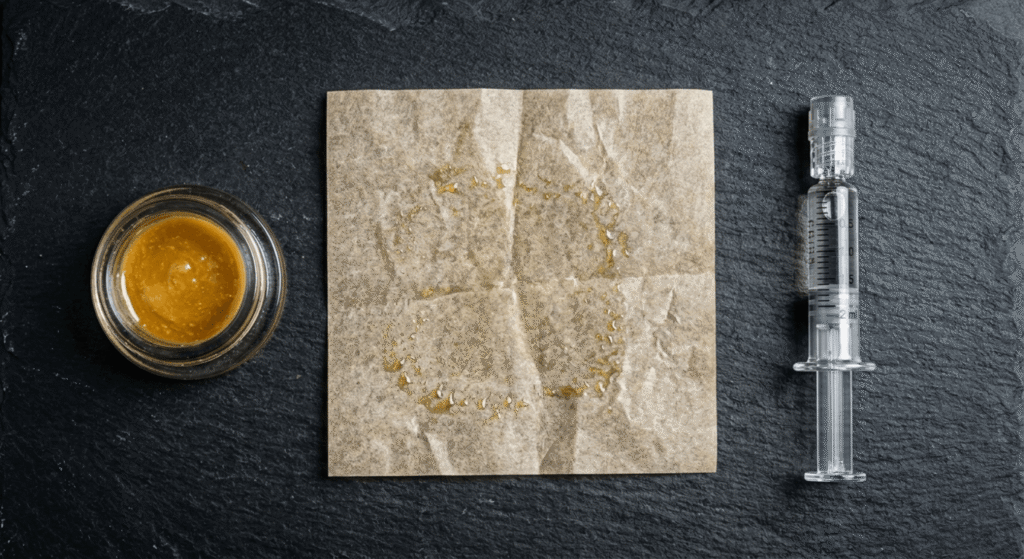
Solventless extraction is exactly what it sounds like: zero chemical solvents touch the plant at any point. To make rosin, producers apply heat and mechanical pressure to flower, dry-sift hash, or bubble hash. The oil that squeezes out retains the full array of cannabinoids and terpenes that were present in the original plant material.
The highest-quality version is hash rosin, where flower is first processed into ice water hash also called bubble hash before being pressed. That extra step concentrates the trichome heads, resulting in a cleaner, more potent starting material. Because the only inputs are temperature, pressure, and time, solventless hash oil is widely considered the purest form of concentrate production.
Why Solventless Matters for Purity
No solvents means no residual solvent risk. This is a real distinction when evaluating concentrates. With hydrocarbon or ethanol extraction, processors must thoroughly purge the product and test to confirm residual solvents fall within acceptable limits. With rosin, that concern doesn’t exist. What comes off the press is what you consume.
How Is THCa Distillate Made?
Distillate starts with raw hemp flower that is processed using solvents most commonly ethanol, though CO2 and hydrocarbons are also used. Ethanol extraction pulls cannabinoids and terpenes from the plant matter in bulk. The crude oil that results tests at roughly 50-70% total cannabinoids and still contains waxes, lipids, and chlorophyll.
From there, winterization chills the crude extract to precipitate those fats and waxes so they can be filtered out. Rotary evaporation removes the residual ethanol. The clean oil then enters a short-path or molecular distillation system, which uses heat and vacuum pressure to isolate THCa from all remaining plant compounds. The finished distillate can reach up to 99% THCa purity. It’s clear, nearly odorless, and virtually flavorless unless terpenes are added back after processing.
What Gets Removed During Distillation
The same refining steps that boost potency also strip out minor cannabinoids, natural terpenes, and other plant compounds. For consumers who want a one-dimensional, high-potency product with no botanical taste, that’s a feature. For those who want a true-to-strain experience, it’s a trade-off worth understanding before you buy.
Potency and the Entourage Effect: What Do the Numbers Actually Mean?
Distillate is the potency leader on paper. It regularly tests between 85% and 99% THCa, making it one of the most concentrated forms of any cannabinoid available. Rosin typically lands in the 60-80% range, though premium hash rosin from strong genetics can push past 80%.
Raw THCa numbers only tell part of the story. Full-spectrum extracts like rosin preserve the minor cannabinoids and terpenes that interact with THCa in what researchers call the entourage effect. That synergy often produces an experience that feels more nuanced than the THCa percentage alone suggests. Distillate isolates the cannabinoid, which delivers focused, powerful effects but many users describe the experience as more one-dimensional compared to solventless options.
One thing to watch: products claiming rosin with THCa percentages above 85% frequently contain added distillate to boost the number. If you’re paying for pure solventless hash oil, the COA should reflect a terpene-rich, full-spectrum profile, not just a high potency figure.
THCa Rosin vs Distillate
| Feature | THCa Rosin | THCa Distillate |
|---|---|---|
| Extraction method | Solventless (heat + pressure) | Solvent-based (ethanol, CO2, hydrocarbons) |
| THCa potency range | 60-80% | 85-99% |
| Terpene preservation | High — full natural profile | Very low — stripped during distillation |
| Flavor/aroma | Rich, strain-specific | Minimal unless terpenes re-added |
| Residual solvent risk | None | Must be tested and verified |
| Entourage effect | Full-spectrum | Limited |
| Price point | Higher (labor-intensive, small batch) | Lower (scalable production) |
| Best use case | Dabbing, premium vapes | Mixing, edibles, precision dosing |
How to Read a COA for THCa Concentrates
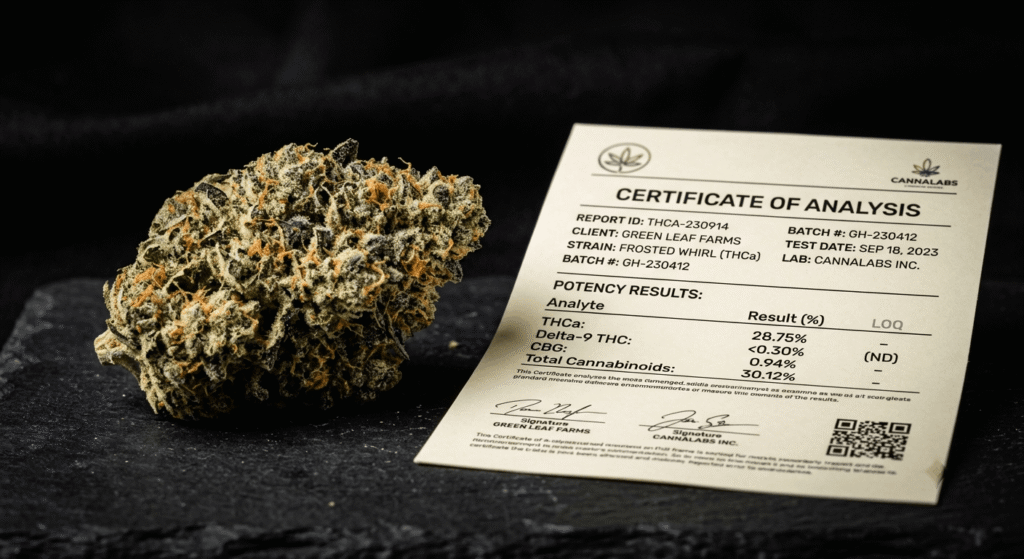
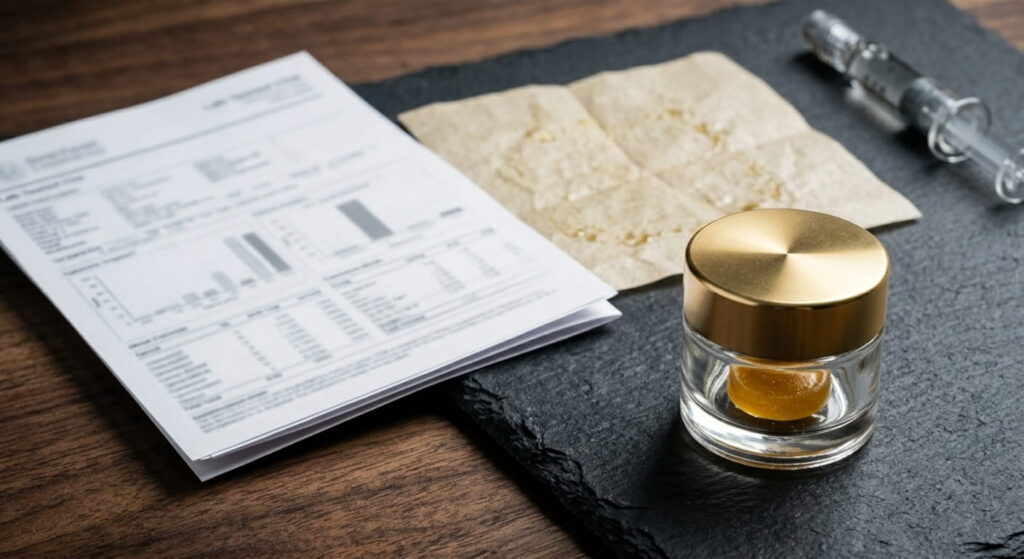
Purity testing is non-negotiable for both product types. A certificate of analysis from a licensed third-party lab should confirm several things before you purchase any THCa extract.
For distillate, verify that residual solvent levels fall within safe limits. Ethanol-extracted products must test below FDA and ASTM guidelines for residual solvents reputable brands post this data openly. Also confirm the THCa number is accurate and that Delta-9 THC content remains at or below 0.3% on a dry-weight basis, as required under the 2018 Farm Bill.
For rosin, a clean COA will show a robust terpene profile alongside cannabinoid percentages. Absence of terpene data on a rosin COA is a red flag it often signals distillate blending. For either product, check for heavy metal and pesticide testing results. If a brand doesn’t publish full lab results, find one that does. Co Exotics posts lab results for every product in the catalog.
Which THCa Extract Is Right for You?
The honest answer depends on what you value most in a concentrate. Neither is objectively superior they solve different problems.
- Choose THCa rosin if:
You want to taste the strain you’re consuming, care about knowing no chemical solvents touched your product, prefer a full-spectrum experience with minor cannabinoids intact, or you’re a concentrate enthusiast who appreciates the craft behind small-batch solventless production. Browse the rosin category at Co Exotics for current options. - Choose THCa distillate if:
You want maximum potency in a consistent, versatile format, plan to use the concentrate for mixing or precision dosing, or prefer minimal flavor in your product. Check the distillate collection for available inventory.
If you’re still exploring, the full concentrates category includes badder, crumble, live resin, hash, sugar, and rosin — each made with a different extraction philosophy.
Frequently Asked Questions
1. Is THCa rosin stronger than distillate?
Not in raw potency. Distillate tests at 85-99% THCa while rosin typically ranges 60-80%. However, rosin’s preserved terpenes and minor cannabinoids produce a full-spectrum experience many users describe as more complete than the potency number suggests.
2. Does THCa distillate contain residual solvents?
A properly manufactured and tested distillate will have residual solvent levels within safe limits. Always check the certificate of analysis for residual solvent test results before purchasing. Brands that don’t publish this data should be avoided.
3. What is solventless hash oil?
Solventless hash oil (SHO) refers to concentrates produced without chemical solvents. Rosin is the most common form. The extraction relies entirely on heat and mechanical pressure, preserving the plant’s natural cannabinoid and terpene profile without introducing any chemical inputs.
4. Can THCa distillate be used in vapes?
Yes. Distillate is one of the most common bases for vape cartridges because its thick, consistent oil viscosity works well in hardware. Terpenes are often reintroduced after distillation to add flavor and adjust viscosity for vape use.
5. Is THCa rosin legal under the 2018 Farm Bill?
THCa hemp rosin derived from compliant hemp meaning the source flower tested at or below 0.3% Delta-9 THC on a dry-weight basis is federally legal under the 2018 Farm Bill. Always verify that the product comes with a COA confirming compliant cannabinoid levels. Note that federal hemp regulations are subject to change.
6. What extraction method produces the best-tasting concentrate?
Solventless extraction, particularly hash rosin from high-quality starting material, consistently produces the richest flavor because natural terpenes are never exposed to chemical solvents that can degrade aromatic compounds.
7. How do I know if my rosin has added distillate?
Check the COA for terpene content. Pure rosin will show a full terpene profile alongside cannabinoids. A rosin with unusually high THCa above 85% and minimal terpene data is likely blended with distillate. Reputable brands will disclose their extraction process clearly.
Conclusion
THCa rosin vs distillate comes down to your priorities. Rosin’s solventless extraction keeps the plant’s natural terpenes and minor cannabinoids intact, delivering a full-spectrum experience with rich flavor. Distillate sacrifices that complexity in exchange for unmatched potency and consistency, making it ideal for high-precision use. Both are legitimate premium concentrates — the right one depends on whether you’re chasing flavor and purity of process or maximum THCa concentration. Whatever you choose, always verify with a full COA before you buy.