Quick Answer Box: THCa hash is a solventless cannabis concentrate made by separating and compressing trichomes from the hemp plant. It contains high levels of tetrahydrocannabinolic acid, which is non-psychoactive in raw form but converts to Delta-9 THC when heat is applied. Modern THCa hash ranges from 52% to 87% THCa depending on the production method.
What Is THCa Hash?
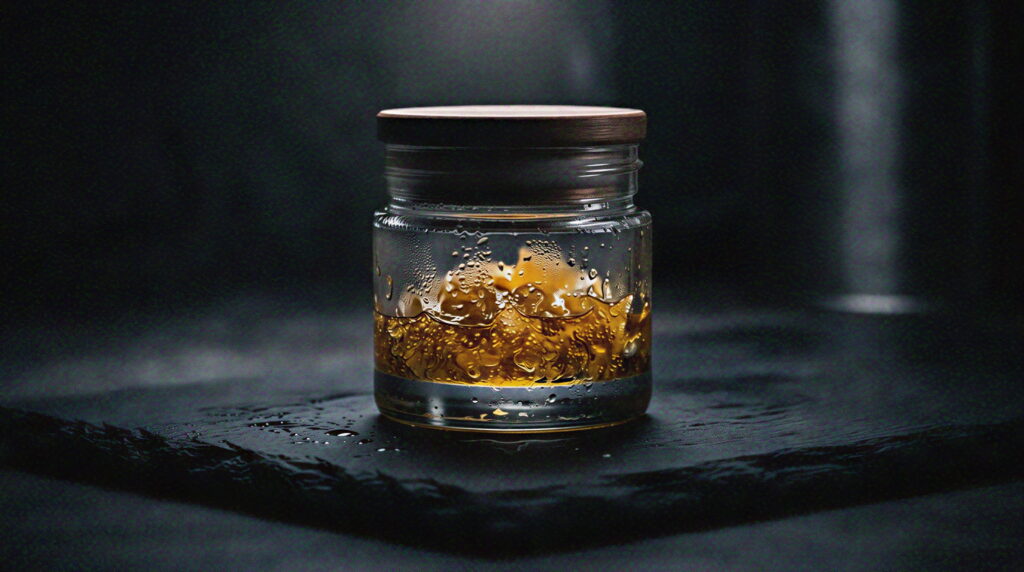
THCa hash is a concentrated form of hemp-derived resin produced by collecting and compressing the trichomes from the cannabis plant. Trichomes are the tiny, crystal-like structures on the flower that contain the plant’s cannabinoids and terpenes. The result is a dense, potent product that carries tetrahydrocannabinolic acid at far higher concentrations than raw THCa flower, typically between 52% and 87% THCa depending on the production method.
A Short History of Traditional Cannabis Preparations
Hash is among the oldest cannabis products on earth. Historians trace its origins to Central Asia and Persia, where it was used for ceremonial, medicinal, and social purposes long before modern extraction existed. Afghanistan’s Hindu Kush mountain range became the cradle of dry-sift hash production, with farmers in provinces like Balkh and Mazar-i-Sharif developing techniques passed down across generations. The Nepalese tradition produced temple balls hand-rolled spheres of pressed resin prized for their full terpene retention and slow burn.
India introduced charas, made by rubbing live flowering plants directly between the palms to collect fresh resin, a technique distinct from sieving dried material. Morocco’s Rif Mountains adopted dry-sieve methods in the 20th century, quickly becoming one of the world’s top exporters and defining the pale-gold, crumbly “soap bar” style familiar to European markets.
These regional traditions laid the chemical and cultural foundation for every type of THCa hash sold in the US market today.
What Types of THCa Hash Are There?
Not all THCa hash is made the same way. The production method directly determines the potency, terpene profile, and texture of the final product.
Dry-sift hash (kief) is the most traditional form. Dried flower is passed over fine mesh screens to separate trichome heads from plant material. The resulting powder, called kief, is pressed into bricks or pucks. THCa potency typically falls between 40% and 60% depending on screen quality and starting material.
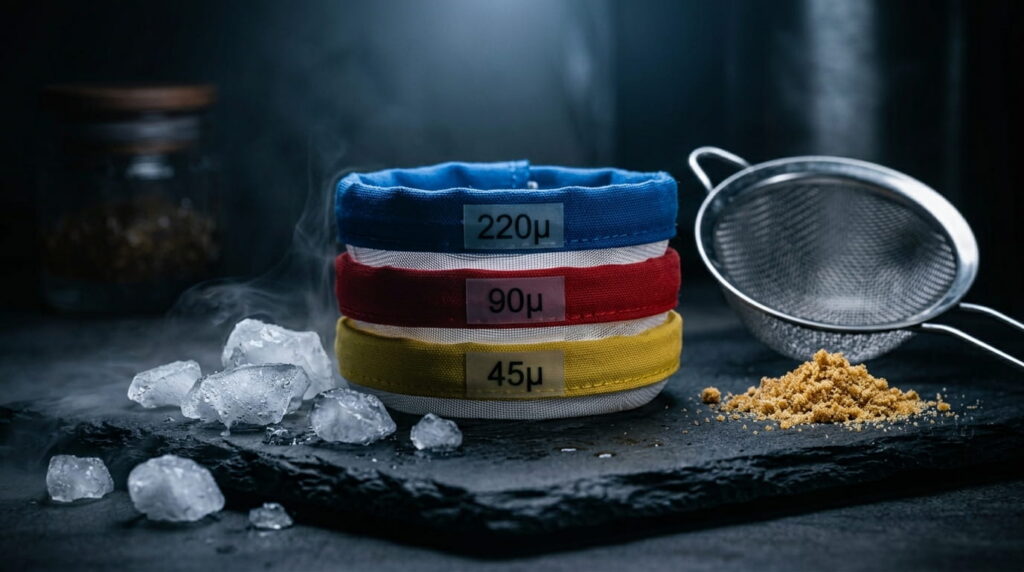
Ice water hash (bubble hash) is the current gold standard for solventless concentrate production. Fresh or dried flower is submerged in ice water and agitated, which causes trichomes to break off and sink. The collected resin is then filtered through a series of micron bags, dried, and pressed. Because no heat or chemical solvents are used at any point, ice water hash retains a richer terpene profile than most other methods. Standard bubble hash runs 60–70% THCa; premium small-batch runs can reach 80%+.
Hash rosin takes ice water hash one step further. The wet hash is dried fully, then pressed between heated plates under controlled pressure, squeezing out a solventless oil. This step concentrates cannabinoids and terpenes further, producing some of the highest-purity THCa products on the market.
Temple balls are an artisanal form rooted in Nepalese tradition. Ice water hash is hand-rolled into dense spheres, a process that takes hours and produces a product with a glossy, sealed exterior that protects the terpene-rich interior.
Moroccan-style hash uses a dry-sieve extraction followed by low-heat pressing into flat bricks. It has a more accessible texture crumbly and easy to break which makes it the most approachable option for consumers transitioning from flower.
| Hash Type | Method | THCa Potency | Texture | Best For |
|---|---|---|---|---|
| Dry-sift / Kief | Screen sieve | 40–60% | Powdery / pressed | Traditional experience |
| Bubble (Ice Water) Hash | Cold water + agitation | 60–80%+ | Sandy to sticky | Dabbing, vaporizing |
| Hash Rosin | Pressed bubble hash | 70–85%+ | Oily / budder | Connoisseur dabbing |
| Temple Ball | Hand-rolled ice water hash | 65–75% | Dense, glossy | Slow burn, full-spectrum |
| Moroccan-Style | Dry sieve + heat press | 50–60% | Crumbly | Pipe, joint, starter choice |
How Is Ice Water Hash Produced?
Ice water extraction is the benchmark modern method for premium THCa hash potency, and the steps explain why.
- Start with fresh-frozen or well-dried THCa flower and combine it with ice-cold water in an agitation vessel.
- Agitate the mixture for a controlled period trichome heads are brittle at cold temperatures and break away cleanly from the plant.
- Pour the slurry through a series of bubble bags with progressively finer micron screens, typically 220, 160, 120, 90, 73, and 45 microns. Each screen captures different trichome sizes.
- Collect the resin from each bag separately. The 90–120 micron range typically yields the cleanest, most potent fraction.
- Freeze-dry or air-dry the collected hash at low temperature to prevent moisture buildup and mold. Skipping proper drying is the most common quality failure in small-batch production.
- Press the dried hash with low heat and pressure into a final form, or sell it loose as “full-melt” grade.
Triple-washing the flower, as some premium producers do, removes more residual plant material and noticeably improves the clarity and flavor of the finished product.
Is THCa Hash Legal in the United States?
THCa hash is currently legal at the federal level under the 2018 Farm Bill, which defined hemp as cannabis containing no more than 0.3% Delta-9 THC by dry weight. Because THCa is chemically distinct from Delta-9 THC before heat is applied, high-THCa hemp products have qualified as legal hemp under that standard since 2018.
That status is in transition. On November 12, 2025, President Trump signed P.L. 119-37 into law. Section 781 of that act redefines hemp using a “total THC” standard that counts THCa toward the 0.3% threshold after decarboxylation. The new rule takes effect November 12, 2026. Until that date, compliant THCa hash products remain federally legal.
State law varies. Ohio enacted a categorical ban on intoxicating hemp products in December 2025. Several other states have introduced similar legislation. Always check your state’s current hemp regulations before purchasing.
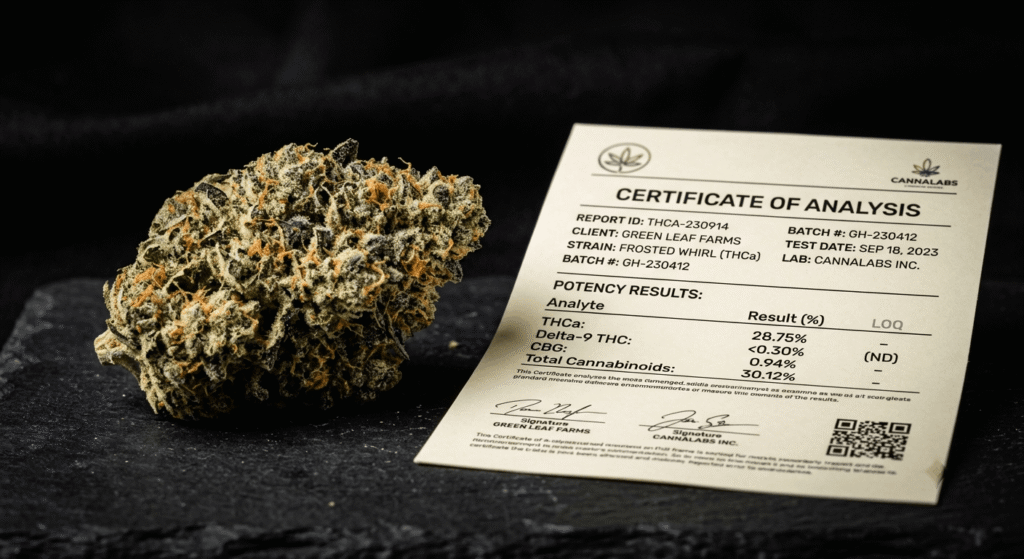
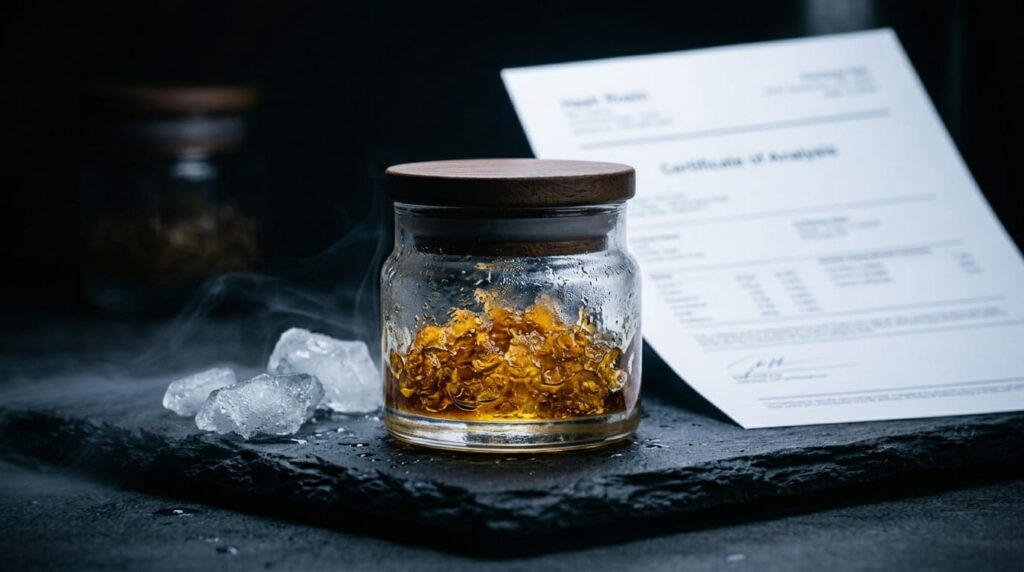
For buyers, the practical compliance checkpoint right now is the Certificate of Analysis (COA). Every batch of premium THCa hash should come with a full-panel COA from a DEA-registered, third-party lab confirming Delta-9 THC at or below 0.3% by dry weight, terpene levels, and the absence of pesticides, heavy metals, and residual solvents.
Frequently Asked Questions
1. What makes THCa hash different from regular hash?
Traditional hash is made from cannabis that has already undergone some natural decarboxylation, meaning it contains a mix of THC and THCa. THCa hash is produced specifically from hemp-derived flower kept in its raw, unheated state, so it legally qualifies as hemp under the 2018 Farm Bill. The cannabinoid profile converts to Delta-9 THC only when heat is applied during consumption.
2. How potent is THCa hash compared to THCa flower?
3. Does the production method affect terpene preservation?
Yes, it’s one of the most important variables. Solventless methods like ice water extraction and cold-press rosin retain far more terpenes than hydrocarbon-based extractions because no chemical solvents strip the volatile aromatic compounds. Dry-sift methods fall somewhere in the middle: the mechanical separation preserves terpenes better than solvent extraction, but not quite as well as fresh-frozen ice water hash.
Conclusion
THCa hash connects a thousand-year tradition of trichome concentration to one of today’s fastest-growing hemp product categories. From hand-rubbed charas in the Hindu Kush to freeze-dried bubble hash from small-batch American producers, the core principle stays the same: isolate the resin, preserve the terpenes, and deliver a product that’s cleaner and more potent than flower alone. With federal law shifting in November 2026, this is a good moment to understand exactly what’s in your THCa hash, how it was made, and what compliance standards apply. Look for batch-specific COAs, prioritize solventless THCa concentrates with verified Delta-9 levels, and explore our THCa flower collection to see how the starting material affects the final product.