Quick Answer Box: Cannabis flavonoids are plant compounds that make up about 10% of the chemical profile in cannabis, shaping its color, flavor, aroma, and potential health benefits. Unlike cannabinoids or terpenes, cannabis flavonoids add unique pigments and wellness effects, making each strain distinct.
What Are Cannabis Flavonoids?
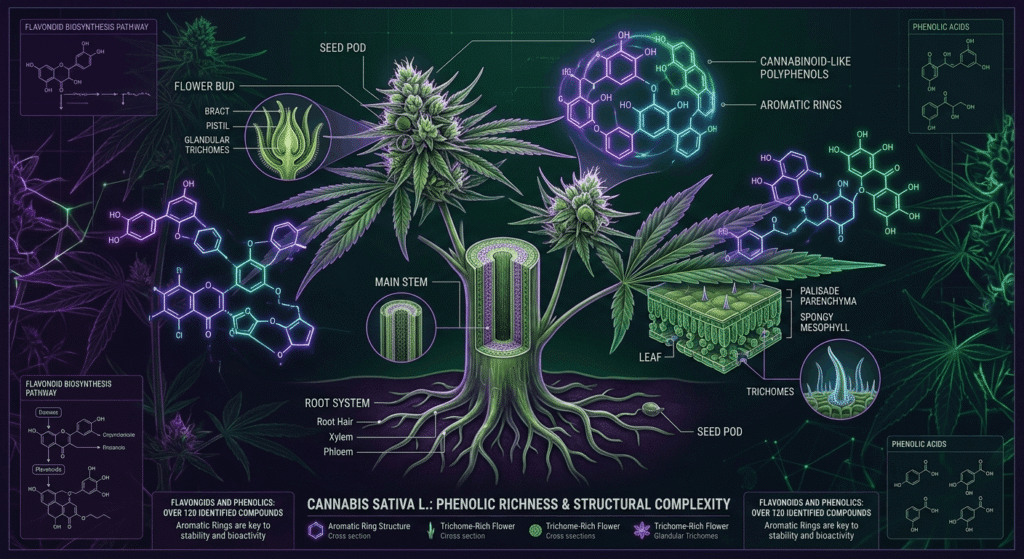
Cannabis flavonoids are naturally occurring polyphenolic compounds that account for approximately 10% of the plant’s chemical profile. While flavonoids exist in many plants, cannabis flavonoids include a rare subset cannaflavins unique to this species. These molecules influence color, flavor, and may provide health-related effects, giving each strain of cannabis and hemp its unique appeal.
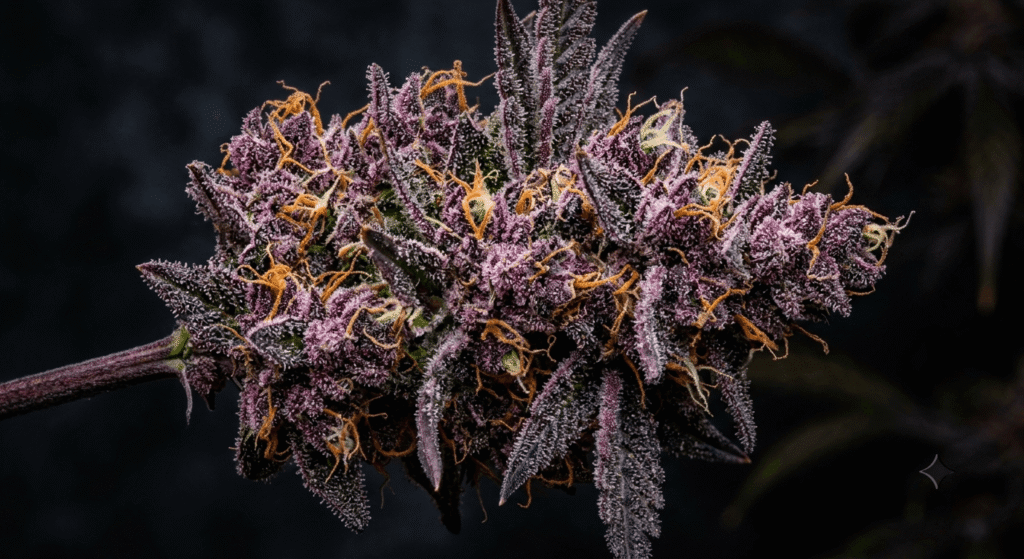
Flavonoids act as natural colorants, providing non-green pigmentation such as the reds, purples, and blues in certain strains. Many common fruits and vegetables including blueberries and citrus contain flavonoids, but cannabis features its own set that shapes much of its visual and sensory appeal.
How Do Cannabis Flavonoids Work in the Plant?
Cannabis flavonoids are produced by the plant through specialized biochemical pathways. Their polyphenolic structure consists of aromatic rings and carbon bridges, but cannabis stands out for types such as cannaflavins and flavoalkaloids. These compounds have been the subject of recent research, such as the 2025 findings at Stellenbosch University, which identified flavoalkaloids and increased the known variety of phenolic compounds in cannabis to 79 by 2026.
Unique Features of Hemp Flavonoids
Hemp flavonoids closely mirror those found in cannabis, with cannaflavins and anthocyanins being especially significant. Full-spectrum hemp products considered superior to isolates retain more of these compounds, offering a broader potential for flavor, aroma, and wellness benefits.
While many plants share flavonoids like quercetin and luteolin, the cannaflavins A, B, and C are exclusive to the cannabis family and are known for their anti-inflammatory effects not seen in other species. This distinctiveness makes them a focus for ongoing phytochemical and medical research.
What Types of Flavonoids Are in Cannabis and Hemp?
Cannabis and hemp feature a diverse range of flavonoids. Key types include:
- Cannaflavins A, B, and C: Unique to cannabis, these have demonstrated anti-inflammatory effects in laboratory settings, with some evidence suggesting potencies up to 30 times greater than aspirin (based on in vitro research).
- Anthocyanins: These molecules provide red, purple, and blue hues and are visual indicators of both colorant and chemical diversity.
- Quercetin: Present in both cannabis and many dietary plants, quercetin acts as an antioxidant and may support cardiovascular wellness.
- Apigenin: With sedative and muscle relaxant qualities, apigenin is found in chamomile as well as cannabis and hemp.
- Kaempferol and Luteolin: Both display antioxidant and anti-inflammatory activities that may support overall health.
- Orientin and Vitexin: These less common flavonoids boost overall phytochemical richness in cannabis.
- Naringin: Well-known for its role in citrus fruit flavor and medicinal effects, but naringin is not typically present in hemp or cannabis.
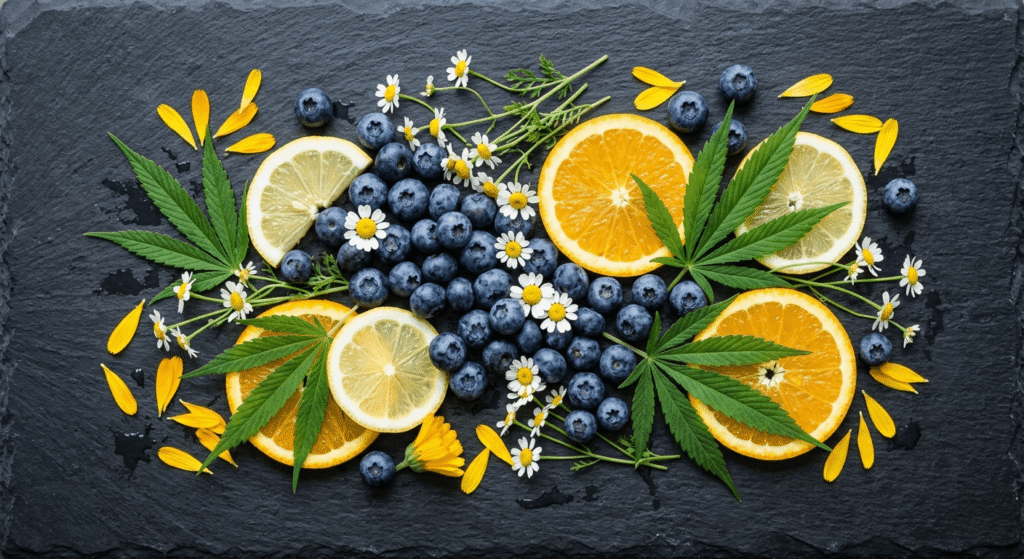
Overall, while naringin is a widely recognized flavonoid and colorant in citrus, it is not naturally part of cannabis or hemp’s phytochemical makeup. Instead, the presence and concentration of the above listed cannabis flavonoids influence both the plant’s unique wellness potential and its sensory profile.
How Do Cannabis Flavonoids Affect Color, Taste, and Aroma?
Flavonoids are central to the vibrant look and nuanced flavor and aroma of cannabis and hemp. Anthocyanins create intense purple and red hues, setting some strains apart visually. Quercetin and cannaflavins can produce softer yellow tones, making them essential colorants.
When it comes to taste and aroma, flavonoids complement terpenes by adding bitter, earthy, or subtly sweet notes to the plant’s overall profile. Cannaflavins and apigenin often contribute to mild bitterness or a “green” taste—effects especially noticeable in minimally processed flower. In combination, these compounds make each variety distinct in flavor, aroma, and visual appeal.
How Do Flavonoids Compare to Terpenes and Cannabinoids?
- Cannabinoids (such as THC or CBD): Drive psychoactive and therapeutic effects.
- Terpenes: Provide the dominant aromas and play a role in overall mood and experience.
- Flavonoids: Shape color, subtle taste, and may deliver wellness benefits due to their antioxidant and anti-inflammatory potential.
| Compound Type | Main Role in Cannabis | Sensory Effect | Unique to Cannabis? | Wellness Impact |
|---|---|---|---|---|
| Cannabinoids | Psychoactivity, therapy | Minimal flavor/aroma | Yes (THC, CBD) | Yes |
| Terpenes | Aroma, synergy | Pronounced flavor/aroma | Some unique, many shared | Yes (e.g., relaxation) |
| Flavonoids | Color, taste, wellness | Subtle flavor, coloration | Some (cannaflavins) | Yes (antioxidant) |
Do Cannabis Flavonoids Offer Health Benefits?
Emerging research points to several promising health roles for cannabis flavonoids:
- Anti-inflammatory: Cannaflavins A and B demonstrate anti-inflammatory effects in the lab, with prototypes showing strengths far surpassing aspirin’s in cellular models.
- Antioxidant: Compounds like quercetin, kaempferol, and luteolin assist in neutralizing free radicals, supporting cell health.
- Neuroprotection: Apigenin and luteolin may aid brain wellness and reduce nervous system stress.
- Broader wellness effects: Initial research suggests potential benefits for anti-fungal, anti-cancer, and heart health, though these claims are mostly from animal and cell studies at this point.
Flavonoids are believed to participate in the entourage effect, where their interactions with cannabinoids and terpenes create the signature effects of each cannabis strain. While cannabinoids mainly influence psychoactivity and body response, flavonoids fine-tune the overall wellness and sensory outcome.
Keep in mind, definitive health benefits from cannabis flavonoids require further clinical study. Most findings are preliminary, based on preclinical or laboratory data.
Frequently Asked Questions
1. Are flavonoids present in all cannabis strains?
All cannabis strains contain flavonoids, but the type and amount vary significantly. Vividly colored varieties like purples and reds contain more anthocyanins, while others with lighter hues may have lower levels. Genetics, cultivation, and processing methods all influence the final flavonoid content in hemp and cannabis.
2. Do cannabis flavonoids have psychoactive effects like THC?
Cannabis flavonoids do not cause psychoactive effects or a “high.” Unlike THC, which directly affects brain receptors, flavonoids may support mood and health through antioxidant or anti-inflammatory roles but are considered non-psychoactive.
3. How can I select hemp or cannabis products richest in flavonoids?
Consider these strategies to identify flavonoid-rich options:
- Look for deeply colored flowers (purples and reds often signal anthocyanin content).
- Prioritize “full-spectrum” or “whole-plant” products, as they keep more original flavonoids.
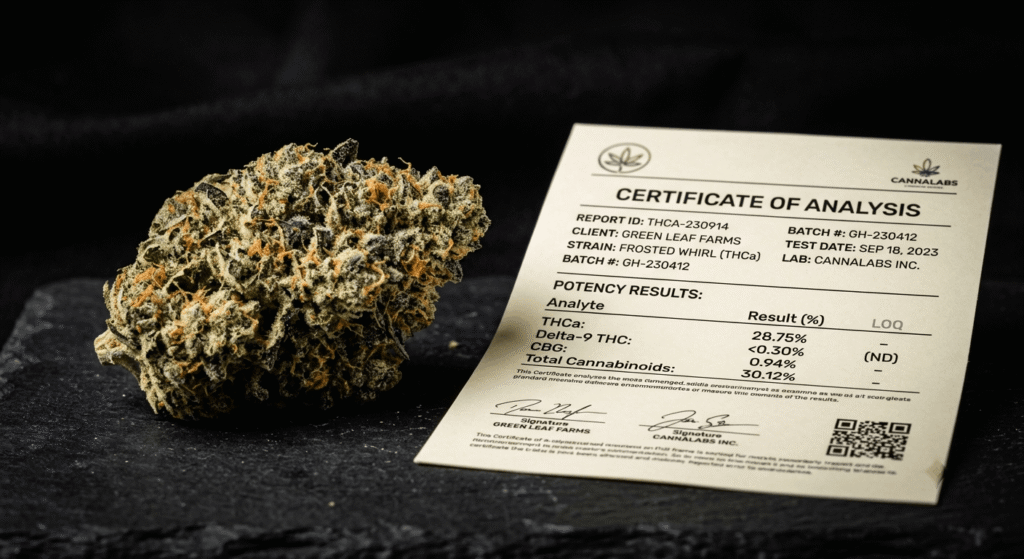
- Request a Certificate of Analysis showing flavonoid profiles.
- Research brands, or ask growers and suppliers about their process for preserving flavonoids in the final product.
4. Can I increase flavonoid content through specific growing or processing methods?
Yes, the flavonoid content in cannabis can be influenced by environmental conditions, genetics, and cultivation practices. For example, exposing plants to specific wavelengths of light, cooler temperatures during flowering, or using organic growing methods may enhance anthocyanin and cannaflavin levels. Minimal processing and careful drying and curing can also help preserve flavonoids in the final product.
5. Are flavonoids included in cannabis product lab tests?
While major cannabinoids and terpenes are commonly reported in third-party Lab Results, flavonoids are not always included. Some advanced labs now offer flavonoid testing, especially for full-spectrum or premium products. If flavonoid content is important to you, seek out brands that transparently share detailed lab reports or inquire about such testing before purchase.
Conclusion
Cannabis flavonoids are much more than plant pigments they play a crucial role in color, flavor, aroma, and even potential health benefits. By understanding how these flavonoids interact with terpenes and cannabinoids, users and cultivators can better appreciate the depth of each strain. Opt for full-spectrum products, pay attention to color, and consult lab results for the most complete experience. For more information, visit Home or explore the official USDA hemp laws as you choose and consume hemp or cannabis products.