Quick Answer Box: THCa vs CBD are two non-psychoactive cannabinoids derived from cannabis plants. THCa, the acidic precursor to THC, remains non-intoxicating unless heated, while CBD is always non-psychoactive and interacts differently with the endocannabinoid system. Their benefits, side effects, and legal status guide which option may best fit your needs.
What is THCa vs CBD?
THCa vs CBD compares two major cannabinoids tetrahydrocannabinolic acid (THCa) and cannabidiol (CBD) that differ in effects, benefits, and legal status. THCa is found in raw cannabis and only becomes psychoactive THC when heated. CBD exists in both hemp and marijuana and remains non-intoxicating regardless of preparation. Recognizing these distinctions will help you make informed decisions about cannabinoid use.
THCa naturally occurs in cannabis before any heat exposure and is known as the “parent” molecule to THC. Through decarboxylation heating by smoking, vaping, or baking THCa is converted into THC, which causes psychoactive effects. Consuming THCa in its raw form will not lead to a high.
CBD is a distinct compound that interacts with your body in a unique way. It does not become intoxicating, even after processing or heating, and is recognized for supporting wellness, notably by reducing anxiety, inflammation, and certain seizure disorders.
How Do THCa and CBD Work in the Endocannabinoid System?
The endocannabinoid system (ECS) is a natural cellular signaling network vital to functions like mood, appetite, pain, and immune response. With two core receptors CB1 in the brain and nervous system, CB2 in immune tissues the ECS is affected uniquely by THCa vs CBD.
Cannabinoid Interaction with ECS
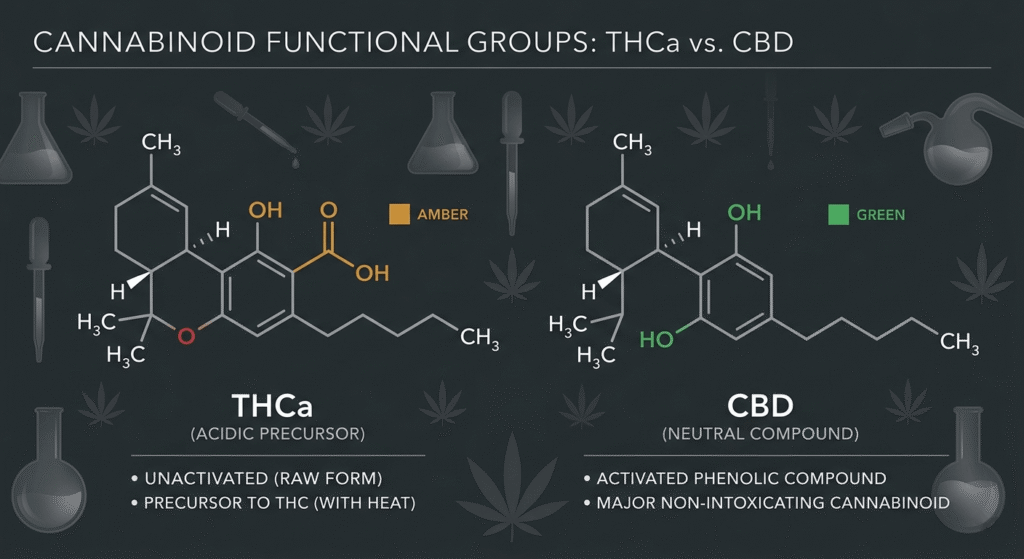
THCa has an extra carboxylic acid group, which prevents it from binding actively to the CB1 receptor. It only becomes psychoactive marijuana (THC) once decarboxylated by heat, then binding CB1 and affecting brain signaling.
CBD works differently. It doesn’t fit snugly into CB1 or CB2 receptors but instead influences ECS function by modulating receptor activity and supporting your body’s own endocannabinoid production. This mechanism means CBD helps regulate pain, inflammation, stress, and other functions, always without delivering a high.
For more details about the ECS, visit Recovered.org’s cannabinoid guide.
What Are the Key Chemical and Psychoactive Differences?
THCa and CBD each have distinct molecular structures affecting their psychoactivity. THCa’s carboxylic acid group means it stays non-psychoactive until it undergoes decarboxylation via heat, becoming THC. Consuming raw THCa, such as in fresh cannabis juice or raw tinctures, keeps its non-intoxicating qualities intact.
CBD features a hydroxyl group rather than a carboxyl group, ensuring it is never psychoactive regardless of how it’s prepared or consumed.
In practice, raw THCa does not make you high, but when heated, it will convert to THC and produce intoxicating effects. CBD is inherently non intoxicating and is valued in wellness products precisely for its non psychoactive profile.
What Are THCa Benefits and Side Effects?
Exploring thca benefits reveals promising wellness potential. Among the most notable are:
- Anti-inflammatory effects: May reduce pain and swelling, particularly valuable for arthritis and similar conditions.
- Neuroprotection: Ongoing research suggests THCa could help protect against neurodegenerative diseases, such as Parkinson’s or Alzheimer’s.
- Antiemetic abilities: Used to curb nausea and support healthy appetite.
- Potential seizure relief: Early studies hint at anti-seizure benefits, though not as established as with CBD.
- Muscle spasm and pain relief: Some users report benefit in muscle conditions.
Possible thca side effects tend to be mild but may include:
- Digestive discomfort
- Drowsiness or lightheadedness
- Reduced appetite
- Rare allergic reactions
If THCa is inadvertently heated during processing, some may convert to THC possibly leading to psychoactive side effects for uninformed users. As research is still developing, long-term safety has not been fully established, especially for children or those with significant health concerns. If you take prescription drugs or have unique health needs, speak with your healthcare provider before starting THCa.
What Are CBD Benefits and Side Effects?
Among cannabinoid options, cbd benefits are especially well-documented and include:
- Stress and anxiety support: Commonly used for natural calming without intoxication.
- Pain relief: Especially useful for chronic or neuropathic pain.
- Anti-inflammatory effects: Supports reduction of swelling and discomfort.
- Anti-seizure efficacy: Demonstrated in conditions like Dravet syndrome; FDA-approved under Epidiolex.
- Sleep support: Many users notice improved sleep quality.
Reported cbd side effects are usually minor:Drowsiness or fatigueNausea, diarrhea, or digestive upsetAppetite or weight changesDry mouth
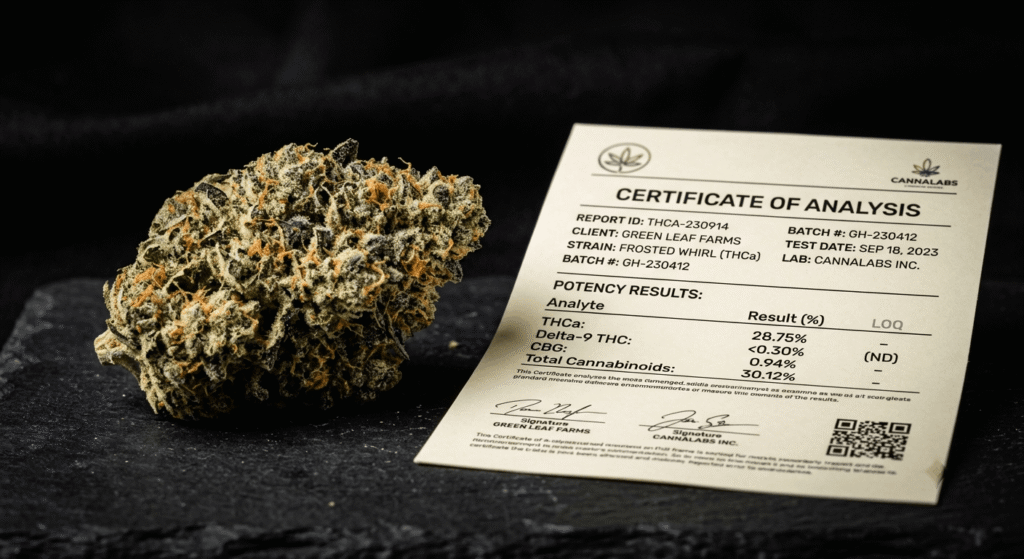
CBD may interact with liver-metabolized medications, so check with your healthcare provider if using prescriptions. Safety is best ensured by purchasing lab-tested products and reviewing Lab Results.
How Are THCa and CBD Consumed, and Why Does It Matter?
How you use THCa or CBD will shape their effects, speed, and duration.
THCa consumption methods include:
- Raw use: Juicing, raw tinctures, or edibles to maintain non-intoxicating benefits.
- Heated use: Smoking, vaping, or baking causes decarboxylation, producing THC from THCa—creating psychoactive potential.
- Topicals and capsules: May deliver localized effect or partial conversion, depending on preparation.
CBD consumption methods span:
- Oral ingestion: Tinctures, capsules, and edibles offer steady, long-lasting relief.
- Inhalation: Vaping or smoking acts quickly but wears off sooner.
- Topicals: Creams and balms provide local relief without systemic absorption.
- Pet products: Formulated to support animal wellness with appropriate dosing.
Bioavailability varies: inhaled cannabinoids act faster, while oral products are long-lasting but slower to take effect. Always purchase from reputable Shop, check lab results, and consult company Shipping Information for purchase details.
Broad Spectrum vs Full Spectrum: Which Should You Choose?
Broad spectrum and full spectrum refer to cannabinoid profiles in your product and can impact legal status and wellness results.
- Broad spectrum: Contains diverse cannabinoids and terpenes, excluding THC. This suits individuals seeking cannabis plant benefits while avoiding any THC.
- Full spectrum: Contains all cannabinoids including up to 0.3% THC in hemp plus terpenes and other plant compounds. The “entourage effect” suggests greater benefits when compounds work together.
THCa is most often present in full spectrum products (unless decarboxylated) but generally absent in broad spectrum options. CBD products are commonly found in both types, so choose based on your comfort with trace THC and your tolerance for drug testing. Always verify product details with third-party testing for transparency.
Learn more from Hemp & Barrel’s guide.
What Is the Legal Status and Drug Testing Risk for THCa and CBD?
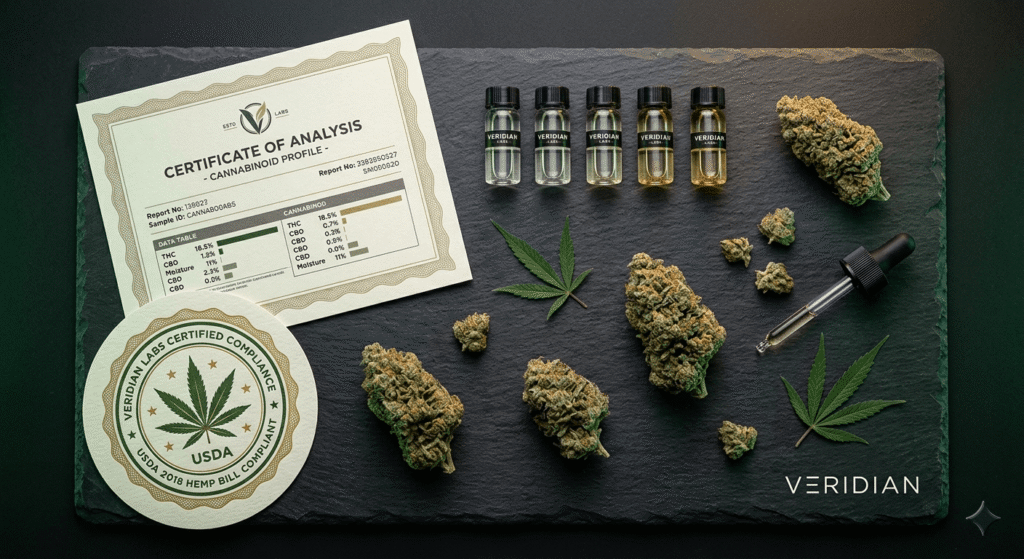
Current U.S. regulations under the 2018 Farm Bill allow both THCa and CBD derived from hemp if total Delta-9 THC (including converted THCa) remains under 0.3% by dry weight. However, cbd legal status and THCa legality vary by state. Some states restrict THCa products further, especially when including the total THC potential in compliance checks.
Always check your state’s most recent rules by visiting the USDA official page and reviewing the Terms & Conditions and Privacy Policy of sellers before purchasing.
Drug Testing Considerations:
- CBD: Pure, third-party tested CBD should not produce a positive THC drug test, but cross-contamination can occur in poorly regulated products.
- THCa: May result in a positive test for THC if it decarboxylates during use or testing. Urine tests may detect it for 3–30 days; hair tests up to 90 days.
If avoiding a positive test is vital, select broad spectrum CBD from reputable sources and avoid THCa or THC-containing products entirely.
THCa vs CBD
| Feature | THCa (Raw) | CBD |
|---|---|---|
| Psychoactivity | Non-psychoactive unless heated | Never psychoactive |
| Medical Benefits | Inflammation, neuroprotection, nausea | Anxiety, pain, seizures, sleep |
| Side Effects | Mild GI, rare dizziness or allergy | Fatigue, GI upset, dry mouth |
| Legal Status | Legal if <0.3% THC (state-dependent) | Legal if <0.3% THC (broadly) |
| Drug Test Risk | Risk if heated or metabolized | Low for pure CBD |
| Consumption Methods | Raw juice, tincture, edible, topical | Gummies, tincture, vape, topical, pet treats |
| Spectrum Available | Usually full spectrum (raw) | Full spectrum, broad spectrum |
FAQs
1. Is THCa psychoactive or will it get me high?
THCa in its natural, raw form is non-psychoactive and will not produce a high. Only when THCa is heated such as by smoking, vaping, or baking does it convert to THC, the compound responsible for intoxicating effects.
2. Can CBD show up on a drug test?
Pure CBD should not result in a positive THC drug test. However, some CBD products may be contaminated or mislabeled, containing small amounts of THC. Always choose products with verified Lab Results to reduce this risk.
3. Which is better for pain: THCa or CBD?
Both THCa and CBD have potential for pain relief:CBD is widely used for chronic or neuropathic pain, especially if you want non-intoxicating effects.THCa (in raw form) may help with inflammation. If heated, THCa becomes THC and may offer stronger pain relief but with psychoactive effects.
4. How do I choose between broad spectrum and full spectrum CBD products?
Choosing between broad spectrum and full spectrum CBD largely depends on your personal needs and preferences. Full spectrum CBD contains all plant cannabinoids including trace amounts of THC (under 0.3% as per federal law), which may produce an “entourage effect” for enhanced benefits, but could also present a risk on drug tests. Broad spectrum CBD has most cannabinoids and terpenes, but no THC, making it ideal for those who wish to avoid THC altogether or are concerned about drug testing, while still receiving a range of wellness benefits.
5. Is it safe to use THCa or CBD daily?
Current evidence suggests that both THCa (in raw, non-psychoactive form) and CBD are generally safe to use daily for most adults, especially when used as directed and sourced from reputable, lab-tested brands. However, long-term safety data is still being developed for THCa, and both cannabinoids may interact with medications or underlying health conditions. It’s always a good idea to consult with your healthcare provider before starting daily use, especially if pregnant, breastfeeding, or taking prescriptions.
Conclusion
Deciding between THCa vs CBD relies on your health goals, preferred psychoactivity, legal landscape, and desired method of use. THCa brings non-psychoactive benefits when consumed raw and may suit those interested in neuroprotection or inflammation, while CBD consistently provides non-intoxicating, well-studied relief for anxiety, pain, and sleep. Assess your individual needs, confirm product quality with Lab Results, and review your state’s laws to make an informed and confident choice.