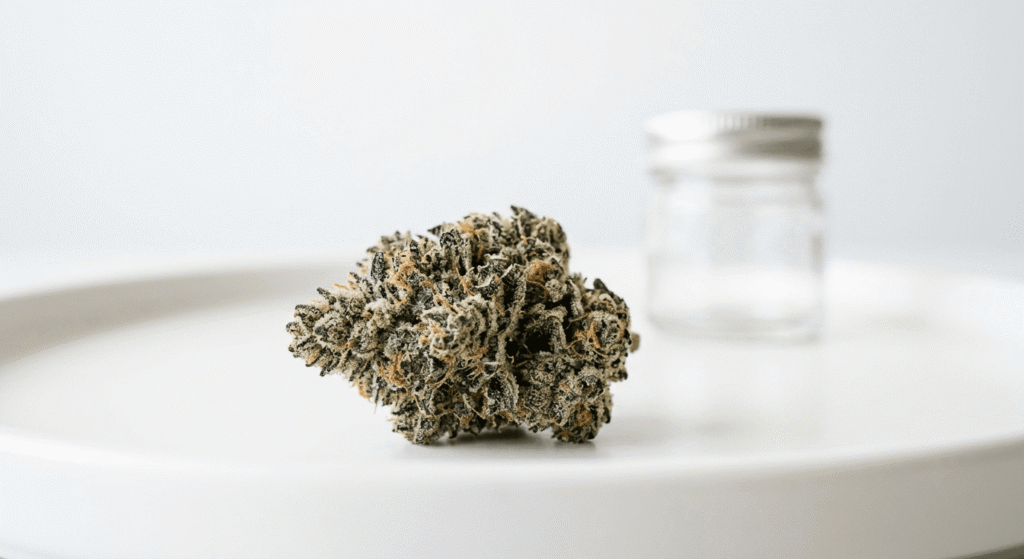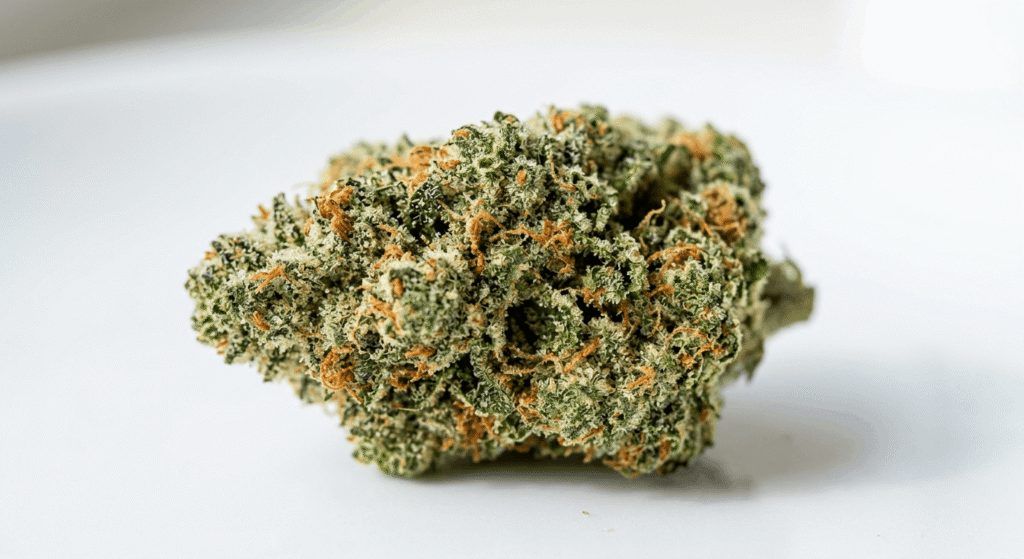
Quick Answer Box: Hybrid THCa strains are hemp flower bred from both indica and sativa genetics, giving smokers a blended effect instead of a single lane. The actual experience comes down to terpene profile and cannabinoid ratio, not the indica or sativa label on the jar.
What Are Hybrid THCa Strains?
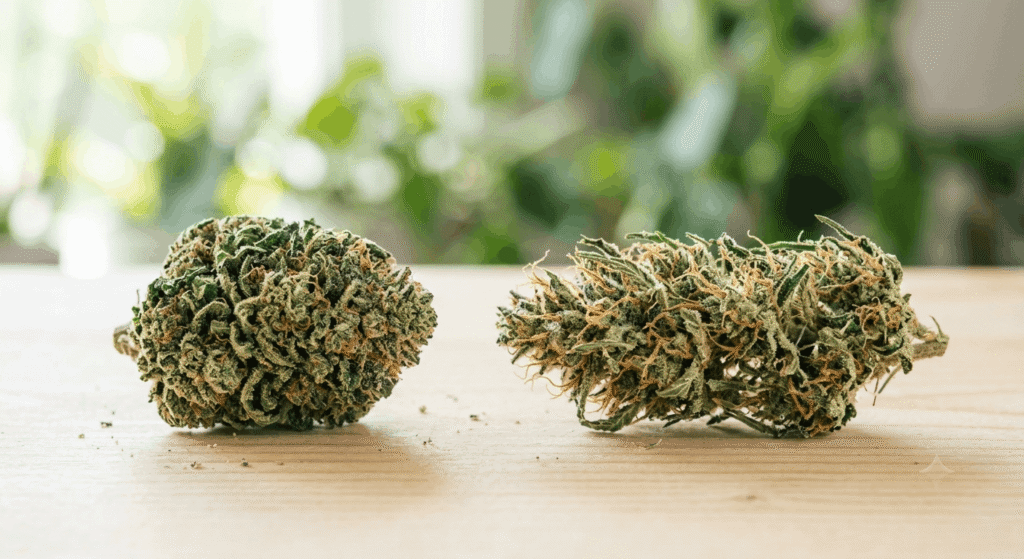
Hybrid THCa strains are cannabis cultivars bred by crossing indica and sativa parent plants, then selected for high THCa content under the federal hemp threshold. The goal is a strain that borrows traits from both sides: the calm of an indica, the clarity of a sativa. Most flower on shelves today, hybrid or not, actually falls into this crossbred category.
TL;DR
- Hybrid THCa strains combine indica and sativa genetics, and a 2021 Nature Plants study found indica and sativa labels don’t reliably predict a plant’s chemistry.
- Terpene profile, not the strain type printed on the bag, drives whether a hybrid feels relaxing, energizing, or balanced.
- Indica-dominant hybrids run 60-80% indica; sativa-dominant hybrids run the reverse; balanced hybrids sit near 50/50.
- A new federal hemp definition takes effect November 12, 2026, and it will change how total THC is measured on every label.
What Is the Difference Between Hybrid THCa Strains and the Best Hybrid Strains Sold as Pure Indica or Sativa?
The difference is mostly marketing, not botany. Indica and sativa labels describe a plant’s leaf shape and folklore origin, while hybrid THCa strains are deliberately crossed for a specific cannabinoid and terpene outcome. Researchers at Dalhousie University and Wageningen University analyzed hundreds of cannabis samples in 2021 and found that the genetic and chemical makeup often doesn’t match the indica or sativa label on the jar.
That doesn’t mean every strain is identical. It means the useful information sits in the lab sheet, not the category name. When you’re comparing the best hybrid strains against a straight indica or sativa, look at THCa percentage and dominant terpenes first. Curious how a single-lineage strain fits into this picture? Our breakdown of what makes an indica flower restorative walks through the other side of that comparison.
How Does Cannabis Genetics Really Shape a Hybrid THCa Strain’s Effects?
Cannabis genetics determine which terpene synthase genes a plant expresses, and that’s what actually separates one hybrid from another. A Nature Plants study mapped Cannabis labeling to genetic variation in terpene synthase genes on chromosomes 5 and 6, rather than to broad ancestry. In plain terms: two hybrids can share nearly identical parentage on paper and still smell and feel completely different once you factor in which terpene genes got switched on.
This is why breeders now chase specific chemotypes instead of a vague “70/30” ratio. A grower after a gassy, sedating pheno backcrosses for myrcene-heavy genetics. One after a citrus, energizing pheno pushes toward limonene and pinene instead. The hybrid label just tells you crossbreeding happened, not which genes won.
Why Terpene Profile and the Entourage Effect Matter More Than the Hybrid Label
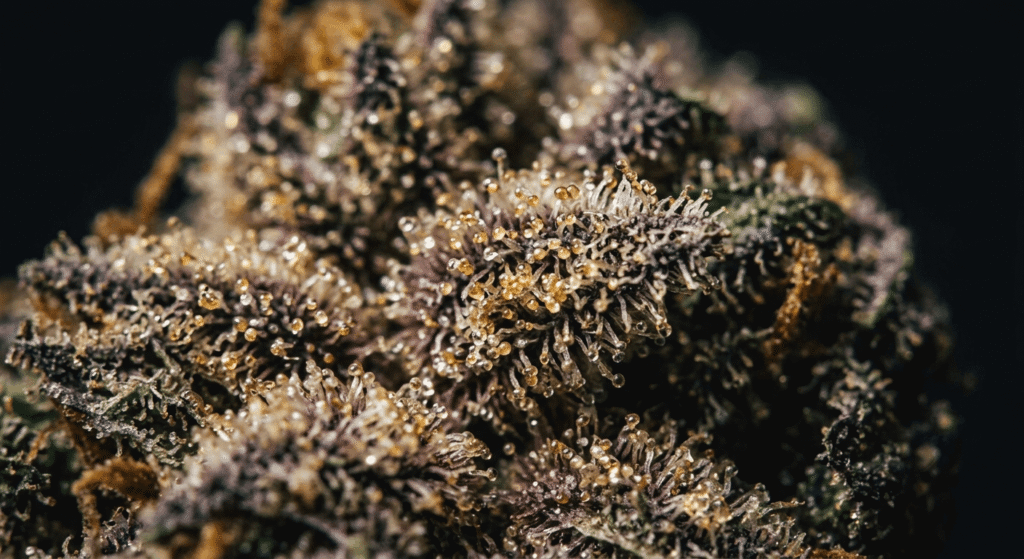
Terpene profile is the aromatic and chemical fingerprint of a strain, and it’s the real driver behind how a hybrid THCa strain feels once it’s smoked. The entourage effect describes how different cannabis compounds work together to create effects greater than any single component alone, and hybrid strains with diverse terpene profiles trigger this synergy more reliably than isolated compounds do.
Myrcene tends to push a hybrid toward the relaxed, heavy-limbed end. Limonene and pinene pull it toward clear-headed and social. Caryophyllene adds a peppery note tied to a grounded, less anxious high. A 2020 review of 28 studies on cannabinoid-terpene combinations concluded the evidence strongly supports the entourage effect for pain and inflammatory conditions, though controlled clinical trials remain limited. For a deeper look at how this synergy works across cannabinoids, see our full piece on the entourage effect and cannabinoid synergy.
Here’s the practical takeaway. Two jars labeled “hybrid” can produce opposite experiences. Always check the terpene sheet on the lab results, not just the strain category.
Hybrid THCa Strain Types Compared
| Hybrid Type | THCa Range | Dominant Terpenes | Typical Effect | Best Time to Use |
|---|---|---|---|---|
| Indica-dominant (60-80% indica) | 20-31% | Myrcene, caryophyllene | Relaxed, mellow body calm | Evening |
| Sativa-dominant (60-80% sativa) | 20-35% | Limonene, pinene | Energizing, clear-headed | Daytime |
| Balanced (near 50/50) | 25-38% | Mixed profile, no single lead | Even mix of calm and clarity | Anytime |
| High-potency hybrid | 35%+ | Caryophyllene, humulene | Heavy-hitting, full-body plus mental lift | Experienced users, evening |
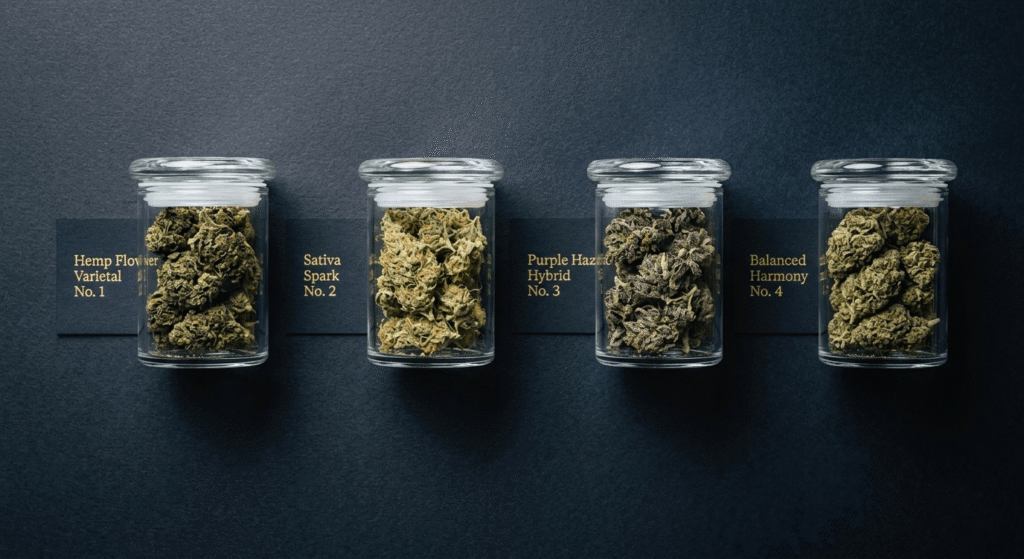
Numbers vary by harvest and grower, but the pattern holds across most hemp markets right now.
How Hemp Cultivation and Flower Quality Grading Shape a Hybrid’s Potency
Hemp cultivation practices, not just genetics, decide whether a hybrid THCa strain reaches its full potential. Light exposure, curing time, and harvest timing all shift final THCa and terpene levels. Indoor-grown hybrids typically hold tighter trichome density and stronger terpene retention than outdoor or light-dep flower.
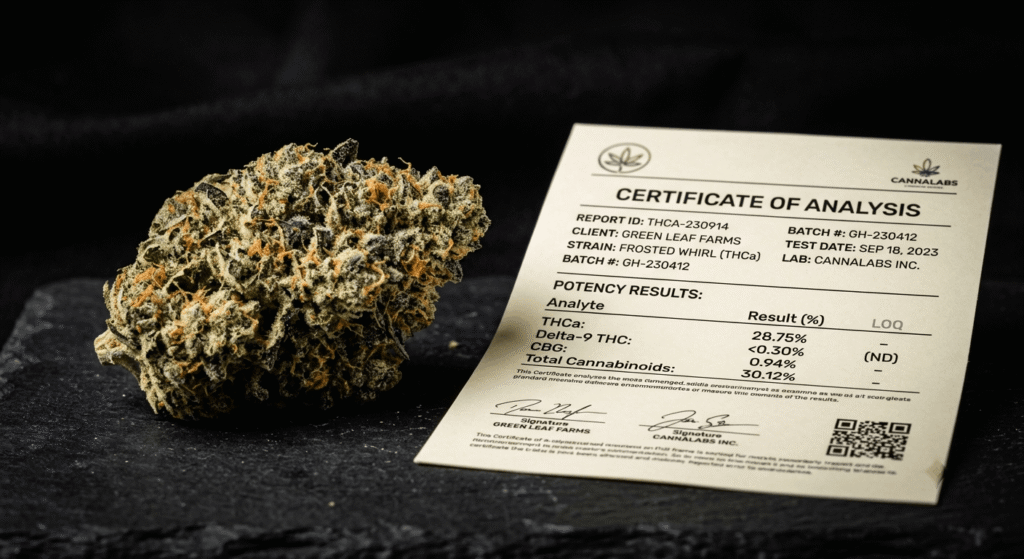
Flower quality grading is where this gets tested. A-grade flower gets graded on bud structure, trichome coverage, moisture content, and a verified certificate of analysis (COA), not just a THCa number on a sticker. Skipping the COA is the single most common mistake new hemp buyers make. Every batch we carry ships with lab results you can check against the jar, listed on our lab results page.
Choosing a Smokable Hemp Flower Hybrid Strain for Your Needs
Smokable hemp flower hybrids aren’t one-size-fits-all, so match the strain hybrid to the moment you need it for. A Sunday afternoon that shouldn’t knock you out calls for a sativa-leaning hybrid with limonene up front. Winding down after a long shift calls for an indica-leaning hybrid heavy on myrcene. Not sure where to start? A balanced 50/50 hybrid gives you room to test both directions first.
Budget matters too. Smalls and trim-heavy hybrid jars carry the same cannabinoid and terpene content as full buds at a lower price, just with less bag appeal. Browse our full indoor-grown flower selection to compare hybrid cultivars side by side.
One more thing worth flagging: the federal hemp definition is changing from a delta-9 THC threshold to a total THC threshold that includes THCa, effective November 12, 2026, according to Congress.gov’s Congressional Research Service. That shift won’t change how a strain smokes, but it will change how potency gets measured and labeled going forward.
Frequently Asked Questions
1. What makes a strain a hybrid THCa strain instead of just indica or sativa?
A hybrid THCa strain is bred by crossing indica and sativa parent plants, then selected for high THCa content. Most commercial hemp flower today is technically hybrid, even when it’s marketed as a pure lineage.
2. Do hybrid THCa strains get you higher than indica or sativa strains?
Potency depends on THCa percentage and total THC content, not on whether a strain is labeled hybrid. A 35% THCa hybrid will hit harder than a 20% THCa indica, regardless of genetic type.
3. Is hybrid THCa flower federally legal?
Yes, under the 2018 Farm Bill, hemp flower testing at or below 0.3% delta-9 THC by dry weight is federally legal. That standard is shifting to a total THC measurement on November 12, 2026.
4. How do I know which hybrid THCa strain fits my needs?
Start with the terpene profile on the COA:
- Myrcene-forward for relaxation and sleep
- Limonene or pinene-forward for energy and focus
- Caryophyllene-forward for calm without heavy sedation
- Balanced profiles for anytime use
5. Does hybrid THCa flower show up on a drug test?
Yes. Once heated, THCa converts to delta-9 THC and will trigger a positive result on most standard drug tests, regardless of strain type.
6. What’s the difference between indoor and light dep hybrid flower?
Indoor hybrids grow under full artificial light control for consistent trichome density and terpene retention. Light dep flower grows outdoors under tarps that force early flowering, usually at a lower price point with slightly more batch variation.
Conclusion
Hybrid THCa strains earn their reputation honestly. They blend genetics to give smokers effects that neither a pure indica nor a pure sativa delivers alone. But the label only tells part of the story. Terpene profile, cannabinoid ratio, and a verified COA tell the rest.
Ready to compare hybrid cultivars for yourself? Shop our current hybrid and indoor-grown flower lineup and check lab results before you buy.