Quick Answer Box: Cannabis transparency means providing clear and accurate information about cannabis products, from potency to extraction methods. In 2026, cannabis transparency is more important than ever due to stricter cannabis compliance rules, evolving state laws, increased consumer expectations, and advanced quality assurance requirements affecting both cannabis and hemp businesses.
What is Cannabis Transparency?
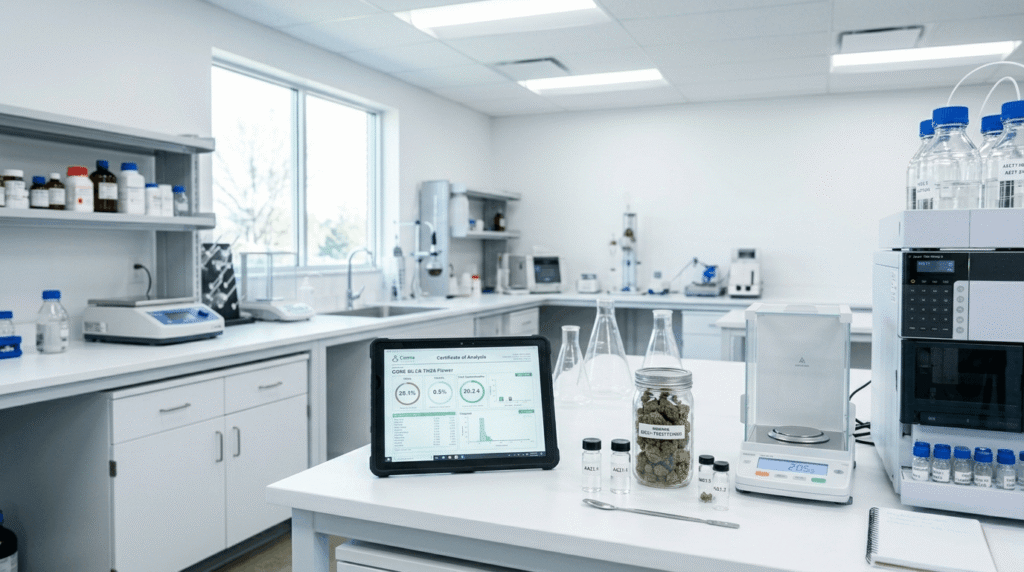
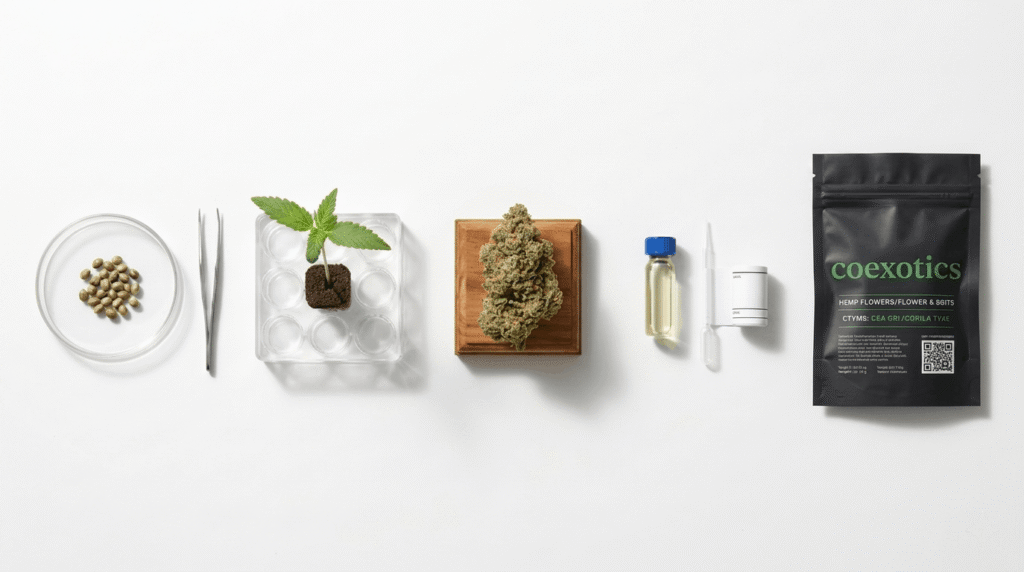
Cannabis transparency in 2026 is the open disclosure of every detail throughout the cannabis and hemp supply chains. This includes honest labeling of potency, ingredients, and lab test results, as well as transparent manufacturing and extraction processes. Clear communication to both consumers and regulators is required, and producers must thoroughly document each step to ensure state compliance, traceability from seed to sale, and ultimately foster trust and legal certainty.
Why Does Cannabis Transparency Matter More in 2026?
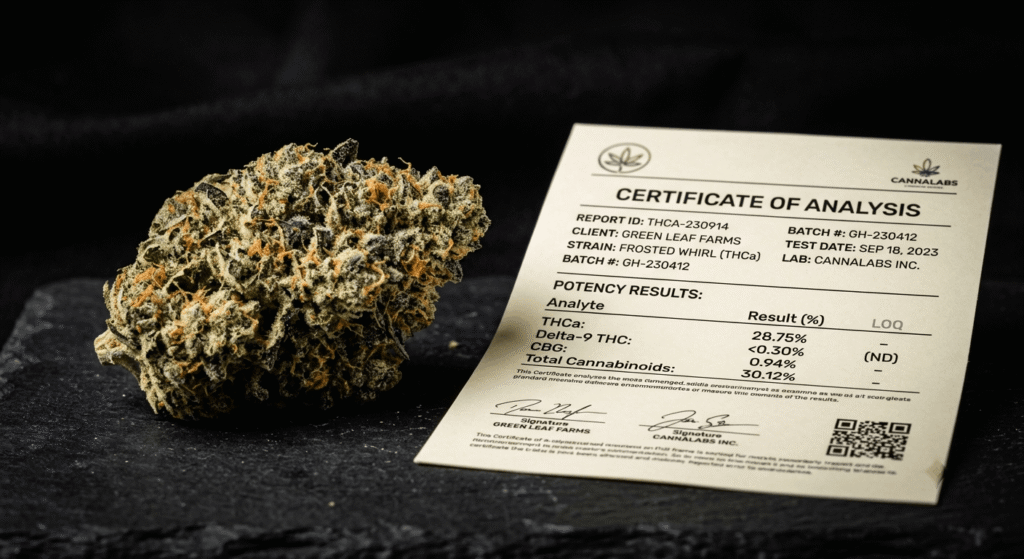
Regulatory changes and technological advancements have accelerated the importance of cannabis transparency. New and revised cannabis laws mean brands must prove compliance through proper labeling, real-time product tracking, and public lab results. Savvy consumers now expect to see Certificates of Analysis, review ingredients, and verify the authenticity and quality of both cannabis and hemp products before purchase.
A survey from the CRB Monitor Transparency Scorecard reports that 73% of consumers are willing to pay more for transparent cannabis. The Scorecard also highlights improvements in transparency among U.S. states, but persistent gaps remain especially in ownership disclosures. Brands embracing state compliance win consumer trust, sidestep penalties, and enjoy easier banking access. Meanwhile, companies that fail to meet transparency standards risk greater regulatory scrutiny, potential license loss, and being sidelined as QR codes and blockchain tracking become industry standards. For the first time, patients now prioritize transparency over maximum potency.
Impact of Consumer Expectations
Consumers are more empowered and informed, demanding quick access to test results via QR codes or websites. Transparency has shifted from a marketing advantage to an operational necessity. Medical users, especially, depend on quality assurance from third-party cannabis potency testing and thorough ingredient transparency to make safe, informed decisions.
How Can Brands Achieve Transparent Cannabis Manufacturing?
To establish transparent cannabis manufacturing in 2026, companies must integrate transparent practices at every stage:
- Document Every Batch: Maintain meticulous digital records from seed acquisition to final packaging, using batch tracking for full traceability.
- Cannabis Potency Testing: Conduct cannabis potency testing on each batch to verify accurate THC, CBD, and minor cannabinoid content, and screen for contaminants like pesticides, heavy metals, microbes, or solvents.
- Use QR Codes and UIDs: Place QR codes or unique identifiers on packaging that directly link to Certificates of Analysis and batch data.
- Publish Complete Ingredient Lists: Disclose all components and additives, including carrier oils and flavorings.
- Automate Compliance Reporting: Implement compliance software to monitor changes in cannabis laws, deadlines, and recordkeeping.
- Provide Public Access: Make lab results and compliance documents accessible to consumers through your Lab Results page and at the point of sale.
- Regularly Audit Processes: Continuously review workflows and documentation for regulatory alignment and transparent cannabis manufacturing practices.
This structured approach to cannabis transparency ensures companies comply with state requirements, fulfill consumer expectations, and avoid unnecessary legal risks. For operational policies, explore more guidance in the Terms & Conditions and Privacy Policy sections of your site.
What Are the Key Challenges With Hemp Transparency and Compliance?
Hemp presents unique transparency challenges, regulated by both state authorities and the USDA. As of 2026, all hemp products must comply with the Total THC Rule capping hemp at 0.4% total THC. This requires rigorous documentation and round-the-clock cannabis potency testing at every stage of manufacturing.
Manufacturers must submit detailed records to the USDA as outlined on the official USDA hemp laws site. Failing to provide accurate documentation or missing required batch test results puts licenses and crops at risk. For consumers, reliable transparency means being able to differentiate compliant hemp from noncompliant cannabis.
Transparent cannabis manufacturing bridges these regulatory divides. Both cannabis and hemp companies must disclose extraction methods, ingredient lists, and potency data, reinforcing consumer education and trust. For more details, consult your state’s specific cannabis laws.
Frequently Asked Questions
1. What information must be included on a compliant cannabis label in 2026?
In 2026, a compliant label must display cannabinoid (THC/CBD) content, batch number, lab testing date, expiration date, comprehensive ingredient list, the specific extraction method, and all required state warning statements. Packaging should feature a QR code or UID that allows instant access to full Certificates of Analysis, supporting transparent cannabis manufacturing.
2. How can consumers check if a cannabis product is authentic?
Consumers should:
- Scan packaging QR codes to access independent lab reports and check for third-party certification.
- Review batch numbers and expiration dates for traceability.
- Examine detailed ingredient lists.
If results are unclear or credentials are missing, check product details against reputable Lab Results pages and consult brand sites like About or Contact to confirm legitimacy.
3. What differentiates hemp laws from cannabis compliance rules?
Hemp must comply with federal limits (0.4% THC as of 2026) and submit ongoing documentation to the USDA. Cannabis, with higher THC, falls under more complex state compliance and reporting standards. Both rely on quality assurance, robust labeling, and transparent cannabis manufacturing to maintain market trust.
4. Why should brands invest in transparent cannabis manufacturing over traditional methods?
Transparent cannabis manufacturing not only ensures regulatory compliance and builds consumer trust, but also reduces the risk of fines, product recalls, and license loss. By openly disclosing extraction processes, batch data, and testing results, brands can enhance market reputation, meet higher quality assurance benchmarks, and open doors to legal markets and banking partners. Learn more about transparent manufacturing practices through our About and Shop pages.
5. How do QR codes improve cannabis transparency and compliance?
QR codes allow instant verification of cannabis potency testing, batch traceability, ingredient disclosure, and state compliance details by linking consumers directly to Certificates of Analysis and compliance documents. This instant access to verified information supports quality assurance, prevents misinformation, and simplifies regulatory audits for brands.
6. What role do third-party labs play in cannabis transparency in 2026?
Third-party laboratories provide unbiased cannabis potency testing and screening for contaminants. Their independent reports validate that products meet state compliance and quality assurance standards. Using labs unaffiliated with the manufacturer ensures accurate cannabinoid profiles and transparent labeling critical for both consumer confidence and legal compliance. To view independent test results, visit the Lab Results section or contact us via the Contact page.
Conclusion
Cannabis transparency in 2026 is the foundation of trust, safety, and future business growth. To meet evolving cannabis laws and consumer demands, producers must integrate transparent cannabis manufacturing, follow strict state compliance, regularly conduct cannabis potency testing, and disclose all extraction and ingredient details. Whether you’re a buyer, patient, or brand, prioritize companies demonstrating clear, accessible transparency through public lab results, compliance documentation, and quality assurance for reliable cannabis and hemp products in a transforming market.