Quick Answer Box: THCA flower offers unique benefits by providing non-psychoactive wellness effects when raw and traditional cannabis effects when heated. Unlike typical THC flower, thca flower is federally legal (under strict limits), but pending law changes in 2026 may affect its status. Always check lab results and local laws before use.
What is THCA Flower?
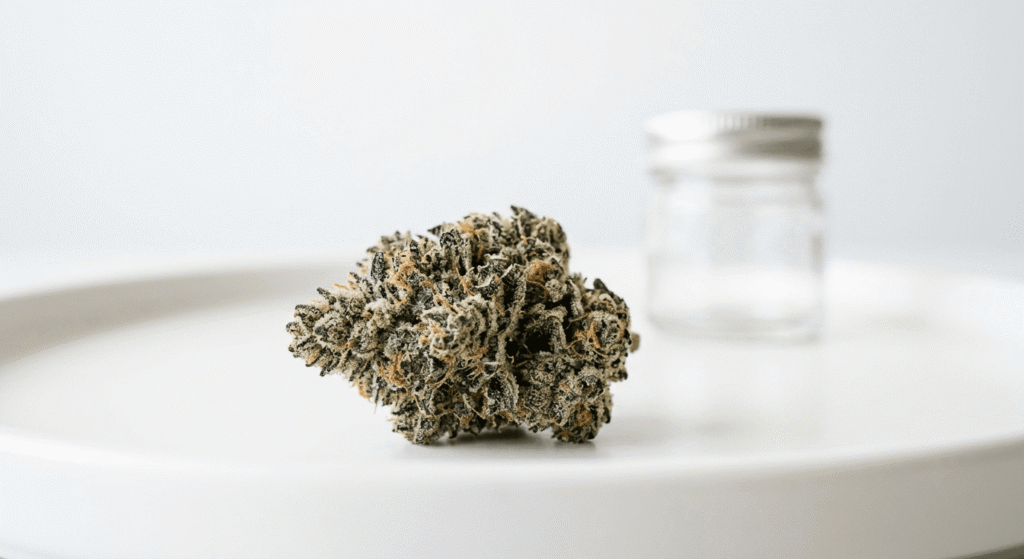
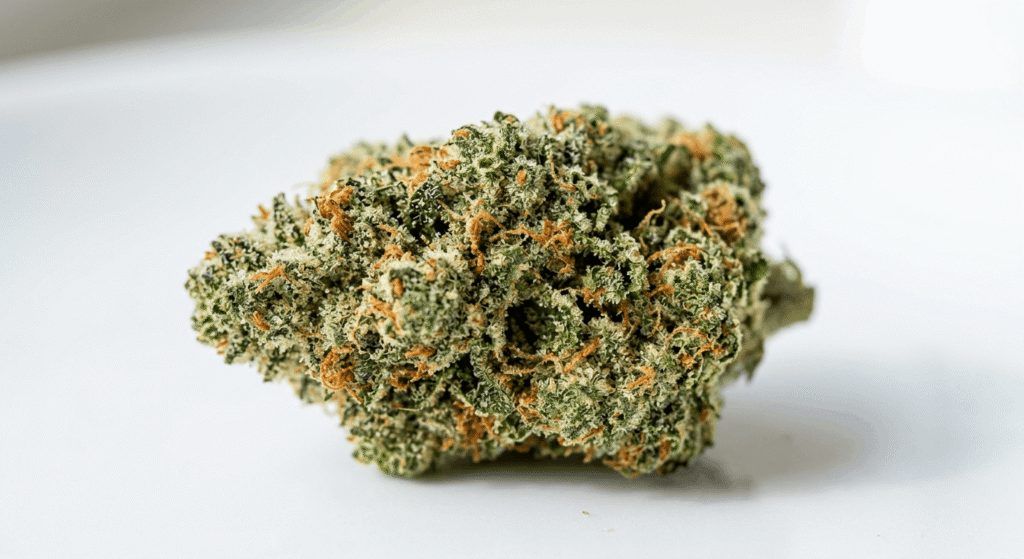
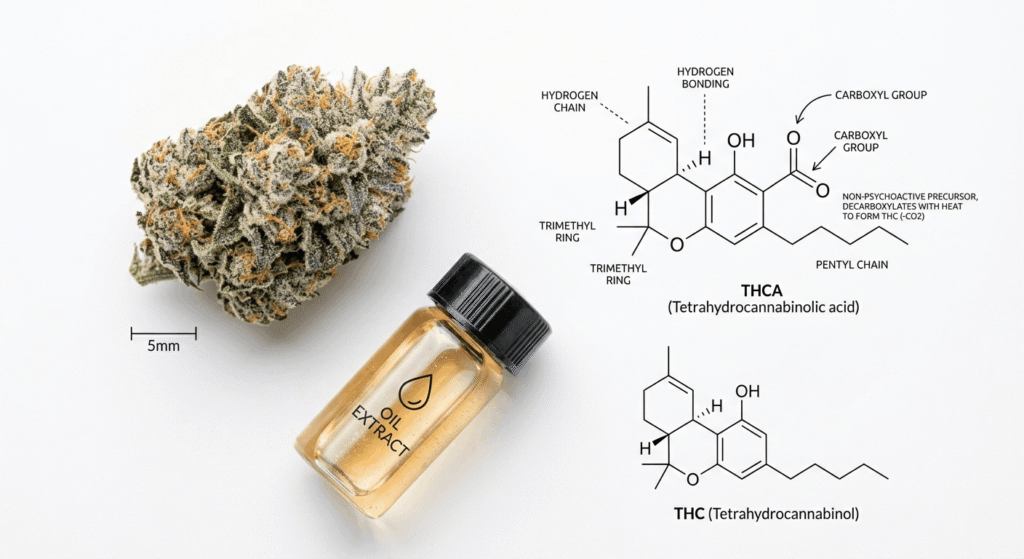
THCA flower refers to the raw, unheated bud harvested from cannabis or hemp plants bred to contain high levels of tetrahydrocannabinolic acid (THCA) and very low delta-9 THC. Unlike standard THC flower, thca flower does not cause psychoactive effects unless it is heated, making it a favored choice for both wellness and recreational users. Its chemical profile is rich in the acidic precursor to THC, distinguishing it from cannabinoids like CBD and ensuring a unique place among cannabis products.
How is THCA Flower Made?
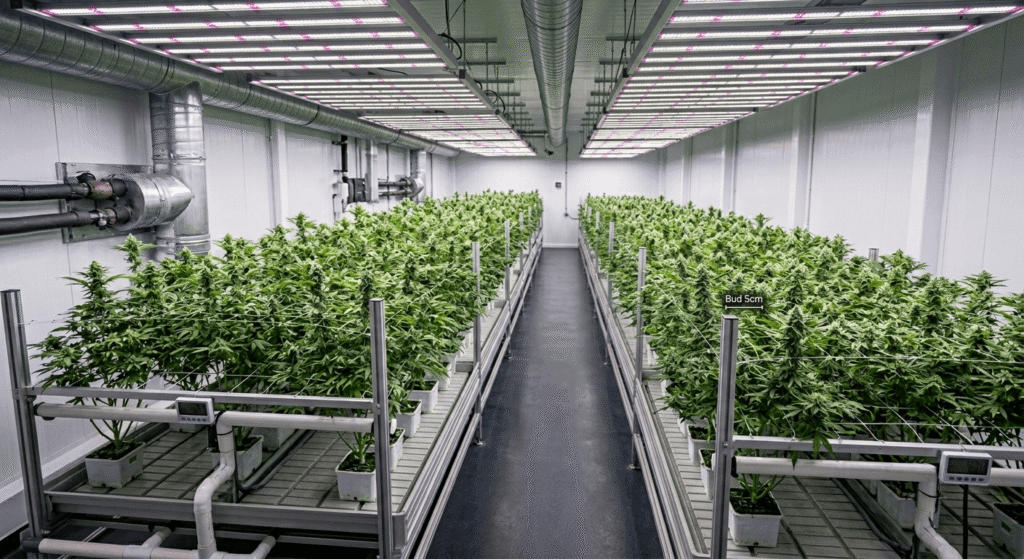
THCA flower is the result of careful cultivation of hemp or cannabis strains chosen for their capacity to maximize THCA content while keeping delta-9 THC below the 0.3% federal threshold. Achieving this balance is strict, as it determines whether the flower meets legal compliance outlined by the USDA and other regulatory authorities. Growers monitor cultivation conditions closely, often utilizing indoor methods to regulate environmental factors and protect fragile cannabinoids and cannabis trichomes.
A crucial step in producing quality thca flower is harvesting at the peak moment—just before natural light or heat can convert THCA to THC. Immediate, gentle curing and hand-trimming preserve not only THCA potency but also the trichomes, which are the resinous glands that house major cannabinoids and terpenes.
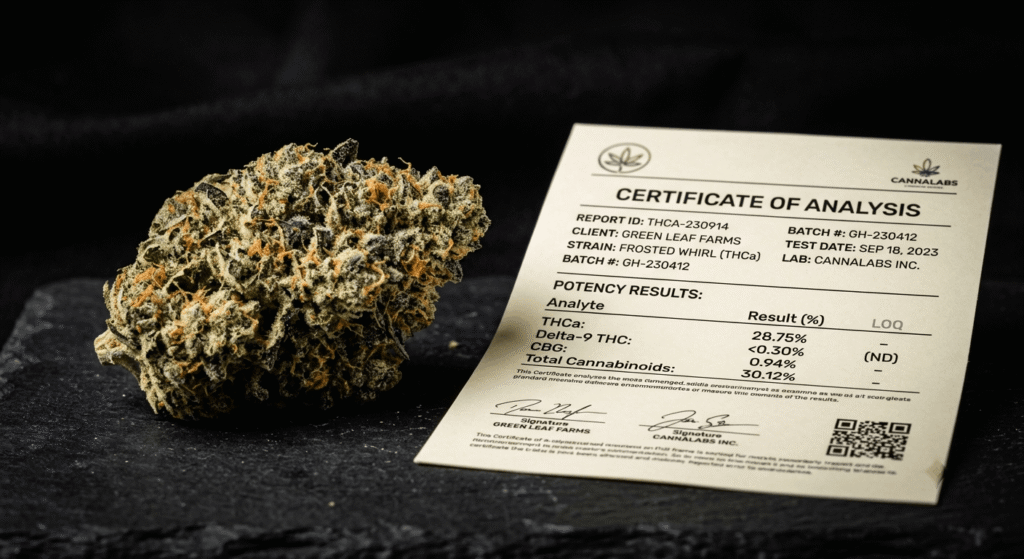
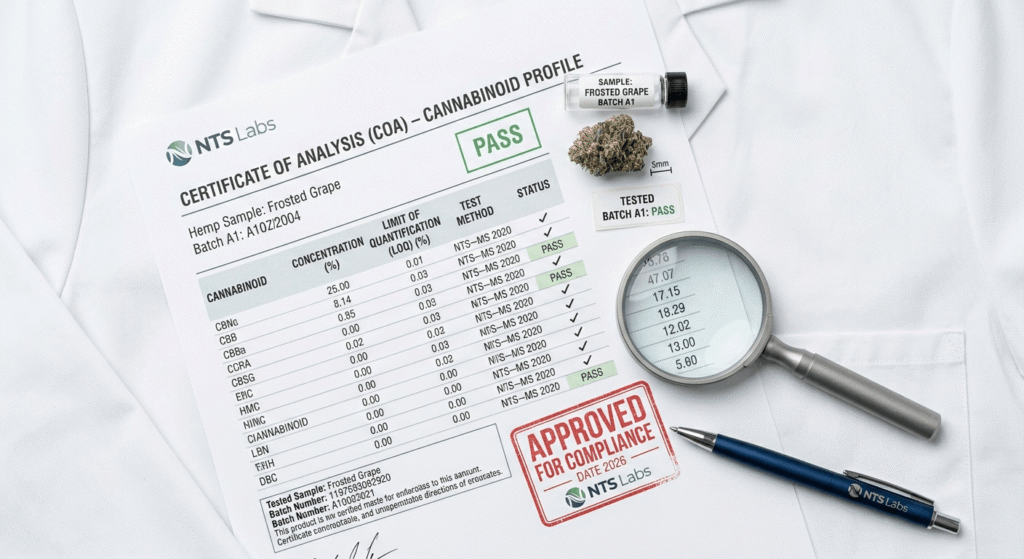
Every reputable batch will have a Certificate of Analysis (COA). Legitimate vendors, such as those listed on the Home and Shop pages, publish COAs detailing THCA and delta-9 THC percentages, total cannabinoid profile, and results for safety testing against contaminants. Always verify with up-to-date lab results for reassurance and legal compliance.
Why Indoor Cultivation Matters
Indoor-grown thca flower stands out for superior consistency, terpene retention, and cannabinoid preservation. Tight controls during growth and handling also minimize the risk of contamination with pesticides or heavy metals, making it the top choice for users seeking safe, high-potency options.
How THCA Flower Works: Raw vs. Heated Effects
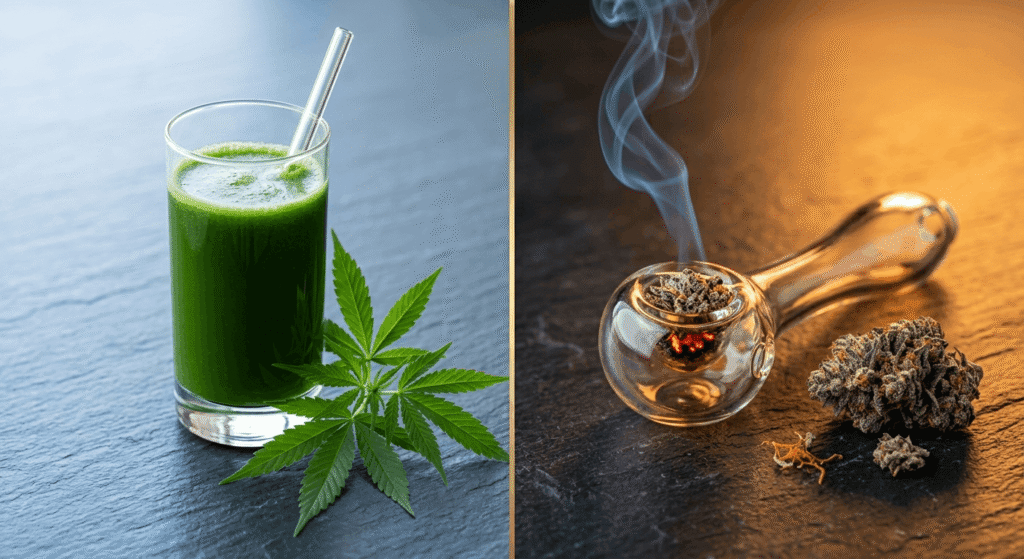
Consuming thca flower in its raw state, via methods like juicing or blending, delivers a non-psychoactive experience because the THCA molecule hasn’t undergone decarboxylation. In this form, the cannabinoid doesn’t bind significantly to human endocannabinoid receptors. This makes it ideal for those seeking wellness support without intoxication.
Once the flower is heated—whether smoked, vaporized, or baked—it undergoes decarboxylation, transforming THCA into delta-9 THC, the main psychoactive chemical in cannabis. The resulting effects closely mimic traditional marijuana: euphoria, altered perception, and relaxation are typical.
This dual character is what makes thca flower unique. In one state, it can provide wellness benefits without impairment; in another, it delivers a full recreational cannabis experience. The entourage effect, a principle where cannabinoids and terpenes in cannabis trichomes interact synergistically, further influences both wellness and intoxicating effects, highlighting the importance of a rich and diverse cannabinoid blend.
THCA vs THC: Key Differences in Experience
While THCA is not intoxicating in its raw state, once converted to THC, its effects are nearly indistinguishable from classic cannabis products. For wellness users, raw consumption offers targeted benefits with no impairment, while recreational users can unlock potent effects by heating the same flower.
THCA Flower Benefits
THCA flower benefits span both wellness and recreational uses, depending on the method of consumption. By leveraging the unique properties of THCA and the compounds present in cannabis trichomes, this flower delivers diverse applications.
1. Non-Psychoactive Wellness Support (Raw THCA):
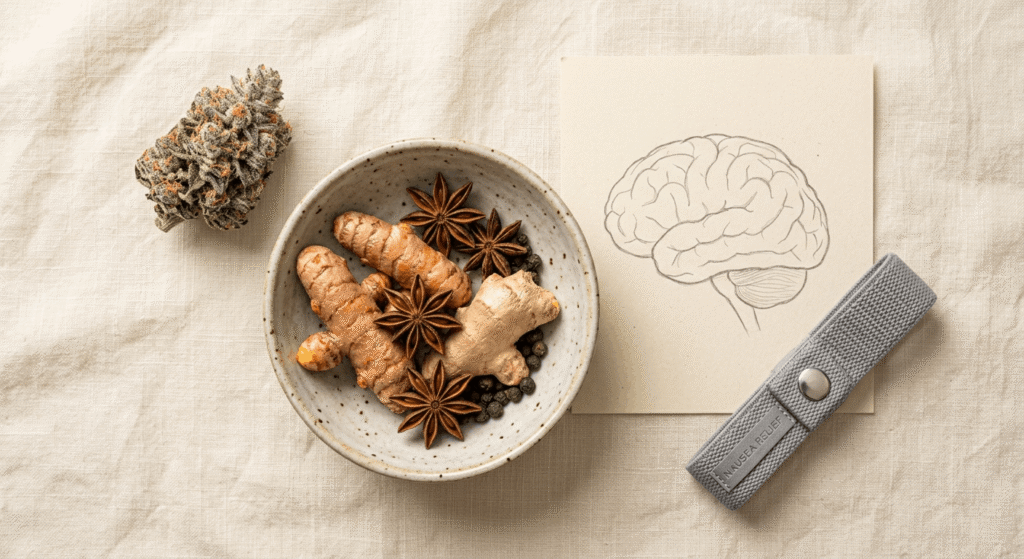
If consumed raw, thca flower provides notable wellness support without a high. Early studies—mostly preclinical—indicate that THCA displays:
- Anti-inflammatory actions: THCA inhibits COX-1 and COX-2 enzymes, suggesting a role in alleviating inflammation that could be valuable for arthritis sufferers.
- Neuroprotective promise: Research in animal models points to THCA’s ability to shield neural cells from degeneration, a potential future for neurodegenerative disorders.
- Anti-nausea and appetite stimulation: Preliminary findings and patient anecdotes support THCA use for nausea relief and appetite enhancement, particularly in those facing chemotherapy or serious illness.
- Pain modulation: Some users report alleviation of mild pain and muscle soreness, although more human trial data are required.
2. Psychoactive Cannabis Experience (Heated THCA):
When heated, thca flower transforms into potent THC. This conversion grants users access to a traditional, euphoric cannabis experience that rivals high-grade dispensary flowers. Users praise the effectiveness, flavor, and smoothness of premium indoor-grown, hand-trimmed thca bud varieties, often noting a wide selection to match personal preferences—relaxing, uplifting, or focused effects.
3. Legal Access and Flexibility (Pre-2026):
Prior to 2026’s law updates, thca flower has been widely available as a federally legal alternative to marijuana in restrictive states, as long as delta-9 THC remains under 0.3%. This legal work-around provided access for both wellness and recreational users unable to buy dispensary cannabis. However, this benefit is ending soon due to regulatory changes.
4. Versatility of Use:
Another key thca flower benefit is its adaptability. Whether juiced for wellness, smoked or vaped for psychoactive effects, or infused into edibles, users can tailor their experience to their needs. This flexibility is unmatched by most other cannabinoid products.
5. Enhanced Product Quality:
Discerning users can now find thca flower with 18–30% cannabinoid content plus carefully cultivated terpene profiles, offering personalized effect spectrums. Leading brands highlight organic farming, rigorous safety testing, and consistency batch after batch.
Despite these exciting prospects, it’s important to understand that thca flower is not a substitute for prescribed medications. Most human research is in its early stages, so always approach with informed caution, and seek medical advice for serious health conditions.
How to Use THCA Flower
Consuming thca flower is straightforward, with various methods adapted to specific needs, whether for wellness support or recreational enjoyment. Follow this step-by-step guide:
- Choose a Trusted Vendor:
Buy only from reputable sources that provide extensive lab results and transparent company background, like their About page. Confirm every batch’s Certificate of Analysis details THCA and THC content, contaminants, and testing date. - Select Your Consumption Method:
-For raw, non-psychoactive use: Incorporate fresh or gently cured thca flower into smoothies, juices, or salads. Avoid any process involving heat above room temperature to maintain non-intoxicating benefits.
-For psychoactive effects (heated): Smoke using a pipe, joint, or bong; vape with a dry herb vaporizer (optimal window: 350–390°F); or decarboxylate flower at 240°F for 30–40 minutes before using in edibles. - Start Small, Monitor Your Dose:
New users should begin with a small amount, especially when using heated methods. THCA conversion can yield effects as strong as premium dispensary cannabis due to high potency. - Adjust Based on Effects:
Pay attention to your response—gradually increase only if needed for desired results. - Store Flower Properly:
Preserve freshness and potency by keeping flower in airtight glass jars, away from light, heat, and humidity. These conditions prevent degradation of both cannabinoids and cannabis trichomes. - Always Review Latest Lab Reports:
Confirm with up-to-date Certificates of Analysis to ensure every product is free from pesticides, heavy metals, and other contaminants. Most vendors host COA archives in their lab results section.
Pro Tips for Maximizing Quality
Rotating your flower stock, selecting indoor-grown options, and checking out recent product reviews on Blogs or company forums can help ensure you always get the best experience.
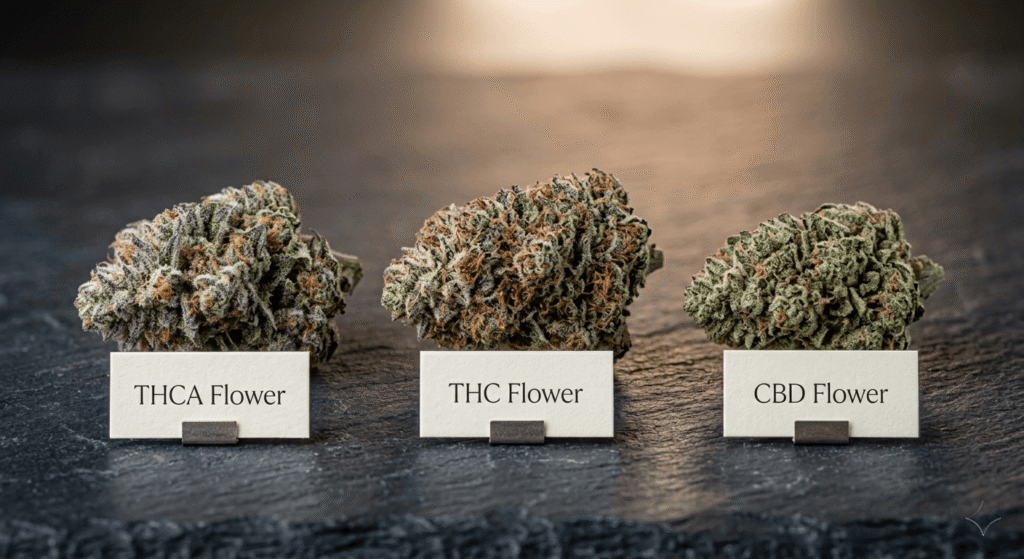
THCA Flower vs. THC and CBD Flower
| Feature | THCA Flower | THC Flower | CBD Flower |
|---|---|---|---|
| Main Cannabinoid | THCA (converts to THC when heated) | THC | CBD |
| Psychoactive (Raw) | No | Not available raw | No |
| Psychoactive (Heated) | Yes (THCA → THC) | Yes | No |
| Typical Content (%) | 18–30% THCA | 15–30%+ THC | 10–20%+ CBD |
| Legal Status (USA 2026) | Most forms illegal under “Total THC” law | Legal/controlled at state level only | Federally legal under Farm Bill |
| Drug Test Risk | High if heated (shows THC) | High | Low |
| Noted Wellness Benefits | Anti-inflammatory, neuroprotective* | Pain relief, anti-nausea, euphoria | Anti-anxiety, mild pain relief |
| Use Cases | Wellness (raw), recreation (heated) | Recreation, medicinal | Wellness, daily supplement |
| Average Price (3.5g, 2026) | $30–$60 | $40–$70+ | $10–$30 |
| Terpene Content | High in premium options | High in premium options | Variable |
*Most THCA wellness claims are based on animal/cell studies. Human clinical data is sparse.
Is THCA Flower Legal? (2026 Law Changes Explained)
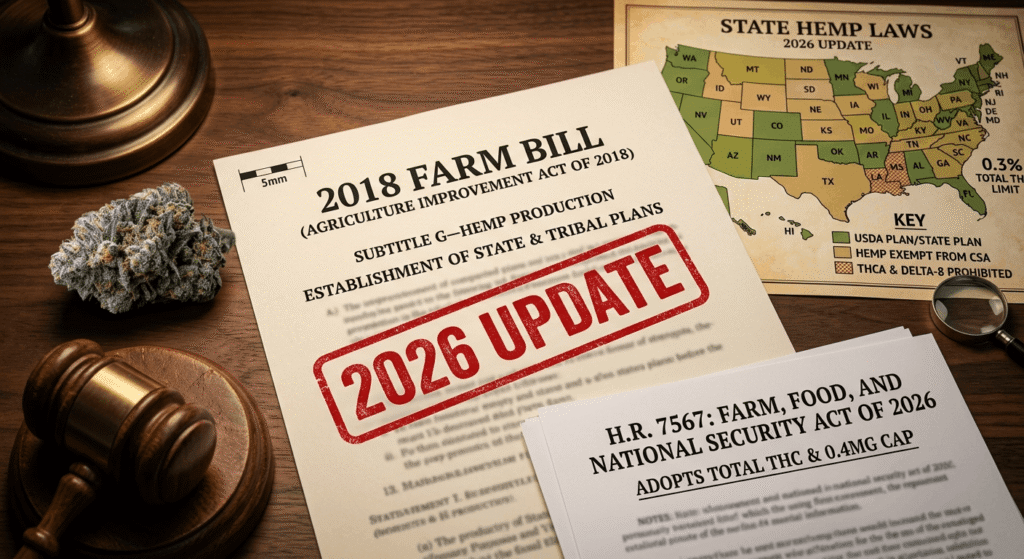
THCA flower surged in popularity following the 2018 Farm Bill, which legalized hemp-derived products with less than 0.3% delta-9 THC by dry weight. This loophole allowed thca flower to become mainstream, especially in regions with strict marijuana laws. By 2026, federal policy shifts dramatically.
On November 12, 2026, the new “Total THC” rule takes effect. The definition of legal hemp now includes both measured delta-9 THC and the potential THC from decarboxylated THCA. This change classifies nearly all thca flower as federally illegal marijuana due to high total THC content.
- What does this mean for consumers?
After November 2026, the majority of thca flower will be illegal to sell, buy, or ship across state lines unless THCA levels are extremely low. Some states already test by total THC and ban or restrict high-THCA hemp flower, so always verify your state’s specific rules. - Where to confirm legal status:
For the latest changes, consult updated hemp guidelines from the USDA, and check seller Terms & Conditions before purchasing.
Navigating State Differences
Some states with legal medical or recreational cannabis programs may allow adult-use marijuana products, which can include thca flower. Always consult state and local law and only purchase from vendors who clearly define their compliance path and supply transparent COAs.
Is THCA Safe to Smoke? Side Effects and Safety Considerations
The safety of thca flower is shaped by both its chemical properties and cultivation quality. Let’s examine both.
1. Raw THCA Flower:
Most users tolerate raw thca flower very well, with rare side effects that include mild dry mouth or stomach upset. Allergic reactions are extremely uncommon, but as with any herbal product, monitor for sensitivity. Long-term daily use has not been studied in humans, and individuals who are pregnant, breastfeeding, or taking certain medications should consult a healthcare provider first.
2. Heated/Smoked THCA Flower:
Once heated, thca flower becomes psychoactive THC and brings the full range of classic cannabis side effects. These may include anxiety, rapid heart rate, dry mouth, red eyes, and impaired coordination. Effects are usually temporary but can be intense for sensitive or inexperienced users. Recreational use should be approached with care, and never mix with driving or hazardous activity.
THCA Side Effects to Consider
THCA side effects extend beyond psychoactive conversion. Mild gastrointestinal upset and, much less commonly, allergic reactions have been reported with raw use. The primary risks come from contaminated or mislabeled products, making it absolutely essential to buy only from reputable sellers who share current lab results.
Role of Testing and Quality Control
Major health risks are typically linked to pesticides, heavy metals, or microbial contaminants in poorly grown or poorly stored flower, not the cannabinoids themselves. Always demand a valid COA for every batch and cross-reference vendor safety practices on their About and Lab Results pages.
Is THCA Safe to Smoke? Critical Takeaways
While thca flower itself has not been shown to be more harmful than traditional cannabis, its safety hinges on cultivation, proper storage, and responsible use. Always err on the side of cautious dosing and rigorous sourcing.
Common Mistakes When Using THCA Flower
Even experienced cannabis users can make missteps with thca flower due to its potency and evolving legal landscape. Avoid these common mistakes:
- Using Unverified Products:
Some brands lack credible lab testing or a public-facing About page. Only buy from those with transparent and up-to-date COAs. - Improper Dosing:
High-THCA flower is especially potent when heated, so always start with a low dose and titrate up slowly to your desired effect. - Poor Storage:
Improper storage conditions degrade cannabinoids and aromatic terpenes in cannabis trichomes. Always use airtight, light-blocking glass jars in cool environments. - Overheating During Raw Use:
Even brief exposure to heat can convert valuable THCA to THC, reducing the non-psychoactive benefits. Handle raw flower with care and avoid even mild cooking. - Legal and Shipping Oversights:
The rapidly changing status of thca flower creates legal risks. Shipping across state lines or purchasing from out-of-state vendors can lead to penalties. Review seller Shipping Information and Terms & Conditions carefully. - Neglecting Lab Report Reviews:
Always check the batch number, date, full cannabinoid panel, and contaminant screening on every COA. Reliable documentation gives you assurance of both potency and safety. - Relying on Social Buzz Alone:
While online reviews and Blogs are valuable for insight, always prioritize your own research and COA verification to ensure a consistently safe product.
Frequently Asked Questions
1. Does THCA Get You Higher Than Regular THC Flower?
THCA flower itself is not psychoactive when raw, but heating it converts the compound to THC. The resulting psychoactive effect is on par with top-tier dispensary cannabis, though not inherently stronger. The potency depends on the initial THCA concentration and quality of the flower, making thca flower a powerful option for those seeking a cannabis-like experience.
2. Can You Fail a Drug Test From THCA Flower?
Yes, you can fail a drug test when using thca flower if it is heated. When smoked or vaped, THCA converts to THC, which metabolizes into forms that standard drug screenings detect. Consuming strictly raw, unheated THCA poses a lower risk, but potential trace conversion means it is not completely safe for those subject to testing.
3. What Are The Main Cannabinoids in THCA Flower?
THCA is the central cannabinoid in thca flower, supported by smaller quantities of CBD, CBG, and sometimes minor cannabinoids like CBC. These, in combination with cannabis trichomes’ terpene content, contribute to the unique entourage effect believed to shape each flower’s qualities and wellness profile.
4. How Should You Store THCA Flower for Best Potency?
The best way to store thca flower is in an airtight glass container, placed in a cool, dark, and dry location. This approach safeguards sensitive cannabinoids and plant aromatics. For long-term storage, vacuum-sealing or refrigeration is sometimes used, but always re-acclimate flower to room temperature before opening to avoid condensation.
5. What Should I Look For in a Lab Report (COA) When Buying THCA Flower?
An ideal lab report clearly displays the thca percentage, delta-9 THC level (under 0.3% pre-2026 for hemp compliance), a comprehensive cannabinoid and terpene panel, and results of contaminant screening for pesticides, heavy metals, residual solvents, mycotoxins, and bacteria. Ensure listings include batch number and recent test date. Reputable sellers provide such documentation openly—see lab results for an example.
Conclusion
THCA flower stands out for its remarkable ability to offer both therapeutic wellness potential and a traditional cannabis experience, all in a single versatile product. As the legal landscape changes in 2026, understanding thca flower benefits, complying with local law, and prioritizing transparent, lab-tested products with verified COAs are essential steps for consumers seeking safety and satisfaction. By approaching this evolving cannabinoid thoughtfully, users in the US can responsibly explore the unique possibilities of thca flower.