Quick Answer Box: THCa hemp flower is a federally legal cannabis product containing high levels of tetrahydrocannabinolic acid (THCa) and less than 0.3% Delta-9 THC by dry weight. When heated, THCa converts to psychoactive THC, delivering effects similar to marijuana while complying with the 2018 Farm Bill.
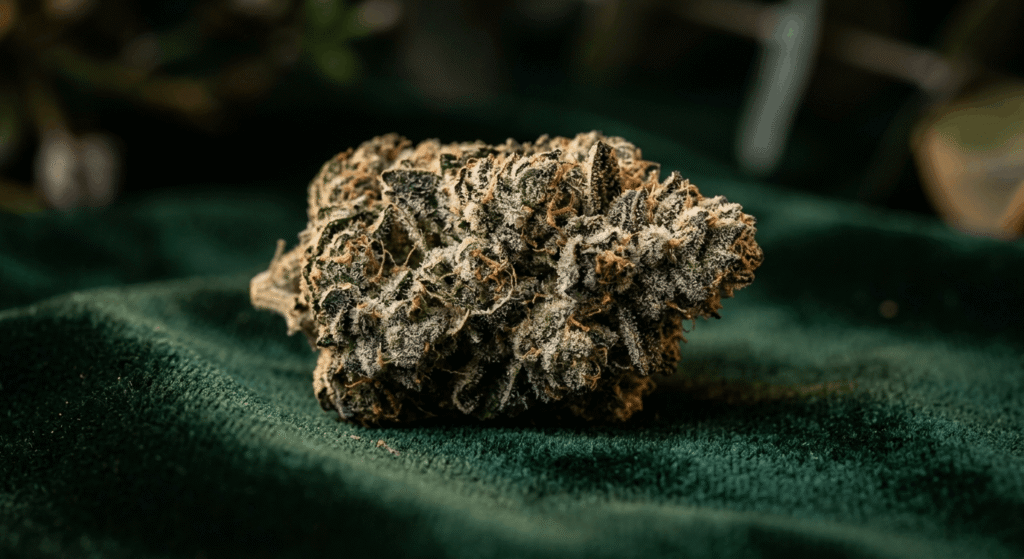
What is THCa Hemp Flower?
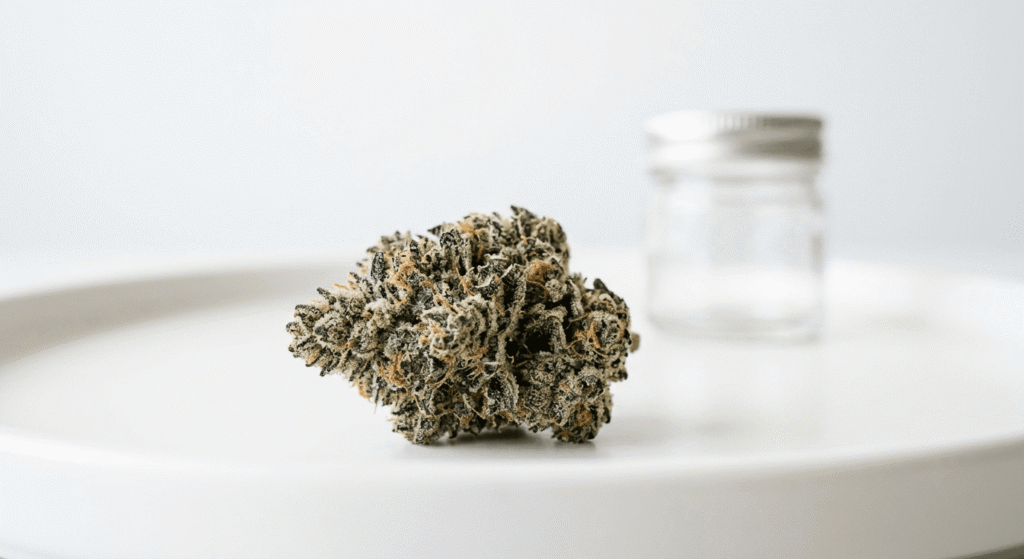
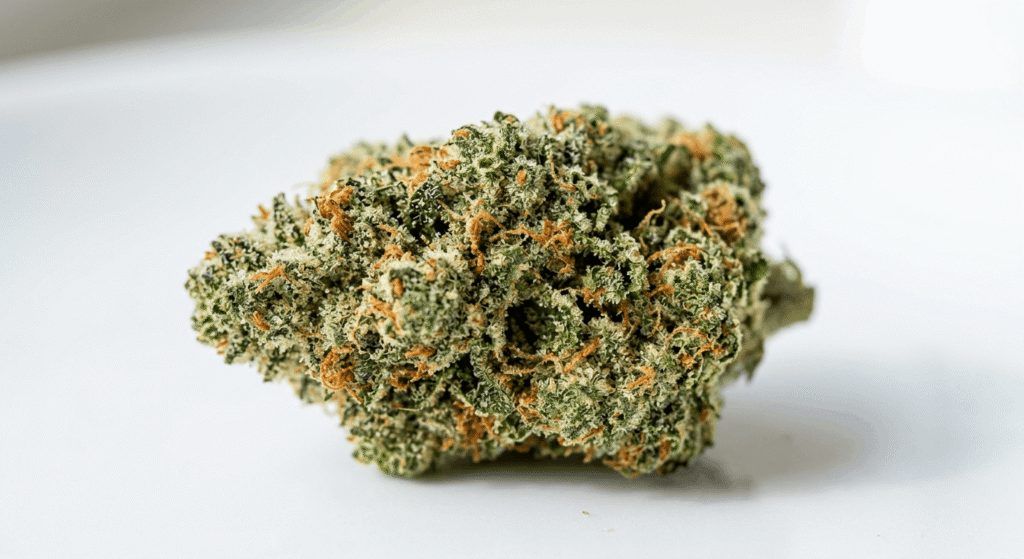
THCa hemp flower is the unprocessed blossom of Cannabis sativa, specifically bred to maximize tetrahydrocannabinolic acid (THCa) while keeping Delta-9 THC concentrations under the 0.3% federal threshold by dry weight. As a result, it remains legal to grow, buy, and use in most states under the 2018 Farm Bill, distinguishing it from both CBD hemp and traditional marijuana. In its natural state, THCa is non-psychoactive, but it changes into psychoactive THC through a process called decarboxylation, which occurs when the flower is smoked, vaped, or baked.
For consumers exploring cannabis alternatives—especially those in states with stricter marijuana laws—THCa hemp flower offers an accessible and compliant option. It continues to grow in popularity among U.S. buyers and is often available online through lab-tested hemp retailers.
The Rise of THCa Hemp Flower: Market Trends and Growth
Industry analysts from Grand View Research cite explosive demand for THCa hemp flower. The sector reached a value of $1.2 billion in 2023 and is forecasted to grow at an annual rate of 22.1% between 2024 and 2030. In the United States, THCa hemp flower now represents 40–55% of retail hemp sales within innovative and forward-leaning markets.
States such as Texas, Florida, and Tennessee are seeing the fastest adoption rates due to strict state cannabis regulations that drive consumers to seek legal alternatives. New Frontier Data reports that 43% of THCa hemp flower users are over 40 years of age and 62% reside in states without legalized recreational cannabis. Notably, women comprise 48% of the user base.
Premium indoor-grown THCa hemp flower commands prices from $32.99 to $39.99 for 3.5 grams, while wholesale rates begin at $100 per pound for smaller buds. Pre-rolls and diamond-infused options have surged in popularity, attracting both beginners and experienced cannabis enthusiasts.
Analysts predict that by 2026, the THCa segment will surpass CBD to become the highest-grossing part of the hemp sector, driven by its authenticity, psychoactive potential when heated, and a federal legal framework that enables broad distribution.
The Appeal of the Best THCa Hemp Flower
The best THCa hemp flower stands out for its high cannabinoid potency, vibrant terpene profiles, and verified lab results. Discriminating users look for premium indoor or organic batches, prioritizing brands that maintain third-party certification for quality and safety.
THCa Flower Effects: What to Expect
Understanding THCa flower effects begins with distinguishing between its raw and decarboxylated states. THCa, in its raw form, is not psychoactive. Emerging research suggests raw THCa may possess anti-inflammatory and neuroprotective qualities, though these applications remain under review and lack FDA approval. When the flower is heated, THCa undergoes decarboxylation, transforming into Delta-9 THC. At this stage, its effects become nearly identical to those of regulated cannabis:
- Euphoria and elevated mood
- Deep relaxation and physical tranquility
- Enhanced creativity and sensory perception
- Increased appetite (“munchies”)
- Potential for dry mouth or occasional mild anxiety
Reviews and consumer feedback frequently report that the experience with decarboxylated THCa flower mirrors traditional marijuana, especially for users in non-legal states. The onset and strength of effects can be pronounced for strains containing over 30% THCa.
Juicing or consuming the flower raw only delivers the non-psychoactive benefits linked to THCa and related cannabinoids, making it a valuable option for users pursuing wellness without euphoria.
THCa Flower Side Effects
While THCa flower side effects are primarily associated with its conversion to THC, potential unwanted effects include dry mouth, eye redness, increased appetite, drowsiness, rare instances of anxiety, or mild stomach upset. Since heating activates psychoactivity, anyone subject to drug testing or sensitive to THC should exercise caution. Unheated THCa in raw form carries a much lower risk for these effects.
THCa Flower Wellness and Psychoactivity
Heightened interest in THCa flower includes its possible wellness roles, but most users are drawn to its rapid shift into psychoactive THC after heating. Individuals who use THCa flower for medical or recreational purposes report results closely matching those of state-licensed cannabis.
Organic THCa Flower: Why Purity and Quality Matter
Organic THCa flower is prized for its commitment to safety, purity, and a refined sensory experience. Organic growers avoid synthetic pesticides, herbicides, and chemical fertilizers, typically cultivating in controlled indoor or greenhouse environments. Practices such as hand trimming, small-batch harvesting, and living soil cultivation help maximize trichome expression and preserve robust terpene flavors.
Consumers who select organic THCa flower benefit from:
- Lower risks of pesticide, mold, or heavy metal exposure
- Smoother inhalation and richer aroma
- Transparent traceability from seed to saleIm
- proved effects from preserved cannabinoid and terpene profiles
Brands in this category often publish their cultivation methods and maintain third-party certifications, helping wellness-oriented consumers, connoisseurs, and those with allergies trust the safety and consistency of their THCa hemp flower.
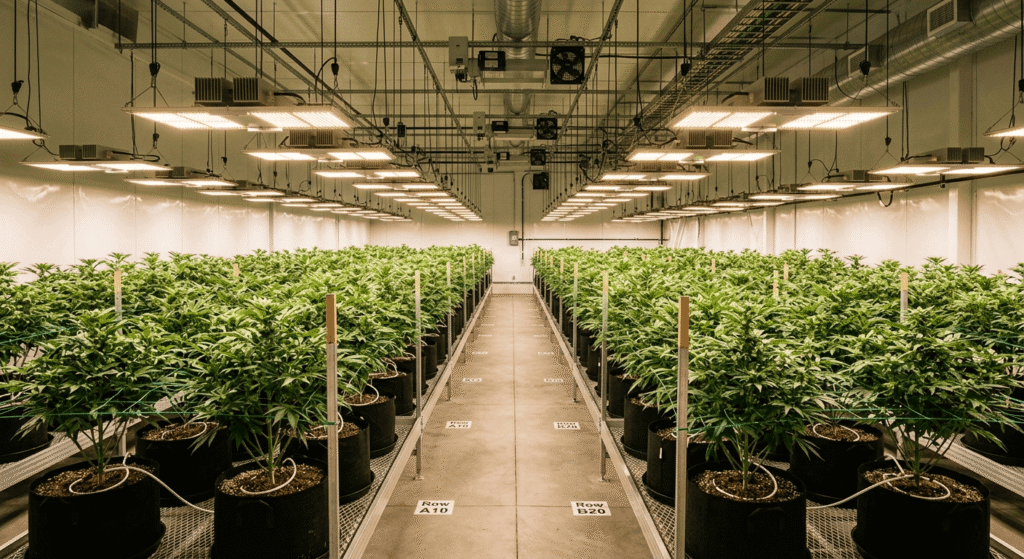
For guidance on certified organic options, visit About Co Exotics or check a product’s lab results page for cultivation details.
Lab Tested THCa Flower and Understanding THCa Lab Results
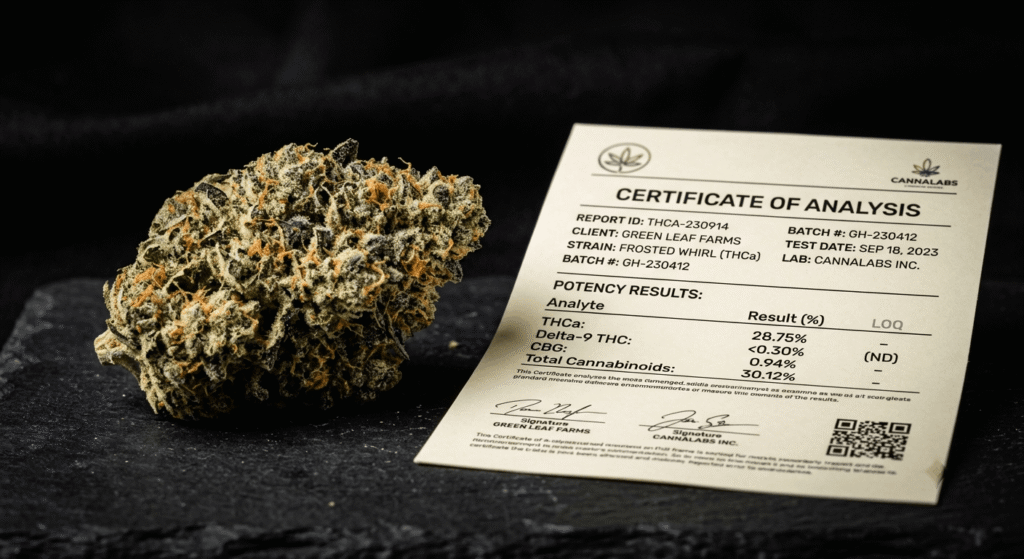
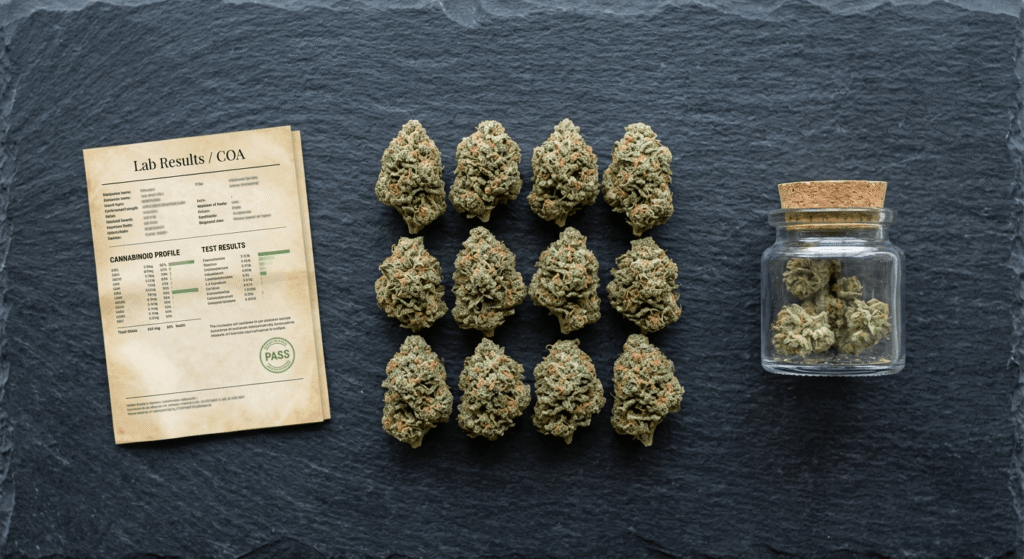
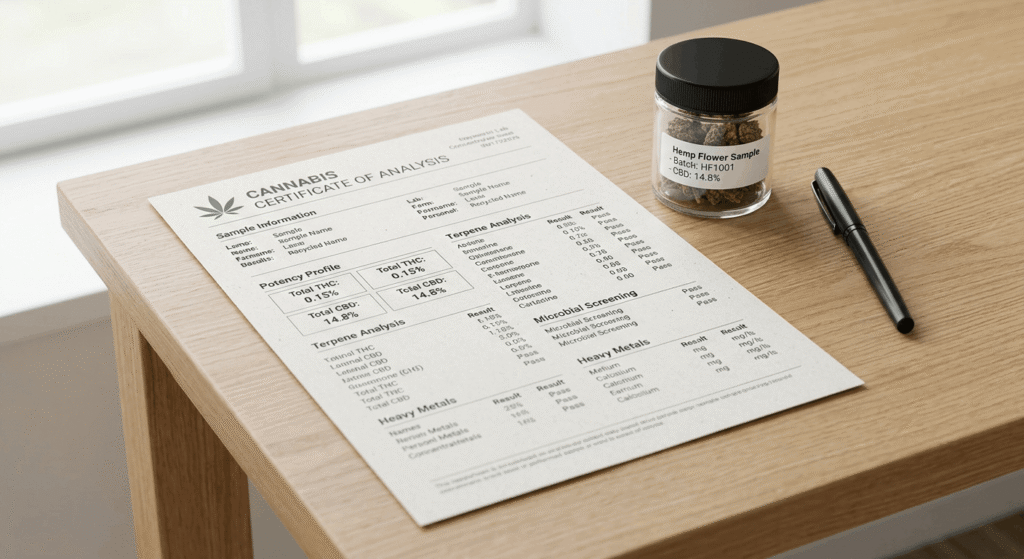
Choosing lab tested THCa flower is crucial for consumer safety and legal compliance. Every reputable product should be accompanied by a certificate of analysis (COA), issued by a third-party, ISO-accredited laboratory. A thorough COA discloses:
- THCa (%): Indicates psychoactive potential after heating. High-quality flower often ranges from 20% to 33%+.
- Delta-9 THC (%): Federal standards mandate this be under 0.3% by dry weight.
- Full Cannabinoid Profile: Lists all present cannabinoids, including CBD, CBG, Delta-8, and Delta-10 THC.
- Contaminant Screening: Tests for pesticides, mycotoxins, heavy metals, and solvents.
Reputable retailers, like Co Exotics, provide transparent THCa lab results on dedicated web pages. Lab tested THCa flower confirms not only potency and compliance, but also ensures a safer experience. Products lacking accessible or recent lab results should be avoided.
Interpreting THCa Lab Results
Understanding thca lab results helps consumers make informed decisions. Look for current batch numbers, high THCa percentages for potency, and negative contaminant tests. For those seeking the highest thca hemp flower, select batches that consistently show THCa levels above 25%, as documented by up-to-date COAs.
How to Use THCa Flower
THCa hemp flower provides a flexible range of consumption methods suitable for different goals, from wellness to recreation. If you are wondering how to use thca flower, follow these steps for best results:
- Select Your Intent:
Decide if your goal is non-psychoactive wellness (raw) or psychoactive effects (heated).
-Raw: Use in juices, smoothies, or salads.
-Heated: Choose smoking, vaping, baking, or infusing into edibles. - Grind the Flower: Gently break down the flower for even heat exposure in smoking, vaping, or cooking. A clean grinder preserves terpene integrity.
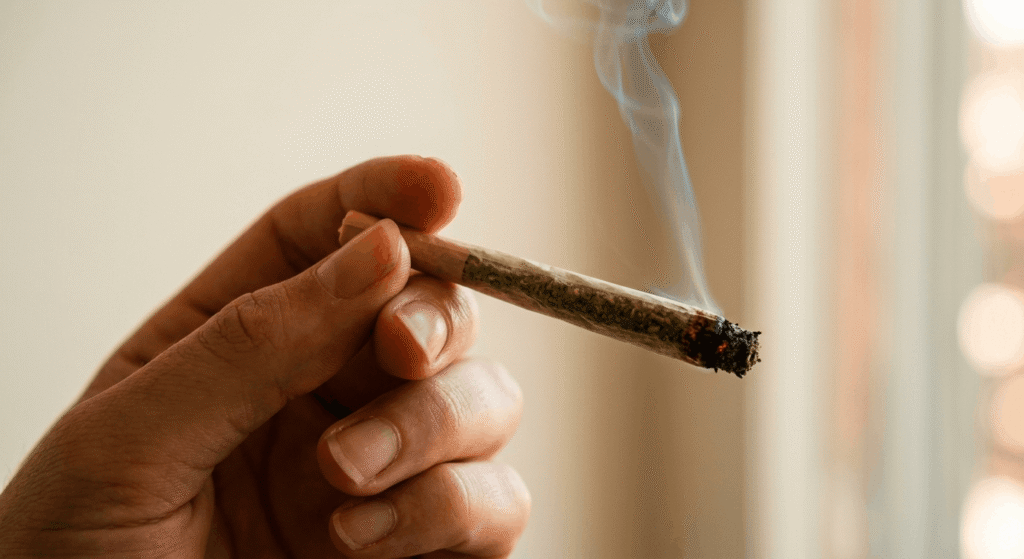
- Smoking: Roll the flower into joints or use a pipe. Light evenly, inhale slowly, and expect onset within minutes.
- Vaping: Load a dry herb vaporizer and set it to 350–400°F, activating THCa through decarboxylation for a smoother, terpene-rich effect.
- Edibles & Infusions: Start by decarboxylating the flower in an oven at 220–240°F for 30–40 minutes, then mix into oils or butter before cooking with it.
- Raw Blending/Juicing: For those avoiding intoxication, blend or juice fresh flower for possible wellness benefits.
- Storage: Preserve potency by sealing the flower in a lightproof jar and storing it in a cool, dark place.
Beginners should use low-potency strains or minimal amounts, as the best thca hemp flower can be especially strong. Always start with a small portion and give the effects time to emerge before consuming more.
Decarboxylation: Unlocking the Potency of THCa
Decarboxylation is the necessary chemical process that transforms non-psychoactive THCa into psychoactive THC. It occurs automatically through heating methods such as smoking, vaping, or baking.
- Process: Heating to 220–240°F removes a carboxyl group, converting THCa into active THC.
- Impact: The new THC molecules interact with brain cannabinoid receptors, yielding the high of marijuana.
- Significance: Only decarboxylated THCa delivers full cannabis effects, so this step is crucial for psychoactive consumption.
- Pro Tip: When preparing edibles, decarboxylate the flower in an oven before infusing it into fats like butter or oil.
For a deeper look at home decarboxylation thca, check the related blog in our Blogs section.
Tips for First-Time THCa Flower Users
If it’s your first time with THCa hemp flower, keep these tips in mind:
- Begin with a single puff or low-dose edible to gauge your reaction.
- Wait 30 to 60 minutes before increasing your consumption.
- Rely on lab tested thca flower to avoid contaminants and confirm potency.
- Avoid operating vehicles or machines until you know personal effects.
- Store all flower products out of reach of children and pets.
- For purely wellness benefits, consume the flower raw (juiced or blended).
Practicing safe storage, gradual dosing, and always seeking up-to-date lab results are key to a positive experience.
Comparing THCa Hemp Flower to CBD Flower and Marijuana
Below is a comparison table to help you understand the essential differences and similarities among thca hemp flower, CBD hemp flower, and conventional marijuana.
| Feature | THCa Hemp Flower | CBD Hemp Flower | Traditional Marijuana |
|---|---|---|---|
| Main Cannabinoid | THCa | CBD | Delta-9 THC |
| Delta-9 THC Content | < 0.3% (federally legal) | < 0.3% (federally legal) | 10–30% (illegal federally, legal in regulated states) |
| Psychoactive When Raw | No | No | Sometimes (if THC present) |
| Psychoactive When Heated | Yes (converts THCa→THC) | No | Yes |
| Medical Use | Under research/non-FDA approved | Wellness, epilepsy, anxiety | Medical + recreational |
| Federal Legal Status | Legal under 2018 Farm Bill | Legal under 2018 Farm Bill | Illegal (unless state-licensed) |
| Product Formats | Flower, pre-rolls, blunts, dabs | Flower, pre-rolls, tinctures | Flower, vapes, edibles |
| Lab Testing Available | Yes (should have COA) | Yes (should have COA) | Sometimes (dispensary) |
For a more detailed cannabinoid comparison, see our blog on THCa vs Delta 8.
Common Mistakes When Buying or Using THCa Hemp Flower
Mistakes can occur from lack of education, improper storage, or disregarding safety steps. Here are some key pitfalls to avoid:
- Assuming universal legality: Although federally legal, certain states prohibit or restrict THCa. Research state laws carefully before ordering or traveling.
- Ignoring lab reports: Without reviewing a COA, you risk exposure to illicit Delta-9 THC levels or unsafe contaminants.
- Poor storage habits: Air, heat, and light degrade cannabinoids. Use airtight containers away from warmth and direct light.
- Consuming too much: THCa-rich strains can produce unexpectedly intense effects, especially for new users. Begin with a conservative dose.
- Believing raw flower is psychoactive: Only heated or decarboxylated flower yields traditional THC effects. Eating flower raw won’t get you high.
- Ordering from unreliable sellers: Only buy from reputable retailers with published lab results.
- Overlooking shipping restrictions: Some companies cannot ship to states with bans. Consult each retailer’s Shipping Information before placing an order.
Careful purchasing and informed use lead to safer, more reliable experiences with THCa hemp flower. For legal guidance and product selection, refer to our Shop page.
FAQs
1. Is THCa hemp flower legal in all U.S. states?
THCa hemp flower is federally legal under the 2018 Farm Bill provided it contains less than 0.3% Delta-9 THC by dry weight. However, state regulations vary, and several states ban or restrict THCa products. Always consult the official USDA Farm Bill summary and your state’s current cannabis laws before purchasing or shipping hemp flower.
2. What are the side effects of THCa flower?
THCa flower side effects usually arise from its conversion to THC after decarboxylation. Common effects can include dry mouth, red or irritated eyes, increased hunger, fatigue, and, in rare cases, anxiety or mild digestive concerns. There’s also a risk of failing a drug screen due to activated THC in your system. Consuming THCa flower raw is less likely to produce these effects.
3. How is the highest THCa hemp flower measured or classified?
The highest thca hemp flower is identified by the “Total THCa” percentage listed on the product’s lab-tested COA. Premium batches often show THCa levels in the 25–33% or higher range. Always verify the batch number and THCa percentage when shopping for potent options. For assurance, browse only lab-tested product listings.
4. Can I use organic THCa flower for edibles?
Yes, organic thca flower is suitable for edibles as long as you decarboxylate it first—this “activates” the THC. Bake ground flower at 220–240°F for 30–40 minutes, then infuse into butter or oil for cooking. Organic options reduce contaminant risks, which is important for medical and wellness applications. For more details, read our terms and conditions.
5. How can I verify if my THCa flower was lab tested?
Lab tested thca flower comes with a recent certificate of analysis (COA) from an accredited independent laboratory. Look for this documentation on product packaging, retailer websites, or dedicated online Lab Results pages. Confirm the product’s batch, THCa percentage, and contaminant results before buying.
The Future of THCa: Trends and What’s Next
The future of thca hemp flower will depend on evolving regulations, market education, and innovation within the cannabis sector. Major themes include:
- Market expansion: Experts forecast THCa hemp flower will become the largest source of hemp industry revenue by 2026, outpacing CBD.
- Product innovation: Consumers will see new offerings such as diamond-infused flower, multi-layer blends, and small-batch limited releases.
- Regulatory tightening: Increased psychoactive awareness may drive updates in labeling, compliance, and federal or state oversight.
- Safety transparency: Brands will compete by promoting thorough COA documentation, organic verification, and clear ingredient sourcing.
- Technological progress: Advances in growing, AI-driven strain selection, and precision decarboxylation could boost potency, consistency, and consumer trust.
For regular updates about the future of thca and to discover emerging brands and trends, visit our Blogs section or reach out through our Contact page.
Conclusion
THCa hemp flower stands at the forefront of the cannabis marketplace, delivering a legal and potent alternative to marijuana thanks to its unique chemical profile and federal compliance. By understanding its effects, the necessity for organic and lab-tested products, modern usage practices, and the rapidly changing future, consumers can confidently choose—and safely enjoy—the full potential of THCa hemp flower. Stay informed and choose trusted retailers to experience the best in legal, lab-tested THCa hemp flower.