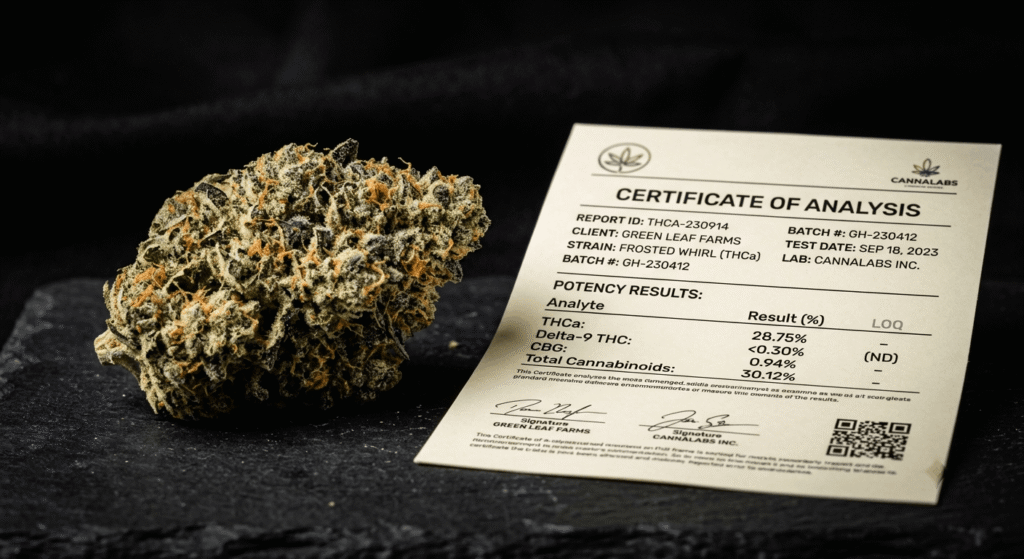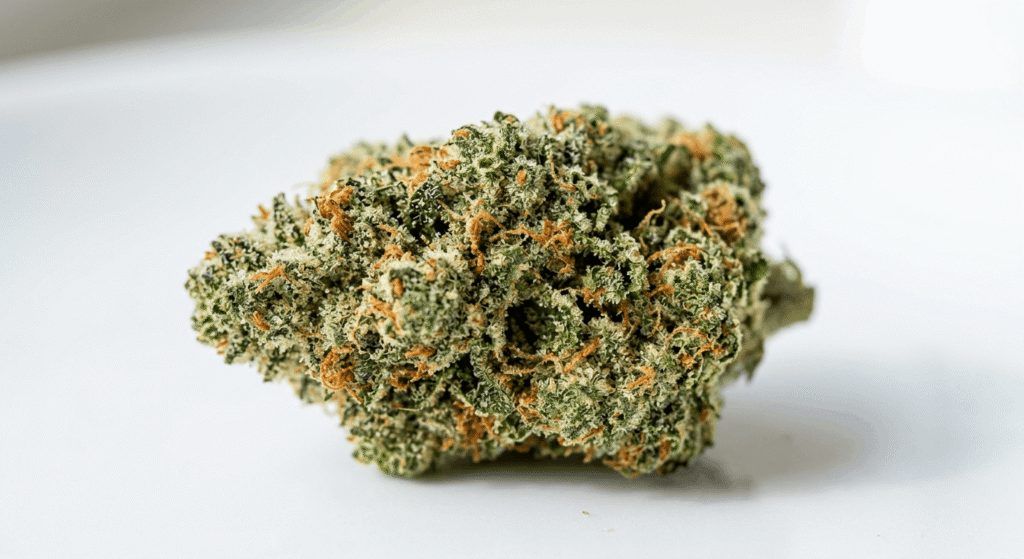
Quick Answer Box: The best THCa strains for relaxation in 2026 are indica-leaning flowers built around myrcene and linalool, two terpenes tied to calming, body-heavy effects. Look for lab-tested, Farm Bill compliant THCa flower with a published Certificate of Analysis before you buy, so the potency and terpene content on the label actually match what’s in the jar.
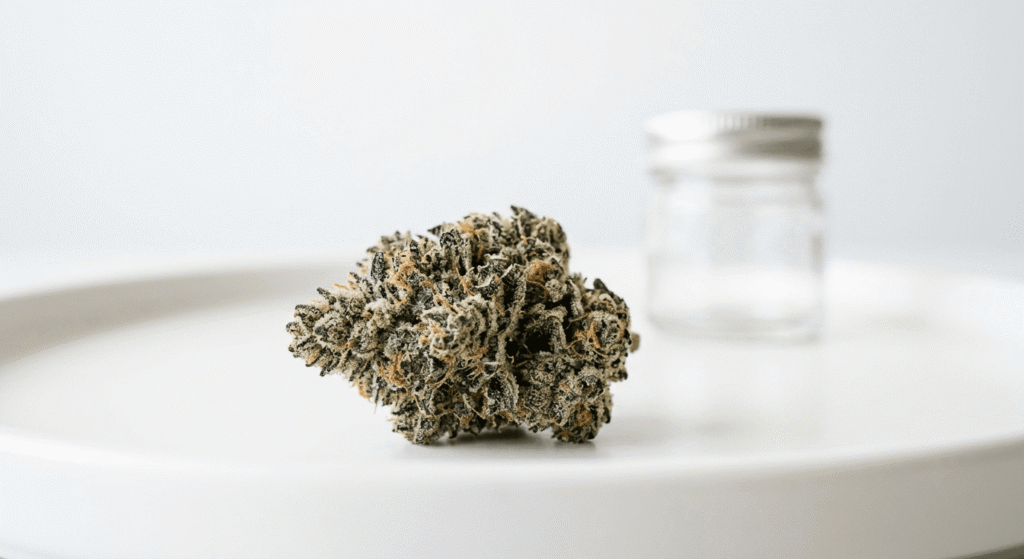
What to Look For in the Best THCa Strains for Relaxation
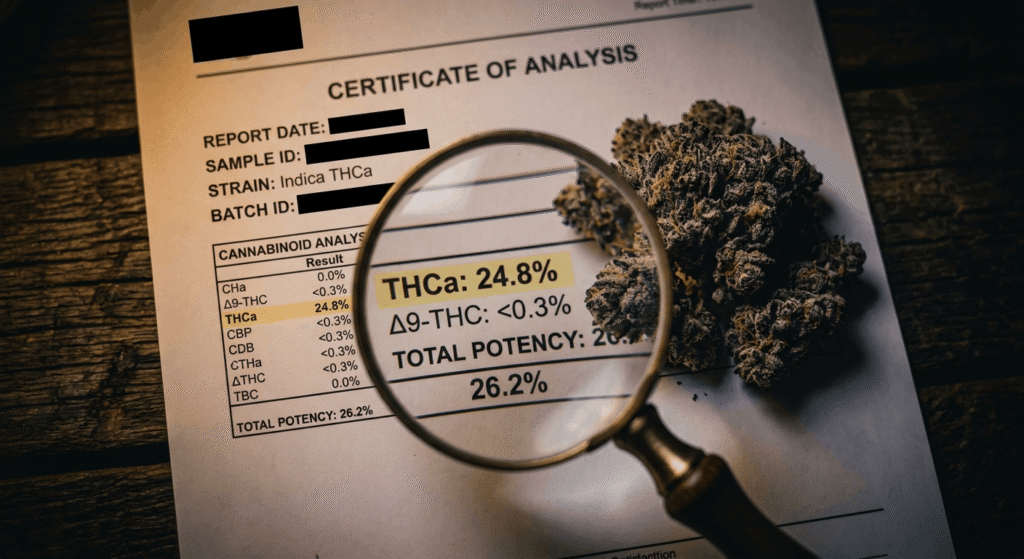
Not every THCa strain relaxes you the same way. The best THCa strains for relaxation pair strong potency with indica-leaning genetics and a terpene profile built around myrcene, linalool, or beta-caryophyllene. Lab data matters just as much as the strain name on the jar. A Certificate of Analysis confirms cannabinoid and terpene percentages, so you’re not guessing whether a strain will actually deliver a calm, sink-into-the-couch evening.
Before you buy, run through this checklist:
- THCa potency in the 20 to 30 percent range for a noticeable body effect
- Myrcene, linalool, or caryophyllene listed as a dominant terpene
- Indica or indica-dominant genetics for evening use
- Third-party lab results available for the specific batch
- Hemp-derived sourcing that meets current federal THC limits
Shoppers browsing our THCa flower collection will notice these details vary a lot batch to batch, even within the same strain name. That’s normal. Indoor-grown flower tends to hold onto terpenes better than outdoor or greenhouse crops, which is one reason relaxation-focused strains from controlled grows test more consistently.
Which THCa Strains Are Best for Relaxation in 2026?
Indica-dominant genetics still lead the pack for relaxation, but a handful of hybrids now deliver calm without the heavy couch-lock some users want to avoid. The strongest picks combine high THCa with myrcene or caryophyllene as the dominant terpene, since that pairing is what drives the body-heavy, tension-releasing effect most shoppers associate with a good indica THCa strain.
Indica THCa Strains for Deep Relaxation
Northern Lights remains a benchmark for pure indica relaxation, prized for decades for its heavy, body-focused calm. Newer cultivars have caught up on potency, though. Grape Gasoline tests in the 23 to 28 percent THCa range on premium cuts, with a myrcene, caryophyllene, and ocimene profile that produces deep physical ease without feeling disorienting. Grape Frosty runs similarly high, 22 to 26 percent THCa, on a myrcene and caryophyllene base, and delivers the steady body-heavy sink that indica seekers specifically shop for. If you want something less demanding, Purple Afghani and Frozen Biscotti are common go-to picks for evening wind-down and sleep support.
| Strain | Dominant Terpenes | Best For |
|---|---|---|
| Northern Lights | Myrcene | Classic deep-body relaxation |
| Grape Gasoline | Myrcene, caryophyllene, ocimene | Heavy relaxation without disorientation |
| Grape Frosty | Myrcene, caryophyllene | Steady, building body calm |
Hybrid THCa Options for a Lighter Touch
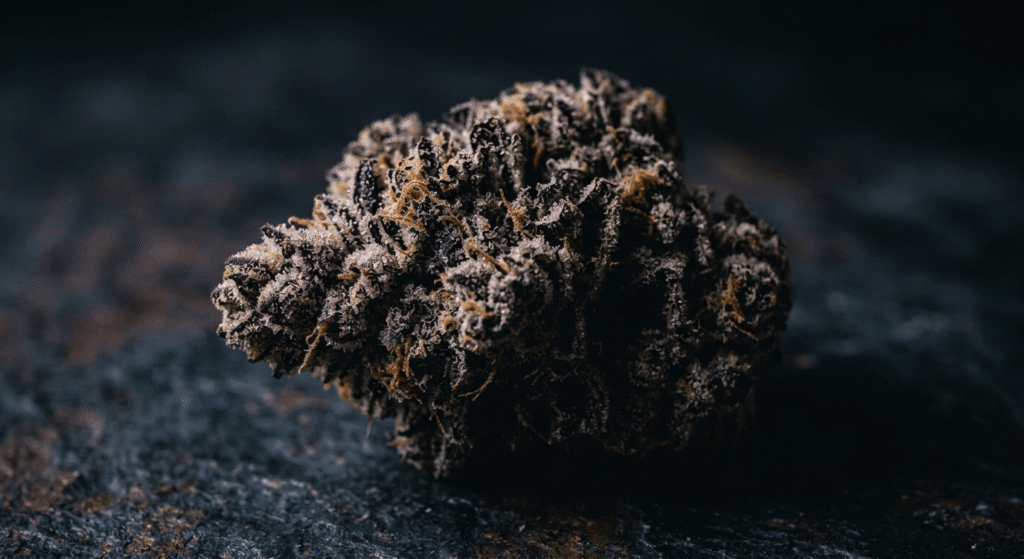
Not everyone wants full couch-lock. Lemon Cherry Gelato opens with a mood lift, then settles into a physical calm that builds over about 15 minutes, without crossing into sedation. It’s a fit for people who want to stay conversational while their body loosens up. Dutch Treat splits the difference too, pairing a relaxed body feel with a clear head rather than heavy drowsiness.
Genetics only tell part of the story, though. How indica genetics shape restorative effects has more to do with terpene chemistry than the indica or sativa label alone, which is why two “indica” strains can feel completely different. For the most predictable results, stick with indoor-grown THCa flower, where controlled temperature and humidity protect the fragile terpenes that drive relaxation in the first place.
What Terpenes and Cannabinoids Make THCa Flower Calming?
Calming terpenes do most of the heavy lifting behind a relaxing THCa strain. Myrcene, linalool, and beta-caryophyllene each interact with different pathways in the body, and strains that combine two or three of them tend to feel more rounded than single-terpene flower.
Myrcene: The Body-Relaxation Terpene
Myrcene is the most abundant terpene in cannabis and the one most consistently linked to sedation. In a mouse study on insomnia, researchers found that <cite index=”28-1″>beta-myrcene increased neurotransmitter levels of GABA, serotonin, and glutamate in the hypothalamus, working through the serotonergic synaptic pathway to improve sleep outcomes</cite>. That mechanism lines up with what users report: a heavy, muscle-relaxing effect that builds gradually rather than hitting all at once.
Linalool and Caryophyllene: Calm Without Couch-Lock
Linalool, the same terpene found in lavender, tends to produce a quieter, less physically heavy version of calm. Beta-caryophyllene works differently still. Research on cannabis terpenes for chronic pain found that <cite index=”34-1″>beta-caryophyllene produced anxiolytic and antidepressant effects in mouse models by modulating benzodiazepine and GABA-A receptors alongside serotonergic pathways</cite>, which helps explain why caryophyllene-heavy strains feel grounding rather than sedating. Strains that stack myrcene with linalool or caryophyllene, rather than relying on myrcene alone, tend to feel more balanced.
Legal status matters here too. Hemp-derived THCa flower is currently legal under the 2018 Farm Bill at 0.3 percent or less delta-9 THC on a dry-weight basis. That’s changing. Congress passed a new hemp definition in November 2025 that shifts the standard to <cite index=”21-1″>a total-THC concentration, which now factors in THCA and delta-8 THC rather than delta-9 alone</cite>, with the new rule taking effect November 12, 2026. Until then, Farm Bill compliant flower still means checking the current label. Reputable growers publish lab-tested THCa results for every batch, so buyers can confirm cannabinoid totals stay within federal limits well ahead of the deadline.
Terpenes rarely act alone, either. The entourage effect between cannabinoids and terpenes is part of why a full-spectrum flower often feels more relaxing than an isolated compound at the same dose.
Frequently Asked Questions
1. Is lab-tested THCa flower necessary for relaxation strains?
Yes. Terpene content, which drives the relaxing effect, degrades with poor storage and varies by harvest. A Certificate of Analysis confirms the actual myrcene, linalool, and THCa percentages in your specific batch instead of relying on the strain name alone.
2. Do indica THCa strains cause too much sedation for daytime use?
It depends on potency and terpene ratio. A few guidelines help:
- High-myrcene strains above 25 percent THCa are best saved for evening
- Caryophyllene-forward hybrids tend to relax without heavy drowsiness
- Lower-potency indicas, in the high teens, work better for daytime calm
- Starting with a small dose limits unwanted grogginess
3. Will THCa strains for relaxation stay legal after November 2026?
Current hemp-derived THCa flower is legal under the 2018 Farm Bill’s delta-9 THC standard. A new total-THC definition takes effect November 12, 2026, and several bills in Congress are seeking to delay or amend it, so buyers should watch for updates as the deadline approaches.
4. How much relaxing THCa flower should a beginner start with?
Start small. A single inhalation of a myrcene-forward strain is often enough to gauge tolerance, since THCa converts to THC through heat and hits harder than the raw flower’s label percentage suggests. Wait at least 15 minutes before deciding whether to take more.
5. What’s the difference between THCa and CBD for relaxation?
THCa converts to intoxicating THC when heated, producing the body-heavy calm associated with indica strains. CBD doesn’t convert to THC and produces a milder, non-intoxicating relaxation instead. Some relaxing THCa flower is bred with a higher CBD ratio specifically to soften the high while keeping the calming effect.
Conclusion
The best THCa strains for relaxation in 2026 come down to two things: indica-leaning genetics and a terpene profile heavy on myrcene, linalool, or caryophyllene, backed by a lab report you can actually check. Whether you lean toward a classic like Northern Lights or a gentler hybrid like Dutch Treat, matching the terpene profile to the kind of calm you want makes the biggest difference. Browse Co Exotics’ current lineup to find a batch with lab results that match what you’re after.