Quick Answer Box: A THCA Certificate of Analysis (COA) provides lab results verifying the potency, safety, and legal compliance of lab tested THCA flower. Reading a COA allows buyers to confirm product quality, ensure compliance with hemp laws, and assess a supplier’s reliability before purchase.
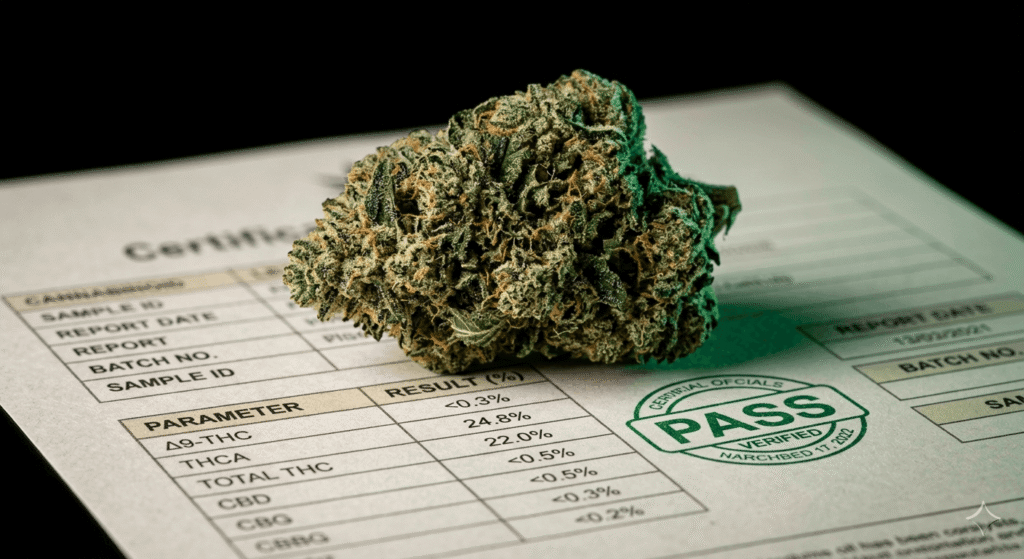
What is a THCA Certificate of Analysis (COA)?
A THCA Certificate of Analysis (COA) is an official lab report that verifies the potency, purity, and safety of a batch of lab tested THCA flower. It lists cannabinoid content, checks for contaminants, and confirms lab accreditation. By analyzing a COA, buyers can ensure the flower’s compliance, quality, and transparency before buying.
Why Lab Tested THCA Flower Matters
Lab tested THCA flower ensures that buyers receive safe, potent, and compliant products. Industry-standard testing through accredited labs screens for pesticides, heavy metals, and microbial contaminants that may be harmful. Each lab report also verifies the full cannabinoid profile, which is vital for legal compliance and user experience. Purchasing from suppliers that provide updated lab results shields consumers from mislabeled, contaminated, or illegal products.
Understanding Cannabis Lab Testing and Accreditation
Cannabis lab testing is the backbone of safe, legal THCA flower sales. Reliable lab results are only possible through independent, ISO/IEC 17025-accredited laboratories. This international standard confirms strict protocols, staff expertise, and accurate data reporting.
Accreditation is vital: it guarantees that the lab’s procedures and equipment meet rigorous quality benchmarks. Only results from such accredited labs should be trusted for compliance and consumer safety. Relying on in-house or unaccredited testing puts buyers and sellers at risk.
Well-known institutions like ACS Laboratory and ProVerde Laboratories demonstrate these high standards and frequently appear in COAs from verified THCA suppliers. Before completing a purchase, always verify the lab’s accreditation mark on each COA or visit the supplier’s Lab Results or About page.
Cannabis Lab Testing Accreditation: Why It Matters
Accreditation through ISO/IEC 17025 requires validation of the lab’s testing methods and regular audits. This process means that cannabis potency testing, contaminant panels, and all other reported metrics are held to unbiased, global standards. For THCA flower buyers, this ensures consistency, reliability, and safety.
Key Sections of a THCA COA
Each THCA COA divides test results into major panels. Understanding what each section includes gives buyers a framework to identify quality and compliance.
Cannabinoid Potency Testing Explained
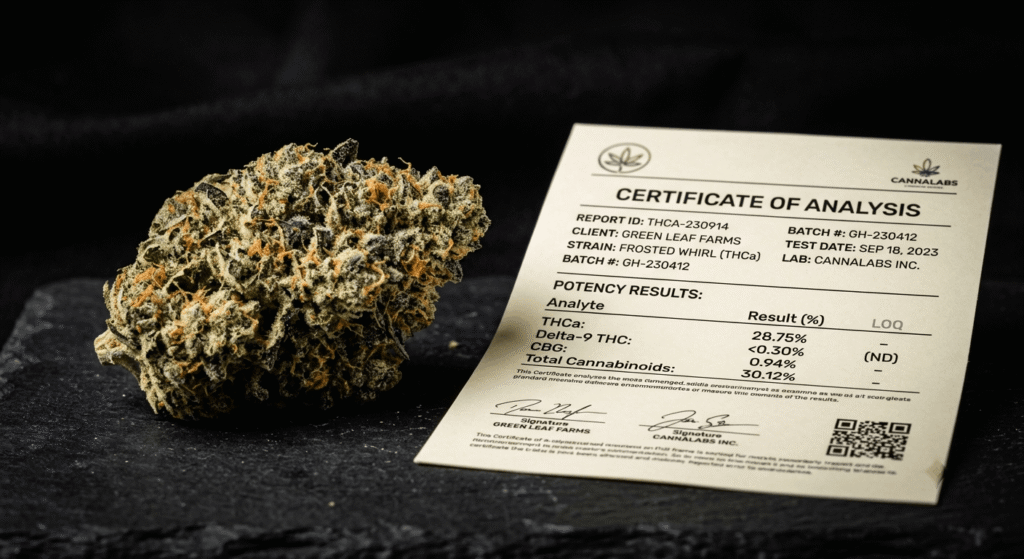
The cannabinoid panel reveals the concentration of active compounds in the flower. Details typically include:
- THCA (%): The dominant cannabinoid in raw flower, which converts into Delta-9 THC through heat or time.
- Delta-9 THC (%): The psychoactive compound under federal and state regulation.
- Total THC (%): Calculated as (THCA x 0.877) + Delta-9 THC, this figure predicts the flower’s true intoxicating potential.
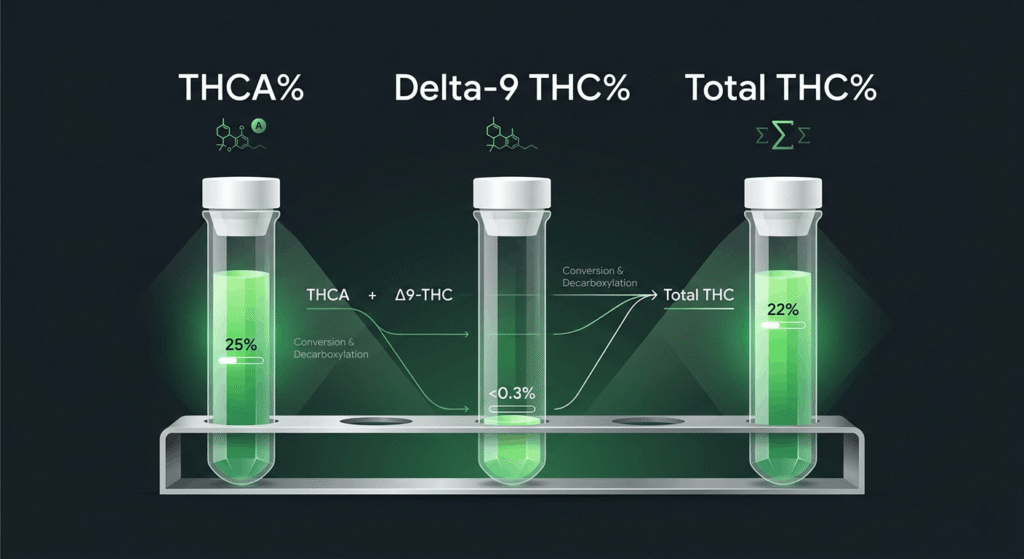
For federal legality, Delta-9 THC content must be below 0.3% by dry weight. After November 2026, only flower with total THC below 0.3% will be allowed for legal sale. Top-shelf THCA flower commonly features 18–32% THCA but must always keep total and Delta-9 THC within compliant ranges.
Terpenes in Lab Results
Terpenes are natural compounds responsible for cannabis’s aroma, taste, and effects. On many COAs, a dedicated terpene panel lists levels of compounds such as myrcene, limonene, pinene, and linalool.
Reviewing the terpene section lets buyers choose flower varieties based on flavor or desired effect and helps avoid allergens. Suppliers who provide full terpene data, like those specializing in lab tested THCA flower, demonstrate above-average transparency and product quality. For more about how different terpenes influence THCA flower effects, refer to our article on terpene effects in thca flower.
Contaminant Panel:
The contaminant panel is indispensable for product safety. Accredited labs run checks for:
- Pesticides: Harmful farming chemicals that become even more toxic if combusted.
- Heavy Metals: Dangerous elements like lead, mercury, arsenic, and cadmium. All must show “pass.”
- Residual Solvents: Should be “not detected” or under action limits.
- Microbials and Mycotoxins: Includes bacteria, mold, and their toxins, which can be hazardous, particularly for users with compromised immunity.
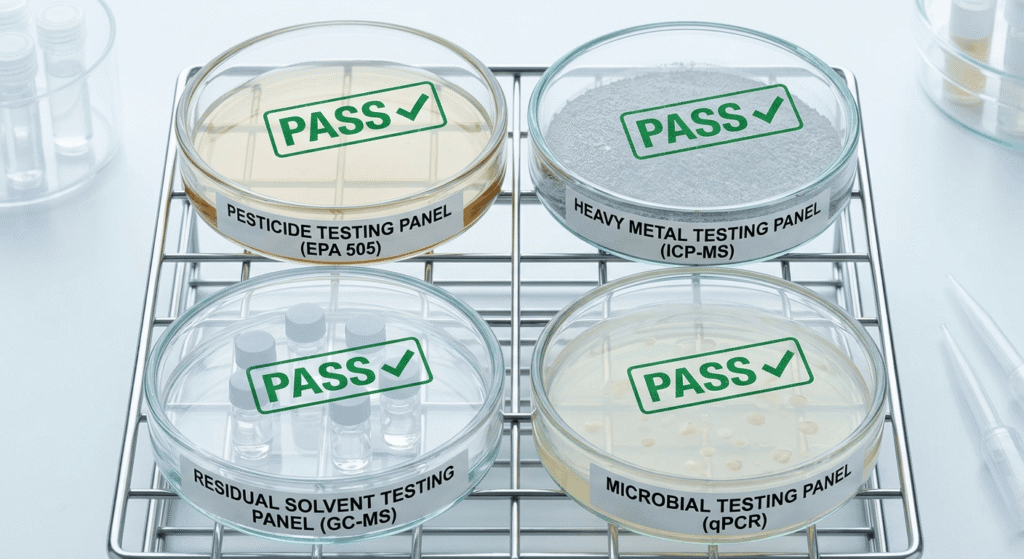
Every panel should show only “pass” or “ND” (not detected) results. The absence of any panel or a “fail” result calls the entire batch’s safety into question. Leading brands such as Passion Farms and Secret Nature include these panels in every COA, accessible through dedicated Lab Results listings.
How to Read a THCA COA
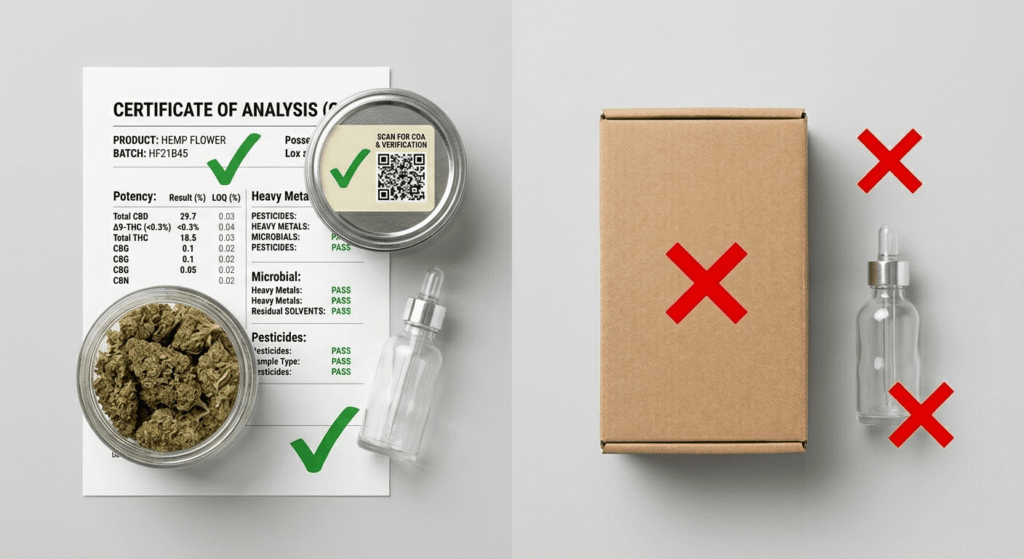
Understanding how to read a THCA Certificate of Analysis ensures that you make an informed, safe purchase every time. Use this checklist to evaluate any COA:
- Confirm Lab Accreditation and Name
Start by checking if the lab is ISO/IEC 17025-accredited. Laboratories like ACS, Kaycha, or ProVerde provide certifications either directly on the COA or their websites. Products tested only “in-house” or with unaccredited results should be avoided. - Match Batch Number to Product Label
Check that the COA’s batch (or lot) number matches the number on your product’s packaging or receipt. A mismatch signals authenticity or safety concerns and warrants caution. - Verify Test Date for Recency
COAs should be recent dated within the past 6 months, and never over 12 months old. Aging affects both safety and potency. Reputable suppliers like Co Exotics consistently update Lab Results to reflect the latest batches. - Review Cannabinoid Potency and Compliance
Find the cannabinoid panel and verify both THCA % and Delta-9 THC %. For current law, Delta-9 THC must be under 0.3%. From November 2026, “total THC” (THCA x 0.877 + Delta-9 THC) will also need to be below this threshold. This is a crucial part of cannabis potency testing and the evolving total thc rule thca 2026. - Analyze Terpene and Contaminant Panels
Check if a terpene panel is included for guidance on aromas and effects. More importantly, ensure that all contaminant panels pesticides, heavy metals, solvents, and microbials display a “pass” or “not detected” status. A single failure eliminates the product’s candidacy. - Authenticate the COA Using QR Code or Online Resources
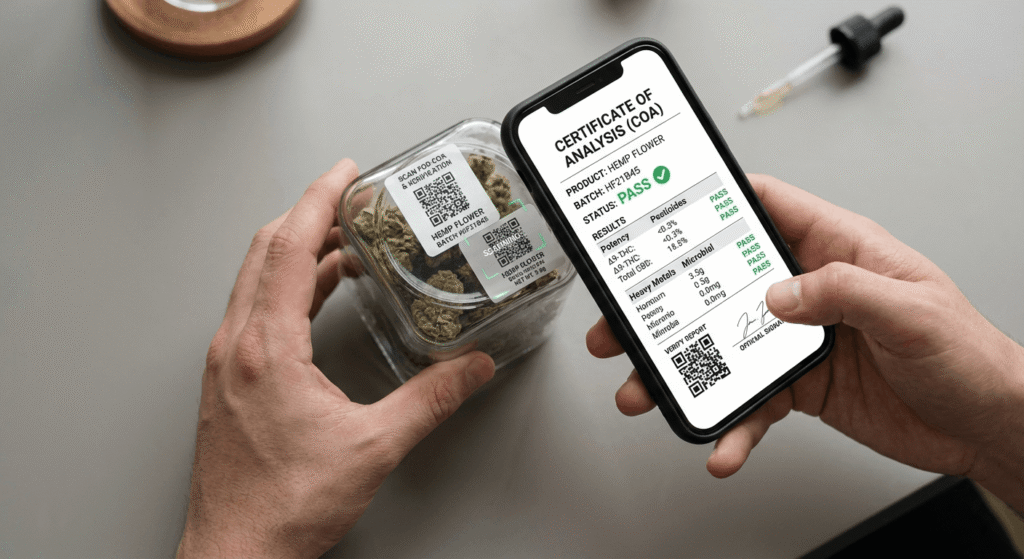
Scan the QR code on packaging to verify the report straight from the lab or supplier’s Lab Results portal. Only up-to-date, original digital COAs are trustworthy. Many top brands will answer further questions about their lab results via Contact or About pages.
What Sets Verified Suppliers Apart?
| Feature | Verified THCA Supplier | Non-Verified Supplier |
|---|---|---|
| Lab Accreditation | ISO/IEC 17025, third-party | Unaccredited, in-house only |
| Batch Number Match | Always present and matches label | Missing or incorrect |
| COA Freshness | <6–12 months, always recent | Outdated or undated |
| Full Contaminant Panel | All included, must “pass” | Partial or absent, unclear pass/fail |
| Cannabinoid Panel Detail | Complete, multi-compound | Limited or missing metrics |
| COA Access | QR code, online [Lab Results](https://coexotics.co/lab-results/) | Difficult to access, unverifiable |
| Legal Compliance | <0.3% Delta-9 THC (proof shown) | Sometimes exceeds legal limit |
How to Avoid Common Mistakes When Interpreting Lab Results
Even careful buyers can make mistakes interpreting COAs without a disciplined approach. Common errors include skipping accreditation checks, ignoring batch matches, or missing test date relevance. A key pitfall is focusing solely on THCA levels without confirming compliance through Delta-9 THC values or after 2026, the total THC formula.
Some buyers mistakenly assume a “pass” on select panels means safety, even when others are missing. Always use the supplier’s Lab Results or QR code for report validation, and never accept supplier excuses for absent or failed panels..
Premium suppliers help customers avoid these mistakes by providing detailed education on the About and Contact sections of their sites and maintaining transparent, regularly updated lab reports.
Proper Use of Lab Results in Buyer Decisions
Use current, accessible lab results to double-check compliance, ensure safety, and select between different THCA flower options. Prioritizing suppliers who publish and explain COAs gives buyers the best assurance of quality.
Compliance and Legal Considerations for THCA Flower
U.S. hemp laws shift frequently. According to the 2018 Farm Bill, hemp (including lab tested thca flower) is federally legal if Delta-9 THC remains below 0.3% by dry weight, verified by a compliant hemp COA. However, from November 2026, only flower with a total THC (Delta-9 THC + 0.877 x THCA) below 0.3% will qualify for legal sale across the country. Understanding the total thc rule thca 2026 will become vital for both buyers and suppliers.
Legal requirements can differ by state. For instance, some states ban all hemp flower, set even stricter THC limits, or have additional lab testing requirements. Before buying or shipping THCA flower, check the official USDA hemp law resources and your state’s own regulatory pages.
Suppliers displaying up to date COAs, found on their Lab Results or Shipping Information pages, make regulatory compliance far easier for consumers. Responsive, transparent customer service, highlighted in the Contact and About sections, is a major hallmark of a verified thca supplier.
Frequently Asked Questions
1. Can I fail a drug test if my THCA flower is compliant?
Yes, even if your lab tested THCA flower is compliant with federal law, consuming it can still cause a positive drug test. This occurs because THCA naturally converts to Delta-9 THC either through heat or inside your body, and most drug tests check for these compounds.
2. What does it mean if a COA shows “fail” for contaminants?
If a COA reports “fail” for pesticides, heavy metals, or microbial contamination, the flower is unsafe for human use. Using such a batch poses real health risks, including exposure to toxins that can damage organs or disrupt immune systems. Always reject any product that does not fully pass its safety panels.
3. How recent should a COA be to trust its lab results?
A valid COA should never be older than 6 months, and no COA older than a year should be used for purchasing decisions. Reputable suppliers update their Lab Results for every batch in order to protect buyers and comply with evolving regulations.
5. What is the difference between a hemp COA and a cannabis COA?
A hemp COA confirms that the Delta-9 THC is below the 0.3% legal threshold required by the Farm Bill, allowing the product to be sold as hemp across most states. Cannabis COAs, on the other hand, often show much higher THC values and are subject to stricter state-specific laws that can vary widely.
6. How do I verify if a supplier’s COA is authentic?
Authenticity begins with confirming the lab’s ISO/IEC 17025 accreditation and its reputation. Batch numbers must match the product, the COA should be recent, and QR codes or hyperlinks should lead to the original document. When in doubt, contact the supplier or laboratory directly using their Contact details.
Conclusion
Mastering how to read a THCA Certificate of Analysis is essential for anyone buying lab tested THCA flower. By relying on accredited labs, checking every compliance detail, and insisting on up-to-date COAs, you ensure both safety and legal peace of mind. Suppliers who prioritize transparency, prompt updates, and easy access to lab results stand apart as verified leaders in the market. Always demand proper documentation and use official resources to guide your THCA flower buying choices.