Quick Answer Box: THCA, or tetrahydrocannabinolic acid, is a non-psychoactive cannabinoid found in raw cannabis plants. This THCA guide covers how THCA converts into THC via decarboxylation, details on benefits, side effects, 2026 legality updates, dosing strategies, and how to safely use THCA in its various forms.
What is THCA?
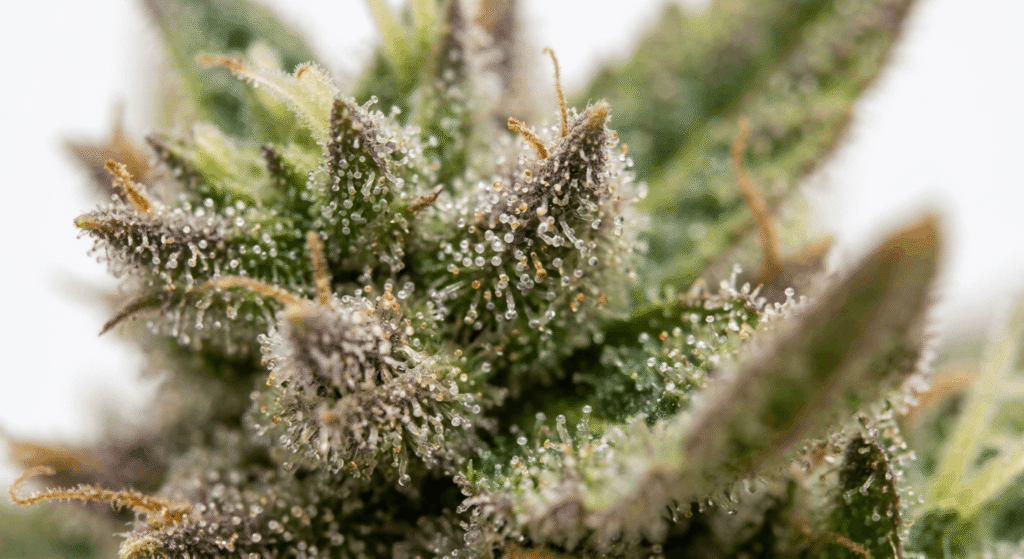
THCA, or tetrahydrocannabinolic acid, is a non-psychoactive cannabinoid naturally abundant in raw cannabis plants like hemp and marijuana. Unlike THC (tetrahydrocannabinol), THCA does not cause intoxication until it undergoes decarboxylation—a reaction requiring heat. Formed from its precursor, CBGA (cannabigerolic acid), through the action of THCA synthase, THCA is principally found in the sticky trichomes of fresh cannabis flowers.
It remains non-psychoactive due to its carboxyl group, preventing effective binding to the body’s cannabinoid receptors. As cannabis dries or ages, some THCA turns to THC naturally, but most of the intoxicating effect occurs only through deliberate heating. This difference is crucial for understanding product labels, legal status, and how to safely use products discussed in this comprehensive THCA guide.
How Does THCA Work?
THCA serves as the chemical “parent” of THC within living cannabis plants. It originates from CBGA through enzymatic transformation, then accumulates in the plant’s trichomes. High-quality THCA flower often contains between 15–30% THCA prior to processing.
The carboxyl group attached to THCA prevents it from binding to CB1 brain receptors, which are responsible for marijuana’s psychoactive effects. Only after decarboxylation—where heat removes the carboxyl group—does THCA convert to THC, making traditional cannabis effects possible. When consumed raw, THCA does not produce a high, but after heating, its effects are nearly identical to those of conventional THC.
THCA Meaning for Cannabis Users
For consumers, THCA meaning translates to versatility. Those who consume it raw seek wellness applications without intoxication, while those who heat THCA products experience the familiar cannabis high. This flexibility plays a role in expanding the popularity of THCA flower and concentrates.
How THCA Turns into THC
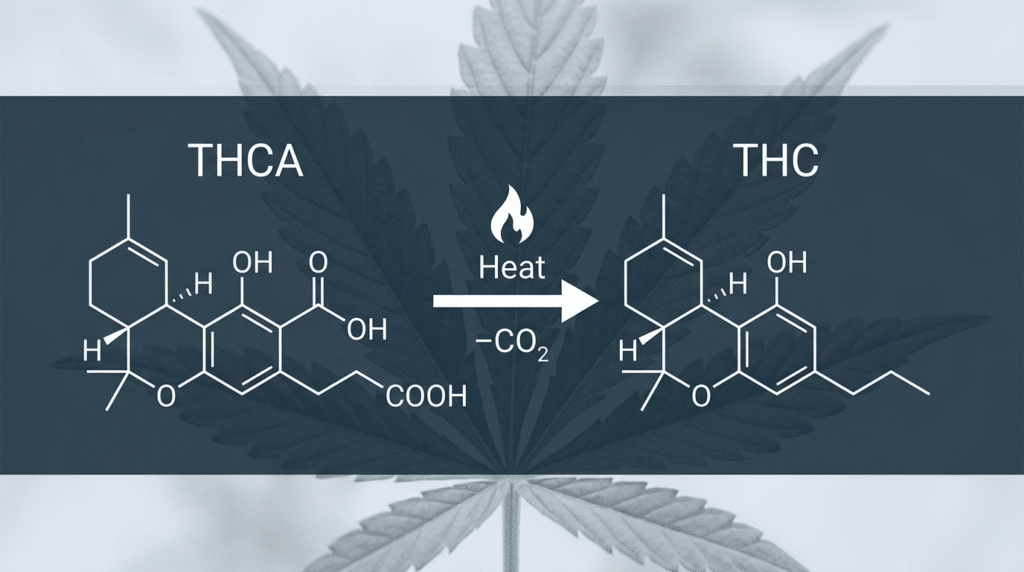
Decarboxylation is the chemical reaction that transforms THCA into intoxicating THC through the application of heat. Smoking, vaping, or cooking cannabis triggers decarboxylation, removing the carboxyl acid group. As a result, the transformed molecule binds efficiently to cannabinoid receptors, resulting in psychoactive effects.
Methods such as vaporizing, using a pipe, or baking THCA flower or concentrates all achieve decarboxylation, delivering fast-acting THC. Unheated THCA products such as juices or oils do not create psychoactivity since the decarboxylation process has not occurred. While some natural conversion happens as cannabis ages, most THCA remains stable unless deliberately exposed to heat.
Understanding decarboxylation is vital for users in order to control whether the effects will be psychoactive (as with THC) or non-intoxicating (as with pure THCA).
Methods of Consuming THCA
THCA can be consumed in several distinct methods, each impacting effects and benefits differently:
- Raw Consumption: In juices, smoothies, capsules, or tinctures, THCA stays in its original, non-intoxicating form. This appeals to wellness users who want anti-inflammatory or neuroprotective benefits without feeling high.
- Heated Methods: Smoking, vaping, dabbing, or baking THCA flower decarboxylates it instantly, producing effects similar to standard marijuana.
- Edibles: When baked or cooked, THCA is converted to THC, resulting in more intense and longer-lasting psychoactivity compared to inhalation.
Choosing the right consumption method depends on your goals—whether you want non-intoxicating wellness benefits, or the classic effect of cannabis, which is only triggered after decarboxylation.
THCA Flower and Other Product Types
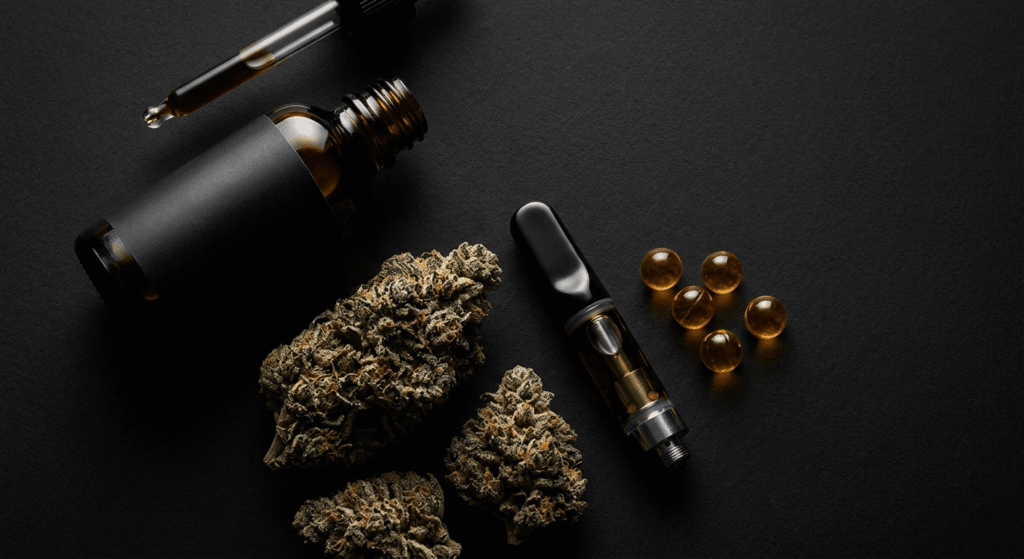
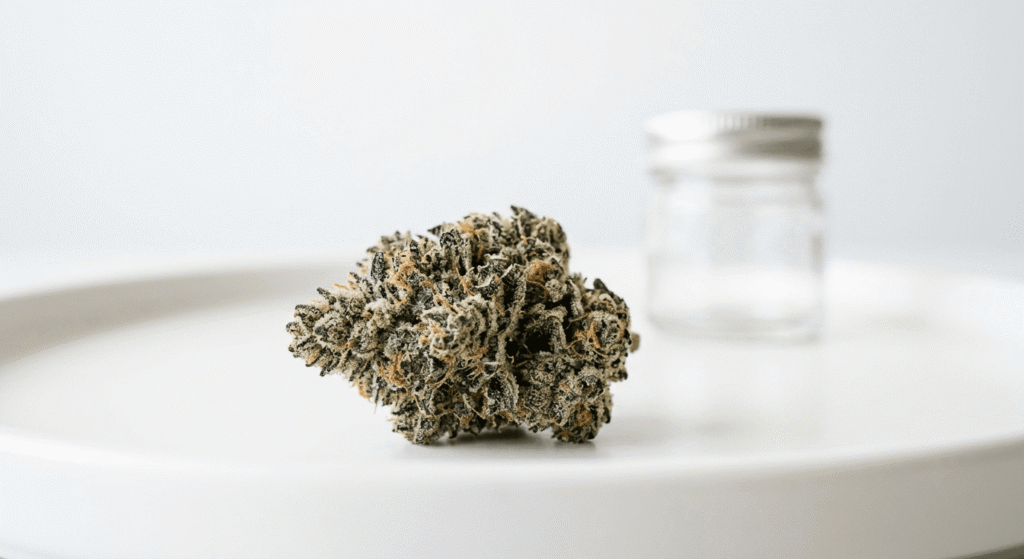
THCA flower describes cannabis bred and harvested to maximize THCA content while maintaining minimal Delta-9 THC. As of 2026, THCA flower makes up 40–55% of legal hemp product sales in advanced U.S. markets. With projections of 100–150 compliant strains available by the end of 2026, the range of THCA products is expanding rapidly.
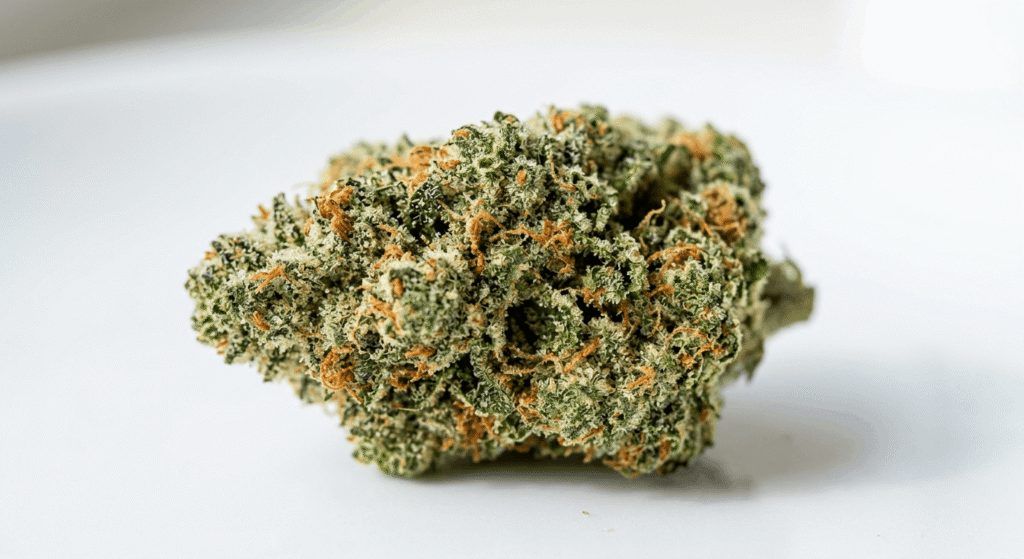
- THCA Flower: Premium indoor varieties often feature 20–29% THCA, while outdoor or entry-level options have 15–22%. Potency, flavor, and visual quality (“bag appeal”) are all crucial for users.
- Concentrates: Products like dabs, vapes, and extracts offer 75–99% total cannabinoid content. They’re intended for experienced users due to strong, rapid-onset effects.
- Edibles and Tinctures: These allow controlled, non-intoxicating wellness dosing when unheated. Heating or baking brings out intoxicating effects.
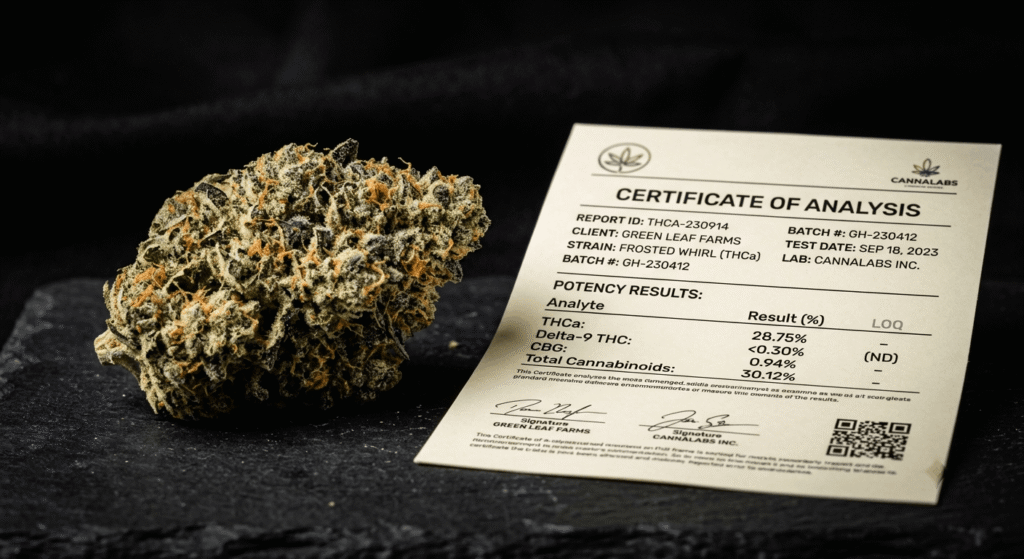
- Lab Testing: As product variety grows, the risk of mislabeling and contamination rises. Always choose retailers providing third-party Certificates of Analysis—see Lab Results for real-world examples and safety information.
The growing THCA flower market also offers pre-rolls, tinctures, THCA-rich topicals, and various edibles. For shopping, visit reliable shops, and remember to confirm legal status and lab-tested compliance before buying.
Best THCA Flower Strains 2026
As strain selection widens, users should compare best THCA flower strains 2026 based on potency, terpene profile, flavor, and compliance with upcoming legal standards. Product reviews, lab results, and detailed strain information help buyers find options matched to their preferences and needs.
THCA vs. THC
| Feature | THCA (Tetrahydrocannabinolic Acid) | THC (Tetrahydrocannabinol) |
|---|---|---|
| Chemical Structure | Acid form, carboxyl group attached | Neutral form (after heat applied) |
| Occurrence in Cannabis | Found in raw/hemp cannabis | Formed after decarboxylation |
| Psychoactive Potential | No (unless heated) | Yes (after heating/processing) |
| 2026 Legal Status (U.S.) | Legal under hemp law until Nov 2026* | Controlled/restricted; varies by state |
| Consumption Methods | Raw, unheated forms | Smoked, vaped, baked, edibles |
| Practical Uses | Wellness, non-intoxicating, research | Medical, recreational, psychoactive |
| Drug Test Risk | Unlikely for raw use | Highly likely after decarboxylation |
*Federal law shifts after November 12, 2026, when the new total thc law 2026 thca rule restricts most current high-THCA hemp flowers. Always consult the latest official USA hemp laws.
THCA Benefits and Effects
Scientific research and anecdotal reports indicate multiple THCA benefits for various health and wellness needs:
- Anti-Inflammatory Effects: Studies suggest THCA may help reduce inflammation, making it valuable for pain or arthritis sufferers.
- Neuroprotective Properties: Ongoing research points to neuroprotective potential, especially for diseases like Parkinson’s and Alzheimer’s.
- Anti-Nausea and Digestive Relief: Evidence supports THCA’s use for managing nausea, which may benefit cancer patients or those with digestive disorders.
- Immune Support and Mood Regulation: Early reports highlight possible roles in supporting immune function, reducing spasms, and stabilizing mood or anxiety.
Most of these THCA benefits are realized through raw, unheated consumption. Avoid heating THCA products if you seek non-intoxicating effects.
THCA Medical Benefits
Research on thca medical benefits, including anti-inflammatory, neuroprotective, and anti-nausea effects, is underway. While animal models and preliminary human research are promising, more large-scale studies are needed to confirm efficacy for specific conditions.
THCA Side Effects and Safety Considerations
While generally well-tolerated, THCA can cause side effects and may not be safe for everyone:
- Overconsumption: Using excessive amounts, especially in concentrated or heated forms, may cause acute intoxication, dizziness, confusion, or rapid heartbeat.
- Digestive Discomfort: Mild stomach upset can result from raw THCA, particularly at high doses.
- Psychoactive Effects: After decarboxylation, THCA’s safety profile matches that of THC—including impairment risk.
- Drug Interactions: Caution is advised if you use medications or have underlying health conditions; consult a healthcare provider for guidance.
- Allergic Reactions: Though rare, sensitivities or allergies to cannabis can occur.
- Contaminant Exposure: Only purchase products with verified labs and visible COAs (see Lab Results). Avoiding pesticides, heavy metals, and mold is critical for product safety.
Review contact support if adverse effects arise or you have product safety concerns, and always start with low doses when trying new THCA products.
THCA Legality: Federal and State Laws
THCA legality is evolving. Under the 2018 Farm Bill, THCA is federally legal so long as Delta-9 THC does not exceed 0.3% by dry weight. Effective November 12, 2026, federal law will use a total THC calculation—adding Delta-9 THC and a portion of THCA after decarboxylation. This total thc law 2026 thca rule means most current high-THCA flowers will become illegal under hemp status.
- Federal Update: The new cap is 0.4mg total THC per container, barring most high-THCA flowers.
- State Regulations: Several states (such as Texas, Rhode Island, Vermont) have already imposed bans or greater restrictions on THCA. More states are expected to update rules in line with federal changes.
- Shipping and Possession: Review shipping information and check the most recent USA hemp laws before purchasing or traveling with products.
Since enforcement and definitions vary, check state-specific regulations and read terms in the Terms & Conditions section for additional compliance details.
Does THCA Get You Higher Than THC?
A common misconception is whether THCA gets users higher than THC. In reality, raw THCA does not produce intoxication. Only after heating does it provide a similar high—no stronger than standard THC. If someone consumes excessive THCA via highly concentrated forms after decarboxylation, the resulting THC effect mirrors high-potency marijuana.
How to Use THCA Safely
For optimal safety and efficacy, follow this ordered THCA guide whether you are a newcomer or an experienced user:
- Select the Right THCA Product: Decide if you want THCA flower, concentrates, edibles, or tinctures. Beginners should lean toward lower-potency flower or non-intoxicating tinctures. Experienced users might opt for dabs or high-cannabinoid products. Always consult lab data for the best THCA flower strains 2026.
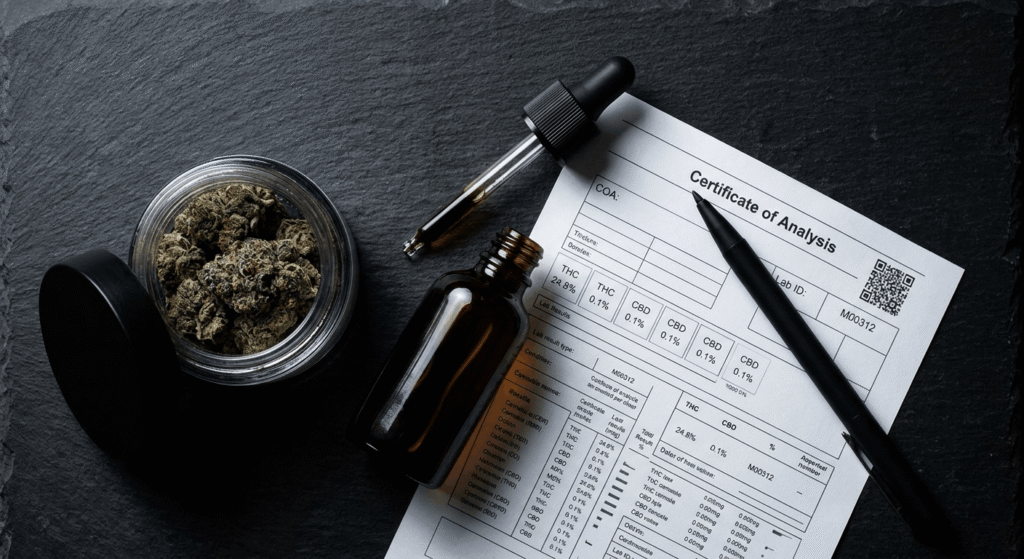
- Review Product Lab Reports: Prioritize transparency by verifying third-party Certificates of Analysis. Confirm THCA concentration, compliance with pre-2026 Delta-9 THC restrictions, and absence of toxins. Explore real Lab Results for accurate guidance.
- Start Low, Go Slow: Initiate use with the smallest effective dose—such as one puff or a small tincture amount. With inhaled products, wait 20–30 minutes before increasing. For edibles, allow 1–2 hours for full onset. This careful titration matches safe thca edible dosing guide.Choose Your Consumption Method: Use products raw if pursuing wellness without intoxication; use smoking, vaping, or baking only if you want traditional THC effects. Heating THCA always triggers decarboxylation and converts it into psychoactive THC.Track and Adjust: Record what you consume and your reactions, including potency, effects, and adverse experiences. Adjust dosing or product choices as needed. Questions? Use contact support or discuss with your clinician.
Common Mistakes When Using THCA
Mitigate risk by avoiding these frequent mistakes:
- Expecting a High from Raw THCA: Consuming raw THCA alone will not get you high.
- Excessive Dosing: Common with potent concentrates—always begin with very low doses.
- Ignoring Certificates of Analysis: Skipping COA review risks exposure to unsafe products.
- Legal Oversights: Not following changing laws regarding thca legality can result in accidental infractions.
- Assuming All Hemp Is Legal: The shifting 2026 rules will make most high-THCA hemp flowers illegal; check each batch for compliance.
- Taking Retailer Claims at Face Value: Always independently verify with Lab Results or other objective data.
Frequently Asked Questions
1. Does THCA Get You High?
THCA in its raw form does not produce intoxication, so it will not get you high. However, when THCA is heated—by smoking, vaping, or baking—it changes through decarboxylation into THC, which is psychoactive and provides the traditional cannabis high.
2. What Does THCA Mean on Lab Reports?
On Certificates of Analysis, thca meaning refers to the measured amount of tetrahydrocannabinolic acid in a product. Lab reports typically list this alongside Delta-9 THC. Laboratories calculate “total THC” as (THCA x 0.877) + Delta-9 THC for legal compliance, anticipating conversion during use.
3. Is THCA Legal in My State?
Pre-November 2026, THCA is federally legal if derived from hemp with less than 0.3% Delta-9 THC. Despite this, states such as Texas, Rhode Island, and Vermont have restricted or banned high-THCA products. Laws are rapidly changing, so always check your state’s latest rules and review USA hemp legal info and the Privacy Policy before ordering.
4. What Are the Medical Benefits of THCA?
Research and consumer experience highlight thca medical benefits, such as anti-inflammatory relief, neuroprotective effects, and anti-nausea properties. Early studies have fueled interest in its use for neurodegenerative and seizure disorders, although limited clinical trials exist. Always consult medical professionals and see recent reviews for updates.
5. Can I Use THCA Flower Like Regular Cannabis?
Yes, you can use thca flower in the same ways as traditional marijuana—by smoking, vaping, or baking. Remember, THCA is only intoxicating after decarboxylation. Potency and onset are similar to Delta-9 cannabis when heated. If consumed raw, THCA flower delivers wellness benefits without a high.
Conclusion
THCA offers consumers a pathway to non-intoxicating wellness benefits or classic cannabis effects, depending on consumption method and decarboxylation. As outlined in this THCA guide, understanding product safety, legal changes, side effects, and how thca flower is regulated in 2026 is crucial to safe and effective use. Stay informed with updated resources, rely on Certificates of Analysis, and consult reputable sources for new developments and trends in the evolving THCA market.