Quick Answer Box: Understanding CBD involves knowing it is a non-psychoactive compound from hemp that offers potential CBD benefits such as pain relief, sleep support, and anxiety reduction. Science is still emerging, but safe dosage and third-party lab testing are crucial for maximizing CBD benefits and ensuring safe use.
What is CBD?
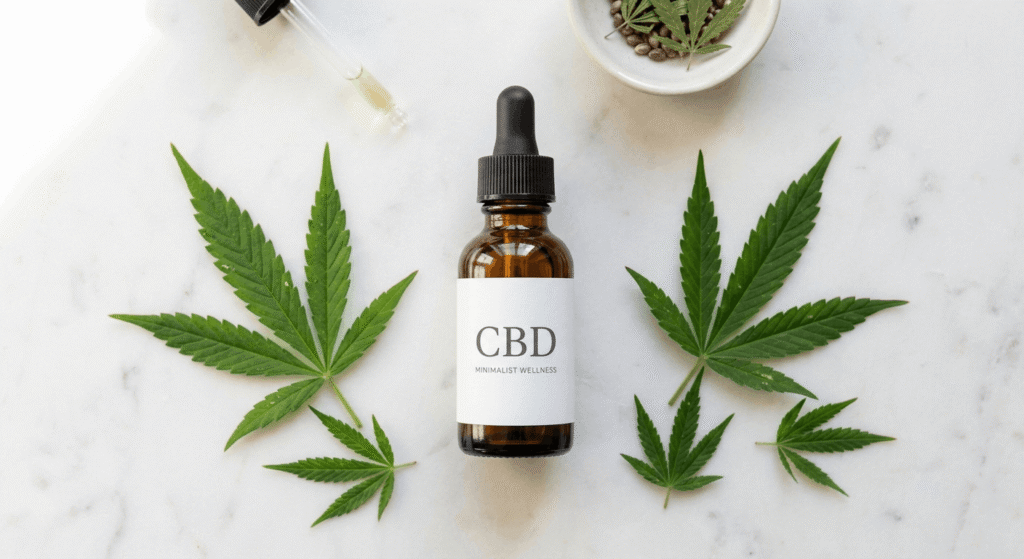
CBD, or cannabidiol, is a natural chemical compound found mainly in the Cannabis sativa plant, particularly in hemp varieties. Unlike THC (tetrahydrocannabinol), CBD is non-psychoactive—using it will not make you feel high or intoxicated. CBD has become popular for its diverse range of wellness uses, most notably for supporting general well-being, promoting relaxation, reducing inflammation, and assisting with pain management. Available forms include CBD oils, capsules, gummies, and topicals, making it adaptable to nearly any lifestyle. The most important distinction between CBD and THC is that while THC alters perception and cognition, CBD promotes balance and calm without affecting your mental state.
Understanding CBD
CBD, or cannabidiol, is a non-psychoactive compound extracted mainly from hemp, a Cannabis sativa variety. CBD benefits include pain relief, anxiety reduction, and sleep support, all without causing a high.
How Does CBD Work in the Body?
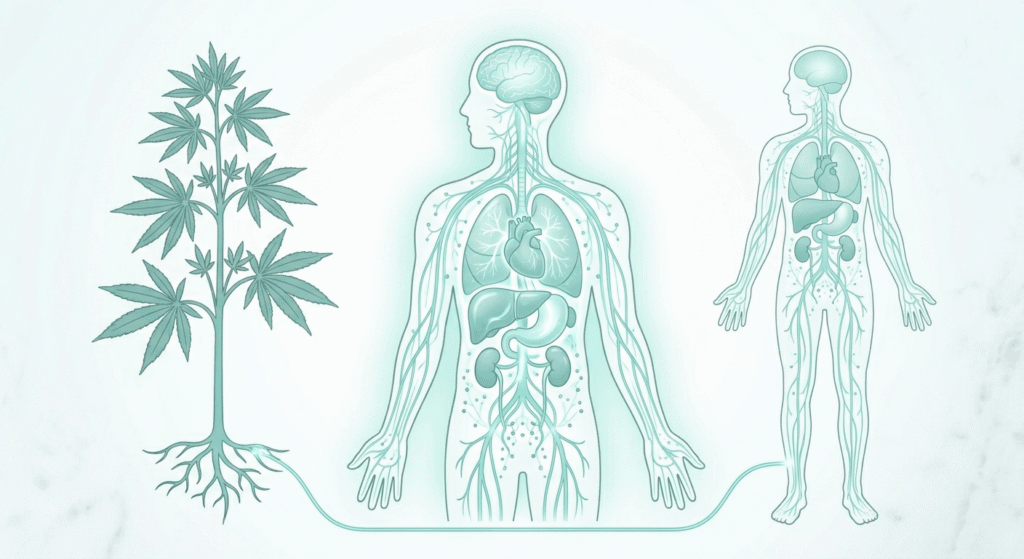
CBD interacts with the endocannabinoid system (ECS), a vital network within the human body that helps keep functions like mood, pain sensation, immunity, and sleep in balance. While THC binds directly to cannabinoid receptors, CBD modulates their activity and also acts on other receptors, such as serotonin and TRPV1, which regulate mood and pain. These activities result in CBD’s diverse range of effects—users often experience relief from discomfort or anxiety, improved sleep, and better resilience to daily stress.
The Endocannabinoid System and Homeostasis
The ECS maintains equilibrium, or homeostasis, across various bodily systems like the nervous and immune systems. When you use CBD, it influences this balance, which helps explain why CBD benefits span relief from pain, inflammation reduction, and anxiety support. This broad-spectrum effect is why CBD uses and benefits are so widely sought after.
CBD Benefits: What Does the Research Say?
Scientific and anecdotal evidence highlights several primary CBD benefits. The only currently FDA-approved use for CBD is Epidiolex, a prescription drug for severe forms of childhood epilepsy such as Dravet and Lennox-Gastaut syndromes. However, CBD is widely used for many other applications, with research steadily expanding.
- CBD benefits for pain: Research and user experience suggest CBD can help relieve chronic pain by modulating key pain pathways. Both the endocannabinoid system and serotonin receptors may play a role, offering a natural alternative to some traditional painkillers.
- Anxiety and mental health: Preliminary studies and user surveys indicate CBD may ease symptoms of anxiety, depression, and PTSD. While results are promising, larger clinical trials are still needed before CBD can be used as a primary mental health treatment.
- Supports better sleep: Clinical trials, including a 2024 study, found that 15 mg of CBD was as effective as 5 mg of melatonin in helping participants fall asleep and stay asleep, confirming CBD’s role in supporting better sleep.
- CBD for inflammation: Early evidence, mainly in animal models but increasingly in human studies, shows that CBD can reduce inflammation by lowering pro-inflammatory markers.
- Emerging research: Some studies report CBD provides relief for cancer-related symptoms like nausea and pain and may offer neuroprotection in multiple sclerosis (when combined with THC in medicines like Sativex). Early trials also explore CBD’s potential cardiovascular benefits but more evidence is needed.
Most experts and public agencies, including Harvard Health, CDC, and the FDA, agree that while the proven CBD benefits are strongest for rare epilepsy, CBD’s promise for pain, anxiety, and inflammation continues to emerge.
CBD Uses and Popular Forms
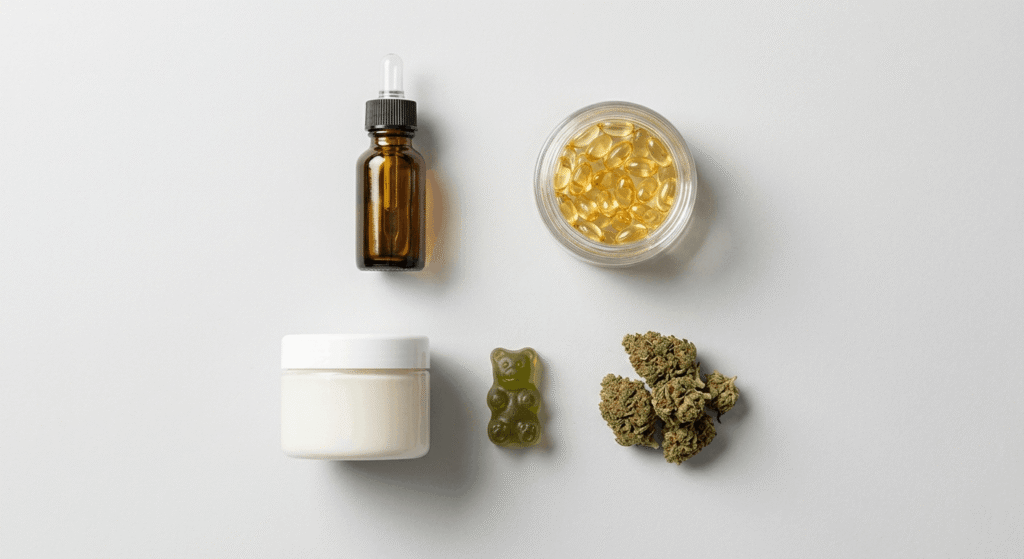
CBD is commonly used for pain management, anxiety relief, sleep support, and everyday wellness routines. Popular forms include:
- Oils and tinctures: Highly versatile, fast-acting, and allow flexible dosing. These can be taken sublingually or added to drinks and foods.
- Capsules: Offer precise, convenient dosing and blend easily into daily supplement routines.
- Gummies and other edibles: Tasty and discreet, these provide gradual onset and prolonged effects—ideal for beginners seeking consistent results.
- Topicals: Creams and balms for targeted relief of sore muscles, inflammation, or skincare needs.
Consumers also use CBD in pet products and skincare, as well as in beverages and bath products. To learn more about available options, visit our Shop page or read in-depth guides on our Blogs.
How to Use CBD Safely and Find the Right Dosage
Start Low: Begin with 10–20 mg of CBD daily, regardless of form, and monitor your symptoms for several days.
- Track Your Response: Note any improvements and potential CBD side effects, such as drowsiness or digestive discomfort.
- Adjust Gradually: If you feel no benefit, increase your dose by 5–10 mg every 3–7 days until you find the smallest dose that works for you.
- Consider Product Type and Bioavailability: Products like oils often work faster than capsules or edibles, while topicals act mainly at the site of application.
- Consult Your Healthcare Provider: If you use prescription medications, have chronic conditions, or are planning major dosage changes, always consult a doctor first.
- Prioritize Third-Party Lab Testing: Verify that your product is accurately labeled and free from contamination by reviewing Lab Results.
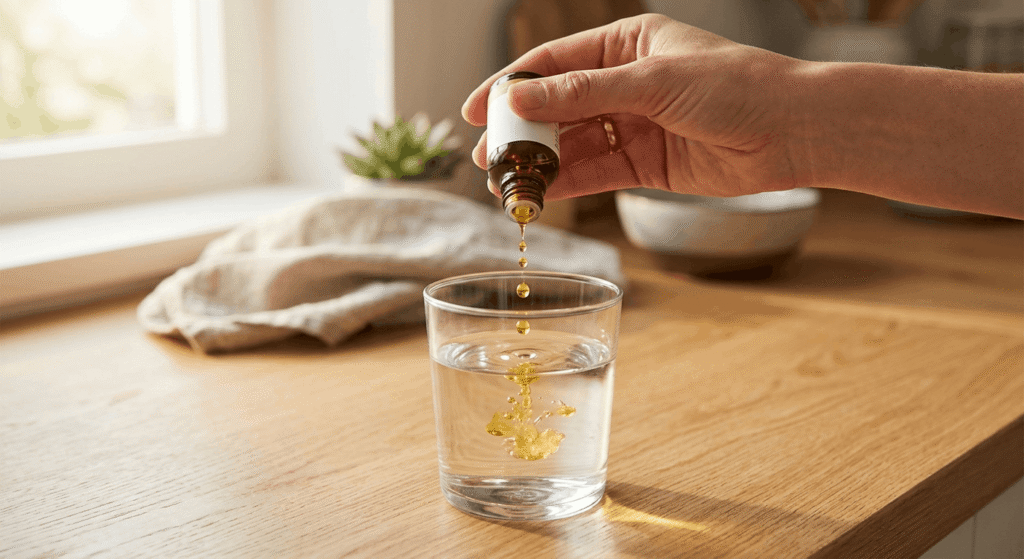
The ideal CBD dosage depends on factors like your body weight, metabolism, health status, and the reason for use. For a deeper CBD dosage guide for sleep, pain, and anxiety, explore our upcoming in-depth article on this topic.
CBD for Inflammation and Pain Relief
CBD’s effect on inflammation and pain is a major reason for its widespread use. By modulating endocannabinoid signaling, influencing serotonin and TRPV1 receptors, and reducing pro-inflammatory markers, CBD may help those dealing with chronic pain and inflammation. Surveys report that around 68% of CBD users have found relief for these symptoms, allowing some people to reduce their reliance on traditional pain relievers.
While human data is still accumulating, many people describe improved daily mobility and a better quality of life after adding CBD to their health routine. For best outcomes, choose products verified by third-party lab testing and always discuss new therapies with your doctor—especially if you already use anti-inflammatories.
Real-World Uses: Chronic Pain and Sports Recovery
Athletes and people with chronic pain use CBD for inflammation control and faster recovery. While not a substitute for medical care, these users report reduced soreness and improved sleep, which can further enhance recovery.
Supports Better Sleep: Does CBD Help with Sleep?
Among CBD benefits, its ability to support better sleep stands out. Research shows people falling asleep faster and staying asleep longer after using small doses of CBD—often 15 mg is as effective as low-dose melatonin. Users with stress-related insomnia or pain-induced sleep troubles see the greatest benefits.
To maximize results:
- Take CBD 30–60 minutes before you intend to sleep.
- Pick a product formulated for relaxation, sometimes blended with natural botanicals like chamomile or valerian.
- Start with a low dose and monitor for a week before increasing.
While not everyone will get better sleep with CBD, most research and testimonials indicate a meaningful improvement, particularly for mild sleep disruptions that do not respond to over-the-counter aids.

Comparing CBD Products: Formats, Potency, and Testing
Choosing the right CBD product means comparing forms, checking potency, and verifying quality with third-party lab testing. Different product types suit different users and needs.
CBD Product Comparison Table
| Product Type | Typical Potency (mg/serving) | Onset Time | Duration | Third-Party Lab Testing Needed |
|---|---|---|---|---|
| Oil/Tincture | 10–50 | 15–45 min | 4–6 hours | Essential for label accuracy |
| Capsules | 10–50 | 30–90 min | 6–8 hours | Necessary for dose reliability |
| Gummies/Edibles | 5–25 | 45–120 min | 6–8 hours | Critical for safety and potency |
| Topicals | Varies | 10–30 min | 2–4 hours | Important for checking purity |
The Importance of Third-Party Lab Testing
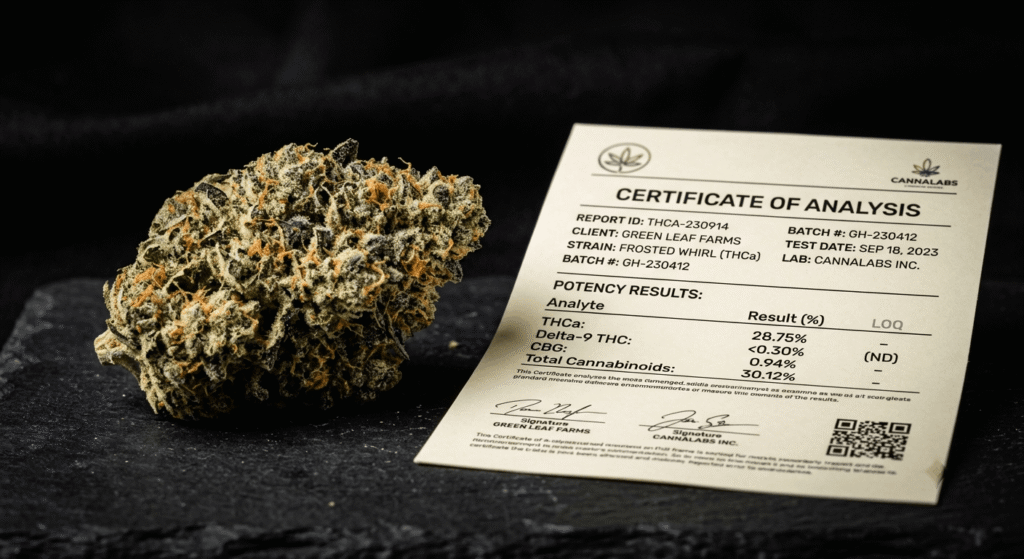
Third-party lab testing is a key element in CBD product quality assurance. This process involves an independent laboratory testing the product for CBD and THC content, as well as screening for possible contaminants like pesticides, heavy metals, and solvents. Lab results, or Certificates of Analysis (COAs), confirm that the product is accurately labeled, free of significant contaminants, and legal.
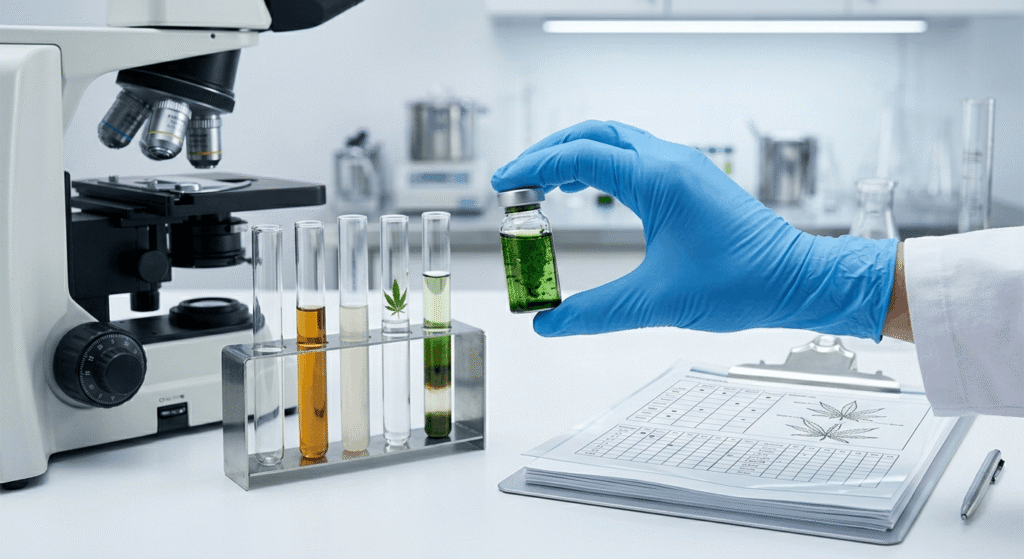
Never purchase CBD without clear lab results—mislabeling, adulteration, or excess THC are still problems in the market. Our Lab Results page provides product-specific COAs, and our blog includes a guide on how to read a CBD lab report.
CBD Side Effects and Safety Considerations
CBD is generally well-tolerated, but just like any wellness product, it is not risk-free. Potential CBD side effects include drowsiness, fatigue, dry mouth, digestive upset, appetite changes, and, rarely, minor liver enzyme elevation. In particular, CBD interacts with medications metabolized through the liver, including some blood thinners, seizure treatments, and antidepressants.
If you are pregnant, breastfeeding, underage, or have chronic health issues, you should avoid CBD unless specifically advised by a healthcare provider. It is crucial to review third-party lab results and Privacy Policy and Terms & Conditions before making a purchase to understand product transparency and safety.
Common Mistakes When Using CBD
Many new users make common mistakes that can undermine CBD effectiveness or safety.
- Incorrect dosing: Starting with too high a dose increases the risk of side effects without added benefits. Stick to gradual dosage adjustments.
- Neglecting third-party lab testing: Skipping COA verification increases the risk of purchasing contaminated or mislabeled products.
- Assuming all products are equal: CBD quality is highly variable—only trust reputable brands that offer comprehensive lab documentation.
- Using with medications without consultation: Not all medications are safe to take with CBD. Always talk to a healthcare provider.
- Expecting instant results: Most people need to use CBD consistently over several days or weeks before noticing sustained improvements.
Stay informed and choose established retailers with clear Shipping Information, accessible Contact channels, and a helpful customer service team.
FAQs
1. Is CBD legal everywhere?
CBD is legal throughout the United States if derived from hemp and contains less than 0.3% THC, as mandated by the 2018 Farm Bill and updated regulations in 2025 and 2026. However, certain states and countries maintain stricter rules. Always verify local laws before purchasing or using CBD to avoid legal issues.
2. Can I take CBD with other medications?
CBD has the potential to interact with several prescription medications, including blood thinners, anti-seizure drugs, and some antidepressants. Before taking CBD with other medicines, speak with your doctor or pharmacist to prevent adverse effects and ensure the combination is safe for your specific health situation.
3. Will CBD make me feel high?
No, CBD is entirely non-psychoactive and does not produce a high. Unlike THC, which alters perception and causes intoxication, CBD supports well-being without impacting mental clarity. All hemp-derived CBD products in the U.S. are legally required to contain less than 0.3% THC, further reducing risk.
4. How long does it take to feel the effects of CBD?
The onset of CBD effects depends on the consumption method. Oils typically work within 15–45 minutes, while edibles and capsules can take up to 2 hours. Topical products provide focused relief to affected muscles or joints, usually working in 10–30 minutes, but do not result in whole-body effects.
5. How do I know if my CBD product is safe?
To confirm your CBD product’s safety, purchase from brands that offer accessible third-party lab results (COAs), precise ingredient labels, and transparent sourcing. Review product-specific COAs from the Lab Results page and select only companies with established safety protocols.
Conclusion
Understanding CBD empowers you to harness its potential for pain, anxiety, sleep, and inflammation while remaining aware of its limitations and safety considerations. Start with the right dosage, always check third-party lab testing, and consult your healthcare provider before use. Reliable resources such as our Home, Shop, and Blogs can help you confidently choose the best CBD products for your needs and wellbeing.