Quick Answer Box: How indoor THCa flower is grown comes down to controlled light, temperature, and humidity across every stage of the plant’s life, followed by careful harvest timing, slow drying, and hand trimmed curing. That precision produces denser buds, richer terpene profiles, and higher THCa percentages than outdoor cannabis buds typically reach.
What Is Indoor-Grown THCa Flower?
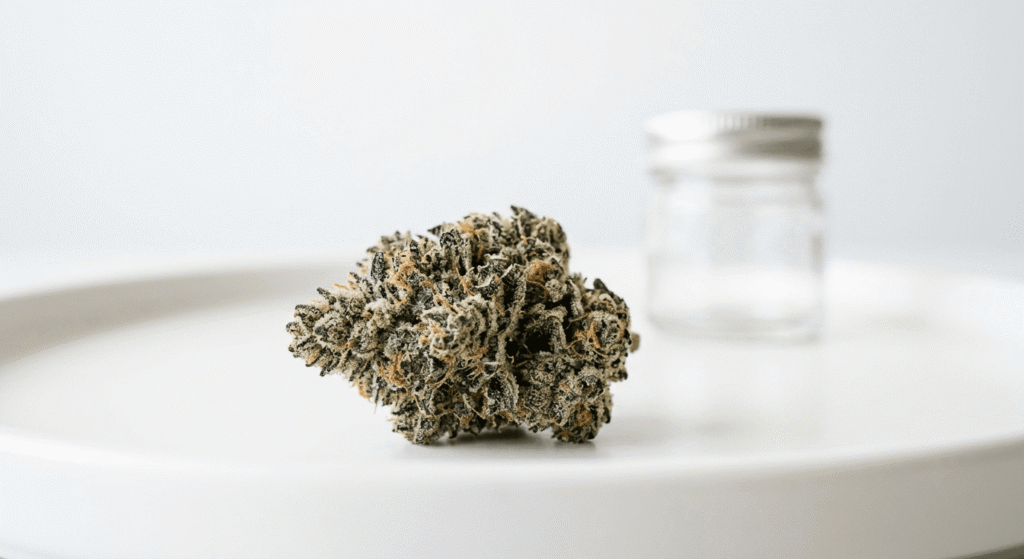
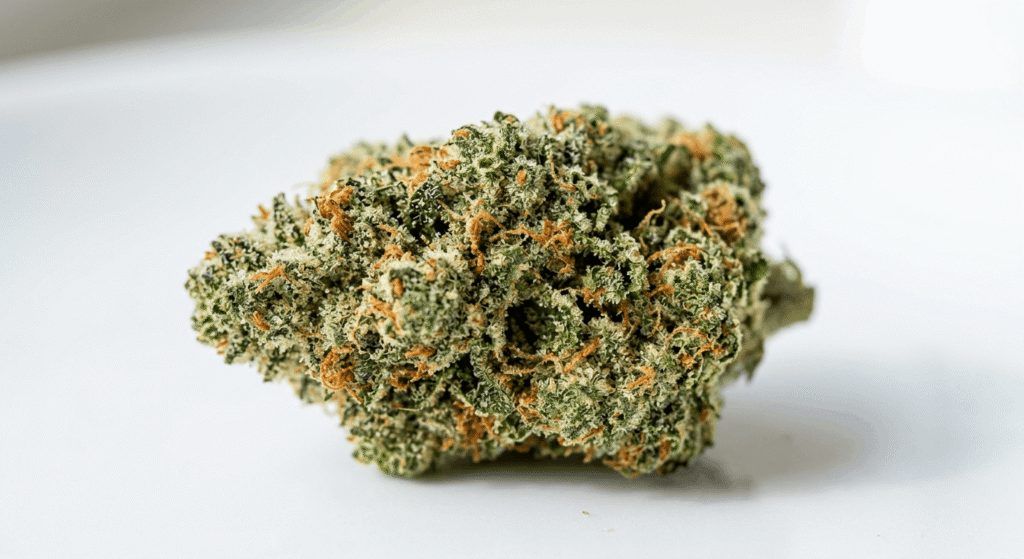
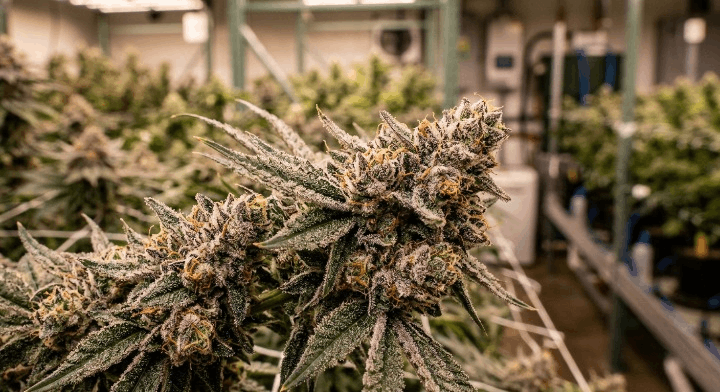
Indoor-grown THCa flower is cannabis cultivated entirely inside a climate-controlled facility, where growers manage light cycles, temperature, and humidity from seed to harvest. THCa (tetrahydrocannabinolic acid) is the raw, non-intoxicating cannabinoid that converts to Delta-9 THC only when heated. Indoor cultivation typically produces higher cannabinoid density and terpene preservation than outdoor grows, which is why it’s often called the top shelf tier of hemp flower.
Nothing about the plant is artificially altered. It’s grown, not sprayed. The difference between indoor plants and their outdoor counterparts comes entirely from the environment they’re raised in.
How Is Indoor THCa Flower Grown, From Seed to Cure?
Growing indoor THCa flower follows a set sequence: genetics selection, vegetative growth, flowering under controlled light, precision harvest timing, slow drying, and an extended hand trimmed cure. Each stage shapes the final terpene profile and cannabinoid count, and skipping any of them shows up in the finished product.
Genetics Set the Ceiling
Everything starts with the seed. Breeders select genetics bred for high THCa expression and reliable compliance, since genetics influence far more than compliance. They determine the overall effect of the flower, its terpene expression, and how aromatic or flavorful it becomes once cured. This is also where top exotic strains earn their reputation. Structure and trichome density are baked into the genetics before a single light gets switched on.
Vegetative and Flowering Control
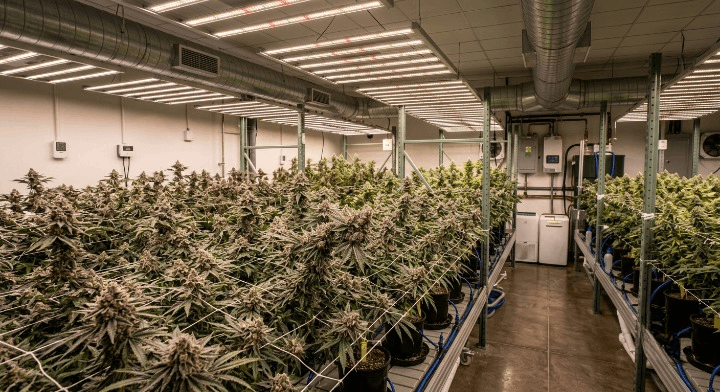
During the vegetative stage, indoor plants run on long light cycles, often 18 hours or more, while the plant builds root mass and structure with almost no cannabinoid production yet. Once growers force flowering by shortening the light schedule, the plant redirects its energy into bud development.
Indoor grows maintain optimal temperature between 68 and 77 degrees Fahrenheit, humidity between 40 and 60 percent depending on growth stage, and controlled CO2 levels. That stability matters because temperature swings and humidity spikes both stress the plant and blunt terpene development. A sealed indoor room with filtered air intake also cuts pest pressure enough that many cultivators skip pesticides entirely.
Harvest Timing Is a Narrow Window
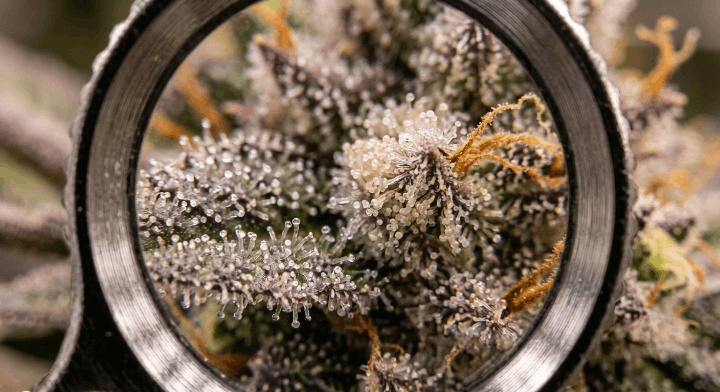
Growers track trichome color under a loupe, watching for the shift from clear to milky white. Precision-controlled growing environments significantly improve phytochemical consistency in cannabis, and that consistency starts with catching the harvest window at the right moment. Cut too early and THCa content stays low. Wait too long and Delta-9 can creep toward the federal compliance ceiling.
A plant testing at 0.28% Delta-9 on one day can climb past legal limits within a matter of days, which is exactly why indoor environments have an edge. Growers can hold temperature and light steady right up to cut day, something outdoor operations can’t guarantee once weather turns.
Drying and Hand Trimmed Curing
After harvest, flower moves into a dark, temperature-controlled drying room for one to two weeks. Rooms held near 60°F with 60% relative humidity prevent THCa from converting while avoiding mold growth. From there, hand trimmed buds go into sealed containers for a multi-week cure. Curing allows residual moisture to redistribute evenly through the flower while enzymatic processes continue to refine the terpene and cannabinoid profile. Rushed drying produces harsh, thin-tasting buds. A proper cure is what gives high THCa hemp flower its smooth pull and full terpene expression.
What Quality Control Steps Separate Top Shelf THCa Flower From Filler Buds?
Real quality control on THCa flower rests on three checkpoints: third-party lab testing, terpene retention, and physical inspection of the trimmed bud. Skip any one of these and a batch that looks fine on the shelf can still fall short in the jar.
Lab Testing and COAs
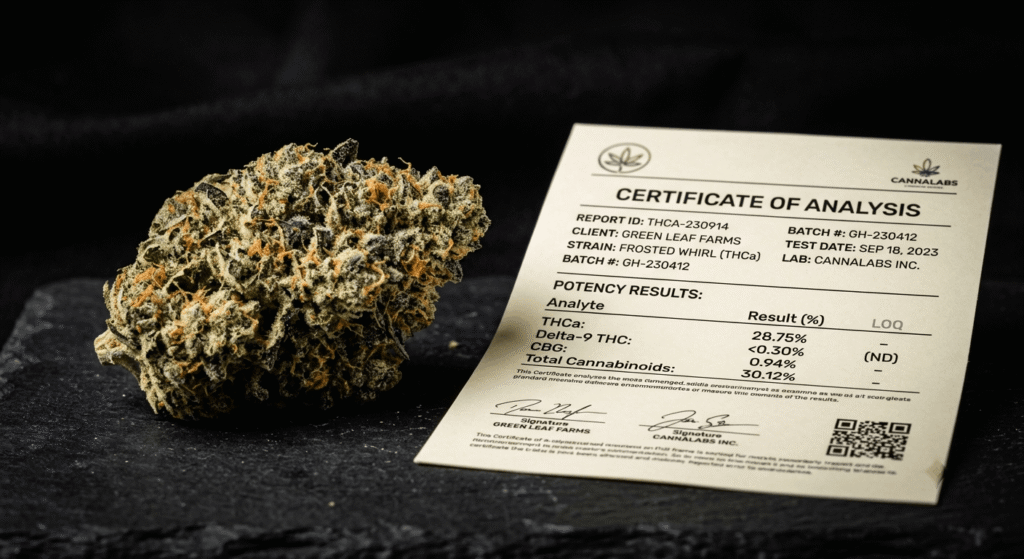
A proper lab report should list THCa and THC levels, confirm legal compliance, and include testing for contaminants. Full-panel testing checking for pesticides, heavy metals, and microbials is the baseline, not a bonus feature. Every batch should ship with a matching Certificate of Analysis, and the lot number on the packaging should match the report on file.
Terpenes Tell the Real Story
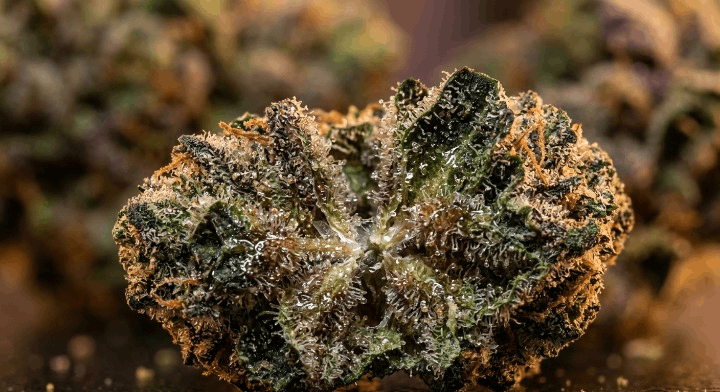
Potency numbers get all the attention, but terpenes drive the actual experience. Growers monitoring terpene retention watch for total terpene content sitting above roughly 2% of dry weight, since that’s a reliable marker of well-preserved flower. Heat, rushed drying, and rough handling all strip terpenes fast, which is why the growing and curing process matters as much as the genetics behind it.
Outdoor vs Indoor Cannabis, by the Numbers
| Growing Method | Typical THCa % | Terpene Preservation |
|---|---|---|
| Indoor | 22% to 30%+ | Highest |
| Greenhouse | Up to roughly 20% | Moderate to high |
| Outdoor | 18% to 22% | Lower, more variable |
The potency of greenhouse-grown THCA flower is usually somewhat lower than indoor-grown buds, and indoor-grown cannabis tastes and smells noticeably better than the greenhouse equivalent. Outdoor flower widens that gap further, mostly because weather variability makes both potency and terpene content harder to hold steady batch to batch.
One more thing worth knowing: hemp law is shifting. Right now, THCa flower qualifies as legal hemp under the 2018 Farm Bill’s delta-9-only standard. That changes on November 12, 2026, when a revised federal hemp definition shifts to a total-THC standard that folds THCa into the calculation. Reputable indoor growers already track this closely, since it affects sourcing and testing standards well before the deadline hits.
Frequently Asked Questions
1. Is indoor grown THCA flower stronger than outdoor?
Generally, yes. Indoor cultivation allows precise control over light, temperature, and humidity, which maximizes trichome development and THCA production. Indoor strains typically test between 22% and 30%+ THCa, compared to 18-22% for outdoor flower.
2. How long does curing take for THCa flower?
Drying alone typically runs 7 to 14 days. After that, hand trimmed buds cure in sealed containers for several additional weeks. The exact timeline varies by grower, but rushing this stage is one of the most common ways quality gets lost.
3. Do exotic THCa strains test higher than budget strains?
Not automatically. Genetics set the ceiling, but growing conditions determine whether a strain hits that ceiling. A well-grown budget strain can outperform a poorly cured exotic one on both potency and terpene profile.
4. What makes a terpene profile “well preserved”?
A few markers separate preserved flower from degraded flower:
- Total terpene content above roughly 2% of dry weight
- Strong aroma straight out of the jar, not faint or musty
- Sticky, intact trichomes rather than dry, brittle ones
- A COA that lists individual terpenes, not just cannabinoids
5. Does hand trimming actually change quality?
Yes. Machine trimming can bruise trichomes and strip resin, while hand trimming protects the delicate structures that hold terpenes and cannabinoids. Most brands producing top shelf THCa flower hand trim as standard practice, not an upsell.
Conclusion
How indoor THCa flower is grown ultimately comes down to control: over light, temperature, humidity, harvest timing, and the slow cure that follows. That level of precision is what separates dense, aromatic, lab-verified indoor flower from flower that’s grown fast and cheap. If you want to see what that quality control looks like in practice, check the lab results behind every batch before you buy.