Quick Answer Box: THCA does not get you high in its raw form. The “THCA high” only occurs if THCA is heated, turning it into THC through decarboxylation. Smoking, vaping, or cooking THCA flower produces classic cannabis effects, while eating raw THCA will not cause psychoactive results.
What Is a THCA High?
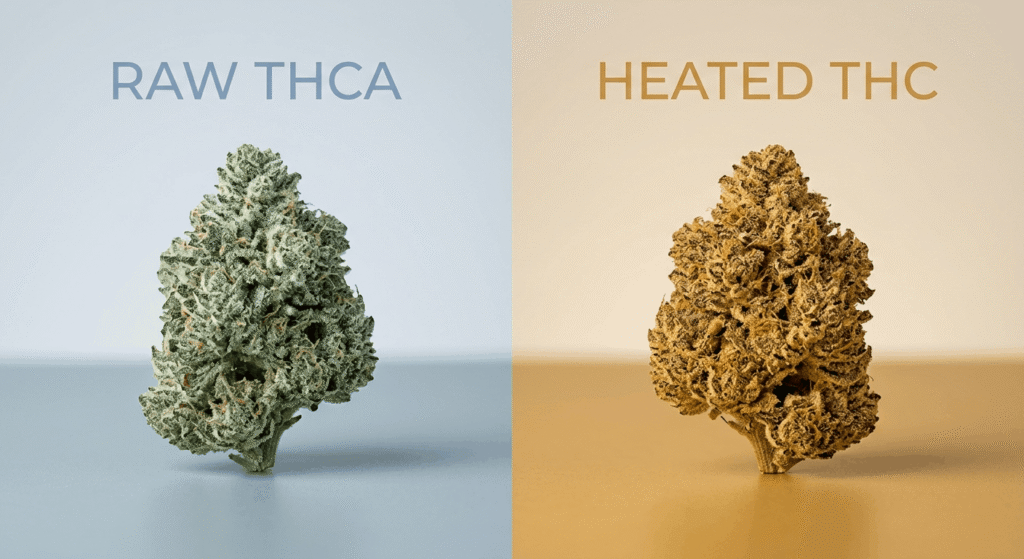
A THCA high refers to the psychoactive effects experienced only after THCA, or tetrahydrocannabinolic acid, is heated and transformed into THC through decarboxylation. In its raw state, THCA flower is non-psychoactive, but after heating, it produces effects identical to standard THC.
Is THCA Psychoactive?
THCA is not psychoactive when consumed raw or unheated. Due to its carboxyl group, THCA does not bind efficiently to CB1 receptors in the brain, meaning it cannot trigger the classic high associated with cannabis use. Multiple scientific studies, including those from ScienceDirect and WebMD, confirm that raw THCA does not cause mind-altering sensations.
THCA Side Effects in Raw Form
Because THCA is non-psychoactive prior to heating, few side effects are reported from eating or using the raw flower. Some users consume raw THCA for potential anti-inflammatory or neuroprotective benefits, but evidence is limited and non intoxicating.
Understanding Decarboxylation and the THCA High
Decarboxylation is the crucial process that unlocks THCA’s psychoactivity. By applying heat, the carboxyl group is removed from THCA, turning it into THC, which can interact with your brain’s receptors to produce a high. Without this step, taking THCA even in large doses will not lead to intoxication.
How Decarboxylation Works
- Application of Heat: Smoking, vaping, or baking THCA flower exposes it to high temperatures.
- Chemical Transformation: The acidic group detaches, converting THCA to THC.
- Receptor Activation: THC binds to CB1 receptors, resulting in euphoric, relaxing, and mind-altering effects.
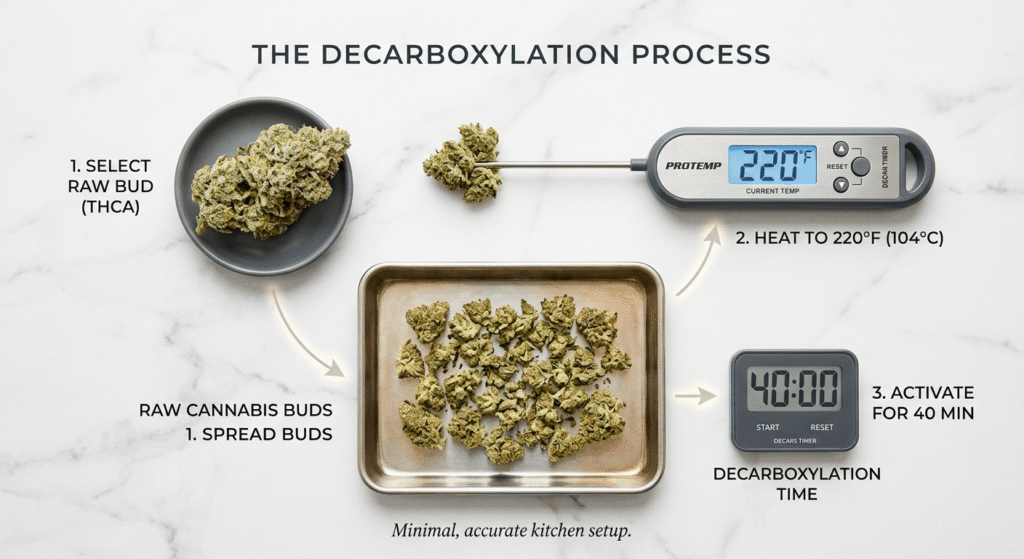
For example, when you smoke or vape THCA flower, the conversion is rapid and nearly complete, producing effects in just a few minutes. Baking edibles requires heating at around 220°F (104°C) for at least 30–40 minutes. Proper decarboxylation methods are essential to achieve a strong THCA high.
How to Use THCA Flower Safely
- Source From Trusted Vendors
Purchase THCA flower from reputable suppliers who share lab results, like Lab Results at Co Exotics. Verify the cannabinoid profile for both THCA and THC content. - Understand Potency
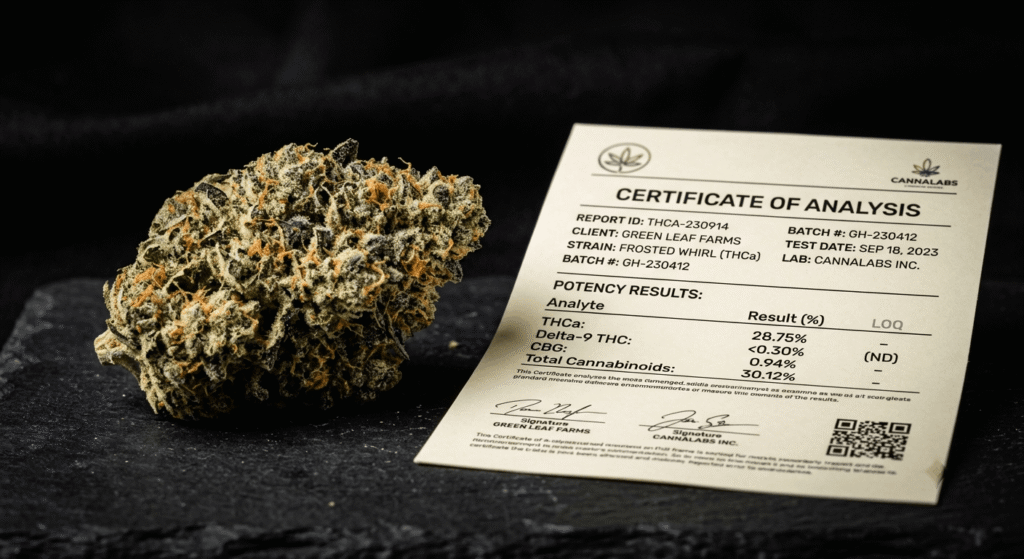
Check the Certificate of Analysis to ensure THCA percentage (often 20% or higher) meets your needs, and that delta-9 THC remains within legal limits. - Select Consumption Method
Decide whether you will smoke, vape, or create edibles. Remember: only heat-based methods generate psychoactive effects. - Apply Proper Decarboxylation
Ensure you heat the flower thoroughly. Smoking or vaping usually does this automatically. For edibles, decarb at 220°F (104°C) for 30–40 minutes before cooking. - Begin With Caution
Start with a small dose to determine your tolerance, and gradually increase as needed to avoid strong THCA side effects. - Verify Local Laws
Before buying or using THCA products, consult Shipping Information and Terms & Conditions to confirm legality in your area. - Monitor For Reactions
Watch for THCA side effects like dry mouth, dizziness, or fatigue. Consult a healthcare provider if you have pre-existing health conditions.
For personalized advice or product details, Contact Co Exotics or check the Home page for more.
What Makes It Popular?
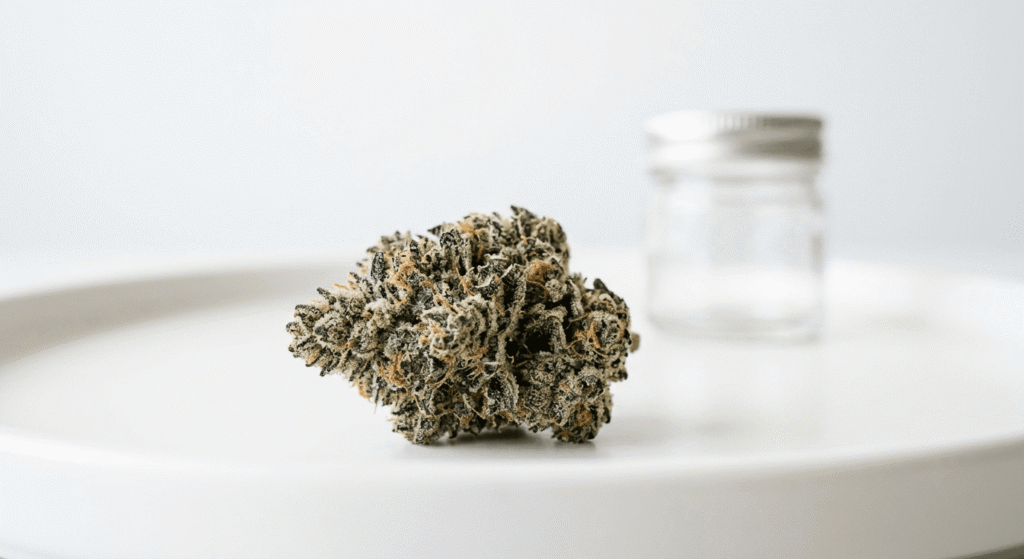
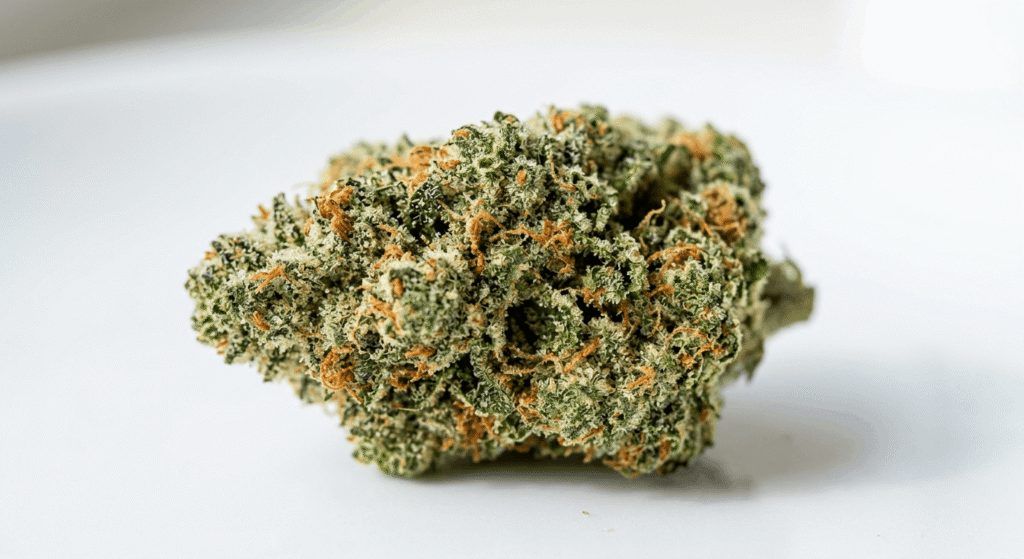
THCA flower refers to cannabis or hemp flower bred for a high THCA content with minimal delta-9 THC, keeping it technically legal under current federal guidelines. Such flower looks, smells, and feels like typical marijuana but is classified separately due to its cannabinoid profile.
Potency and Trends
Lab analyses from Secret Nature and other brands show premium THCA flower strains testing at 25–34% THCA, with some “diamonds” reaching up to 99%. High-potency options such as Lemon Cherry and White Truffle routinely exceed 30% THCA, offering an intense, euphoric experience when decarboxylated. THCA flower is one of the fast-growing hemp product segments due to its potency, aroma, and legal status.
The Legal Loophole
Until the end of 2026, THCA flower containing less than 0.3% delta-9 THC is legally classified as hemp in the U.S., providing customers a “legal high” even in states where recreational marijuana is banned. However, the upcoming change in federal law will redefine hemp as including total THC (THC + THCA). This means most THCA flower will be prohibited federally by November 2026, impacting both consumers and producers significantly. For a full map of THCA flower legal states, check our dedicated guide.
THCA High vs THC High
| Feature | THCA (Unheated) | THCA (After Heating) | Standard THC (Marijuana) |
|---|---|---|---|
| Psychoactive | No | Yes | Yes |
| Onset | None | 1–3 min (smoked/vaped) | 1–3 min (smoked/vaped) |
| Duration | None | 1–3 hours | 1–3 hours |
| Potency | Not applicable | High (20–34% typical flower) | High (15–30% typical flower) |
| Legality (US, 2026) | Legal, <0.3% Δ9 THC | In flux/soon federally illegal | Federally illegal (outside medical) |
| Drug Test Risk | No | Yes | Yes |
THCA Side Effects and Safety
Once THCA is heated and transformed into THC, the side effects mirror those of typical cannabis. These may include:
- Dry mouth
- Dizziness or lightheadedness
- Red, irritated eyes
- Fatigue or lethargy
- Increased appetite (“munchies”)
- Anxiety or paranoia (especially at high doses)
- Rapid heartbeat
- Temporary short-term memory loss
Safe Practices and Product Testing
Both THCA and THC may interact with sedatives, antidepressants, alcohol, or prescription medications. Individuals with psychiatric, cardiac, or metabolic conditions should practice extra caution and consult a physician before use. Always prove product safety by reviewing Certificates of Analysis and contaminant screening, such as those on Lab Results, before consuming.
Common Mistakes When Using THCA Products
Several errors can limit effectiveness or cause safety risks when using THCA flower or concentrates:
- Eating raw THCA flower expecting a high: Only heat transforms THCA and produces a psychoactive effect.
- Misreading product labels: Confusing “total THC,” “delta-9 THC,” and “THCA %” can lead to overconsumption or accidental legal infractions.
- Improper decarboxylation: Failing to heat adequately leaves much THCA inactive, diminishing potency.
- Ignoring changing state or federal laws: Always reference the latest Terms & Conditions.
- Not consulting lab reports: Use only products verified against contaminants and potency via Lab Results.
Consult Privacy Policy for data security and safety, and visit Blogs for more buying tips.
FAQs
1. Does eating raw THCA flower get you high?
Raw THCA flower will not get you high. According to sources like ScienceDirect and WebMD, the compound’s chemical structure prevents psychoactive effects unless decarboxylated by heat.
2. What happens if you smoke THCA flower?
Smoking THCA flower instantly decarboxylates its compounds, turning THCA into active THC. This process typically produces a strong high within 1–3 minutes, providing sensations similar to standard marijuana.
3. Is THCA legal where I live?
As of 2026, THCA flower remains federally legal in the United States if it contains less than 0.3% delta-9 THC. However, regulations are quickly changing, with many states banning or restricting THCA products and a federal law shift likely to ban most THCA flower in 2027.
4. How is THCA potency measured?
Potency is determined by third-party laboratory analysis, which reports cannabinoid percentages based on dry weight. High-quality THCA flower often tests over 20% THCA, with “diamonds” exceeding 90%. Always verify these numbers using a Certificate of Analysis.
5. Can THCA show up on a drug test?
Yes, if you smoke, vape, or ingest edibles made from decarboxylated THCA flower, the THC produced can trigger a positive result on most standard cannabis drug tests.
Conclusion
THCA high only occurs when THCA is properly decarboxylated, transforming it into psychoactive THC. Understanding the nuances of THCA flower, potential side effects, and legal changes will empower consumers to use these products safely and responsibly. Rely on trusted sources like Co Exotics for up-to-date info, only purchase from shop with available lab results, and consult product analysis before consuming to ensure both safety and compliance.