Quick Answer Box: Indica vs. Sativa vs. Hybrid refers to three primary cannabis categories indica strains, sativa strains, and hybrids which differ in appearance, chemical profile, and typical effects. Understanding these differences helps consumers select cannabis better matched to their desired experience, potency, flavor profile, and safety preferences.
What is Indica vs. Sativa vs. Hybrid?
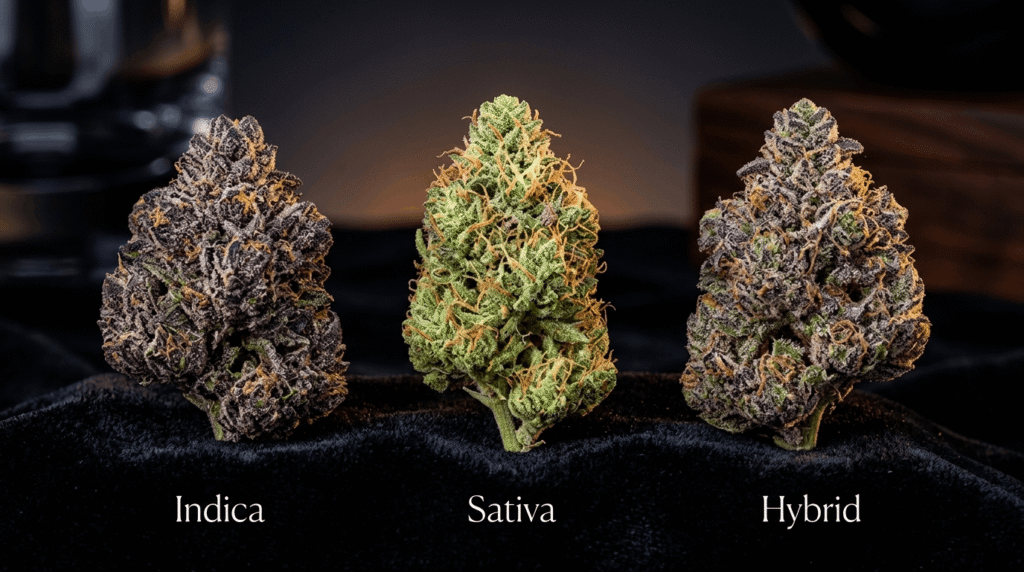
Indica vs. Sativa vs. Hybrid describes the three main types of cannabis strains, differentiated by their origins, effects, and chemical composition. Indica strains are typically relaxing and sedative, sativa strains are energizing, while hybrids blend characteristics from both parents. These categories guide users in choosing strains that best match their needs.
TL;DR
- Most cannabis sold is hybrid, not pure indica or sativa.
- Effects are primarily determined by the plant’s chemical profile especially THC, CBD, and terpene profiles.
- Lab testing ensures product safety, potency, and accurate labeling for strains, including thca flower.
- Indoor thca flower generally offers higher potency and more complex aroma than outdoor flower.
Physical Characteristics: Appearance and Growth Patterns
Physical traits can help identify the lineage of a particular cannabis plant but are not a reliable indicator for predicting potency or effects. Indica strains are known for their compact, bushy structure, broad dark green leaves, and suitability for shorter, cooler growing seasons, which makes them popular in mountainous regions. Their quick flowering cycle is advantageous for growers aiming for rapid harvests.
Sativa strains display a tall and slender profile with elongated, light-green leaves. These plants thrive in hot climates found near the equator, such as Central and South America, and tend to require longer flowering periods due to the prolonged summer conditions.
Hybrid strains are bred to combine and optimize traits from both indica and sativa strains. This means hybrids can range anywhere from short and bushy to tall and airy, with attributes determined by their specific breeding. For growers, recognizing these growth patterns helps with environmental control and cultivation planning. However, for most consumers, it’s essential to focus on the plant’s cannabinoid and terpene content rather than its appearance.
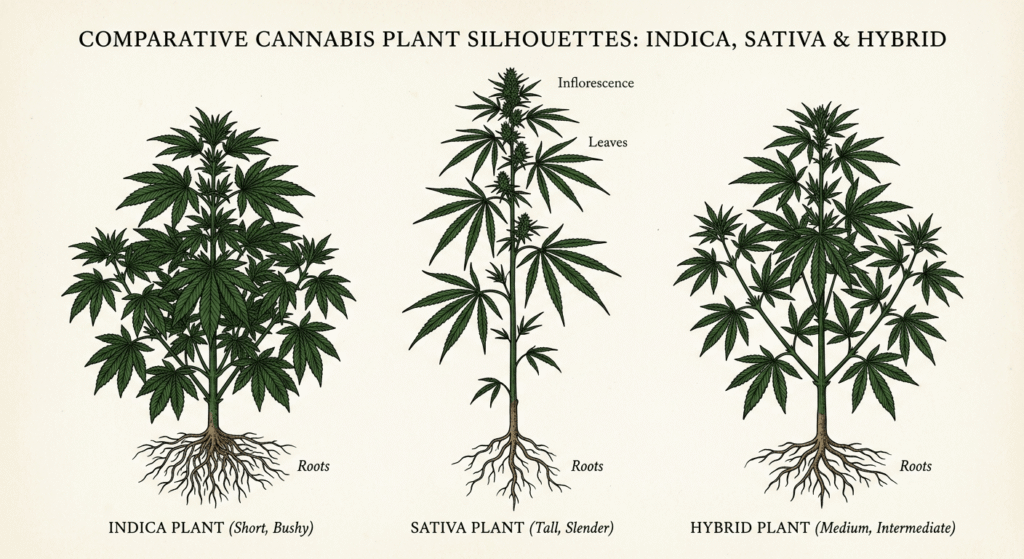
Plant Morphology and Potency
Plant morphology can influence the ease of cultivation but should not be mistaken for an indicator of a specific experience or potency. Even visually similar plants can yield different effects, depending on their chemical makeup.
The Roots of Each Strain
Indica strains likely originated in the Hindu Kush mountain region, spanning Afghanistan, Pakistan, and northern India. Their tough conditions led to hardy plants capable of surviving harsh climates and limited sunlight.
Sativa strains evolved in tropical or subtropical environments in regions such as Mexico, Colombia, and Southeast Asia. Abundant sunlight encouraged their tall, sprawling growth.
Hybrid strains have become dominant since the late 20th century, with breeders intentionally cross-pollinating indica and sativa varieties to combine desirable traits. This led to a dramatic rise in hybrid strains, which now constitute the majority of products on the legal market. Breeders can select for properties like higher potency, specific flavor profiles, or unique effects, producing a wide spectrum of experiences for cannabis users.
The Prevalence of Hybrid Strains
Most dispensaries and online retailers today offer mainly hybrid strains. Pure indica and sativa strains are increasingly rare due to extensive cross-breeding that prioritizes specific user preferences and cultivation advantages.
Cannabinoids and Terpenes
A strain’s effects are most accurately determined by its chemical profile, which includes specific ratios of cannabinoids and terpene profiles. The two central cannabinoids are THC (tetrahydrocannabinol), known for its psychoactive effects and potency, and CBD (cannabidiol), noted for its therapeutic benefits without intoxication.
Indica strains often carry relatively balanced or slightly higher CBD:THC ratios, which may contribute to a more relaxing effect. Sativa strains generally contain higher THC levels, but modern research and widespread hybridization have made these distinctions less pronounced.
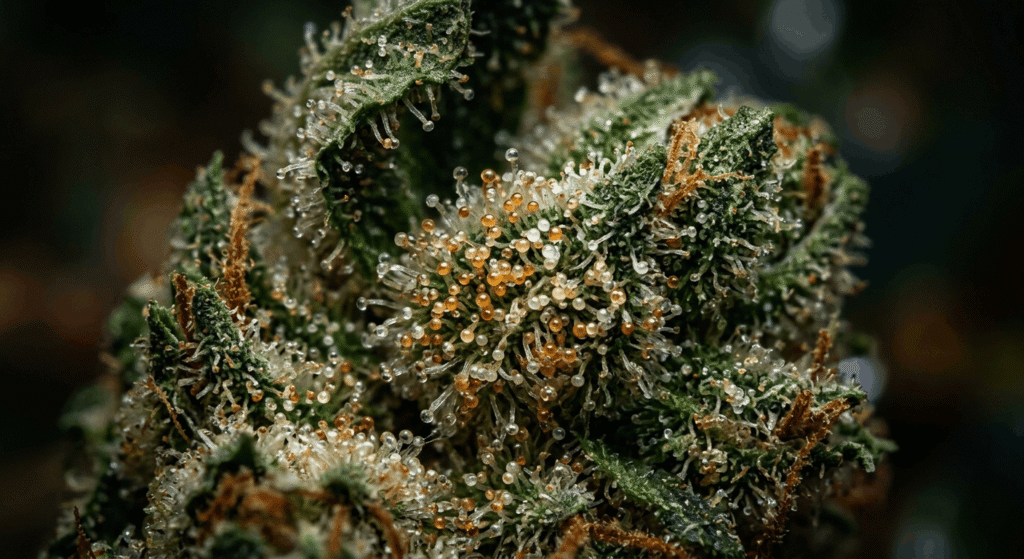
Terpenes are aromatic compounds, such as myrcene, limonene, and pinene, which dictate aroma, flavor, and further contribute to effects myrcene is linked to muscle relaxation, limonene to mood elevation, and pinene to mental clarity. The interaction of cannabinoids with terpenes produces what is known as the entourage effect, shaping the overall user experience.
Reviewing detailed third-party lab testing highlights the actual chemical composition of each batch, including THC, CBD, and terpene breakdown. This transparency enables informed consumer decisions that go beyond marketing labels.
Terpene Profiles and Effects
Understanding terpene profiles is crucial for predicting not only aroma and flavor but also possible effects. For example, a strain high in linalool might be more calming, while one high in beta-caryophyllene may appeal to those seeking relief from discomfort.
Flavor Profile and Aroma
A strain’s flavor profile and aroma are direct reflections of its terpene content and influence user preference as well as effects. Indica strains typically present earthy, musky, or pine-like flavors, appealing to users seeking a grounding experience. Sativa strains tend to offer bright, citrusy, or herbal notes, which align with their reputation for uplifting effects.
Hybrids can display an extensive array of flavors and aromas, blending attributes from both parent strains. For example, a hybrid may combine the sweet fruitiness of a sativa-dominant parent with the spicy, herbal aroma of an indica.
Those who prioritize flavor and aroma often rely on detailed lab results to verify terpene content. Selecting products based on tested flavor profile ensures a more consistent experience and enjoyment.
How to Use Flavor Profile in Strain Selection
If you prefer specific flavors or dislike particular aromas, focusing on terpene content can help you identify cannabis strains best suited to your taste. Terpenes like limonene create citrus notes popular among many users.
Indica vs Sativa Effects Explained
Traditional wisdom suggests that indica strains provide relaxing “body highs,” sativa strains deliver energizing “head highs,” and hybrids fall somewhere between. Indica strains are commonly chosen for nighttime use, pain relief, or reducing anxiety and insomnia. Sativa strains are thought to increase alertness, boost creativity, and promote positive social interactions, making them desirable for daytime use.
However, peer-reviewed studies and organizations such as Cannabis and Cannabinoid Research have shown that indica vs sativa effects cannot always be predicted by these labels. Instead, a strain’s specific THC, CBD, and terpene balance and your body’s individual response drive the experience. Consumers may find an energizing sativa that feels sedative or an indica strain with unexpected uplifting qualities.
To accurately anticipate potency and effects, check third party lab results, and consider your own reactions and preferences. This focus leads to choices better tailored to your needs whether for recreational or medical purposes.
Choosing for Specific Effects
Discussing your goals with a knowledgeable budtender or health professional can clarify which strains will most likely deliver desired effects for conditions like sleep support, stress reduction, or creativity boosts.
Hybrid Strains: Indica-Dominant vs. Sativa-Dominant vs. Balanced
The dominance of hybrid strains in the cannabis market reflects advanced breeding practices. Hybrids are divided into:
- Indica-dominant hybrids: Prioritize calming, physical effects or larger yields, often borrowing unique flavors from sativa lines.
- Sativa-dominant hybrids: Lean toward energizing and cerebral effects, while sometimes including soothing body sensations.
- Balanced hybrids: Aim for a harmonious mix of relaxation and stimulation, making them popular for versatile day-to-night use.
This variety gives users the flexibility to target specific effects, flavors, and potency. When evaluating hybrid strains, rely on lab-tested chemical and terpene profiles, not simply marketing terms. Consider whether you prefer a particular aroma, flavor profile, or effect, and always review updated lab testing to ensure accuracy.
Customizing Your Cannabis Experience with Hybrid Strains
Hybrid breeding allows for targeting nuanced needs such as pain management without sedation or focus without anxiety. Experienced consumers often experiment with different hybrid profiles to find their ideal balance.
THCA Flower: Understanding the Difference
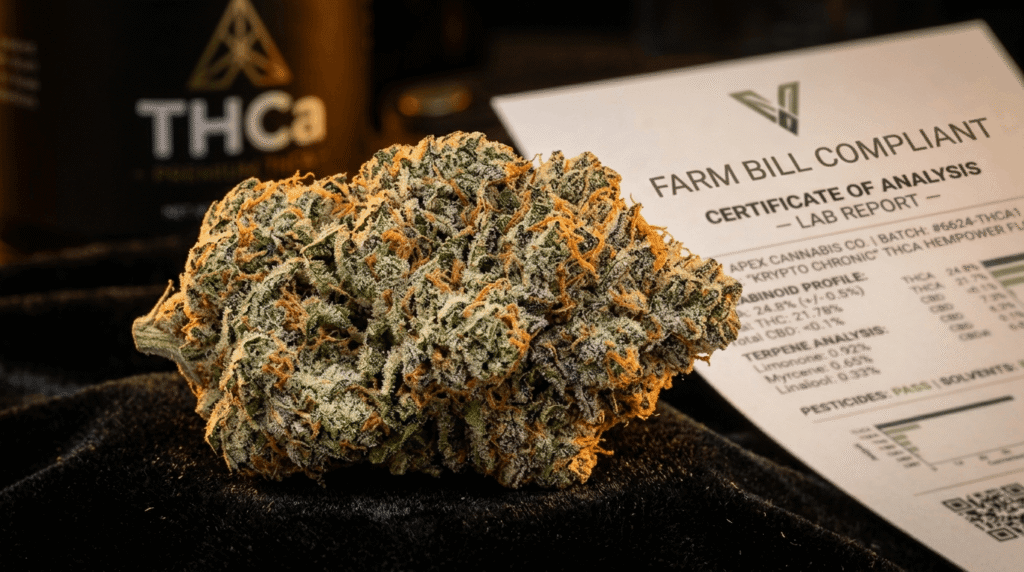
THCA flower is cannabis harvested for its high content of tetrahydrocannabinolic acid (THCA) the non psychoactive precursor of THC. In raw form, thca flower does not cause intoxication. Once heated through smoking, vaping, or cooking (a process called decarboxylation), THCA converts to THC, producing effects similar to regular cannabis.
This difference allows thca flower to fit within certain legal definitions, remaining compliant with the 0.3% delta-9 THC limit before activation. Strain type indica, sativa, or hybrid still matters, as these influence the final effect post-activation. Lab testing and COA documentation confirm cannabinoid content, safety, and legal compliance.
The thca flower difference hinges on its ability to offer legal access to cannabinoids with the potent effects of cannabis once activated. Varieties of thca flower include indica, sativa, and hybrid strains, each bred for unique flavor profiles, aroma, and potential effects.
THCA vs Delta-9 Legality and Availability
Many states allow the sale of thca flower due to its raw, non-psychoactive status. However, laws vary, so users should review shipping information and local regulations before purchase to ensure legal compliance.
Indoor vs. Outdoor THCA Flower
How thca flower is cultivated indoors or outdoors impacts its potency, flavor profile, and aroma. Indoor thca flower often has tighter, denser buds, elevated cannabinoid concentrations, and pronounced terpene profiles. High control over growing conditions allows for specialty strains with unique and appealing characteristics.
Outdoor thca flower, grown under natural sunlight, may present larger but less dense buds. Its flavor and aroma are influenced by environmental factors, resulting in earthy or natural notes. Outdoor cultivation is generally more sustainable and cost-effective, appealing to both environmentally conscious and budget-minded consumers.
Choosing between indoor thca flower and outdoor thca flower is a matter of balancing priorities like potency, complex aroma, sustainability, and budget. Connoisseurs often value indoor flower for its heightened flavors, while some prefer the authenticity and environmental benefits of outdoor cultivation.
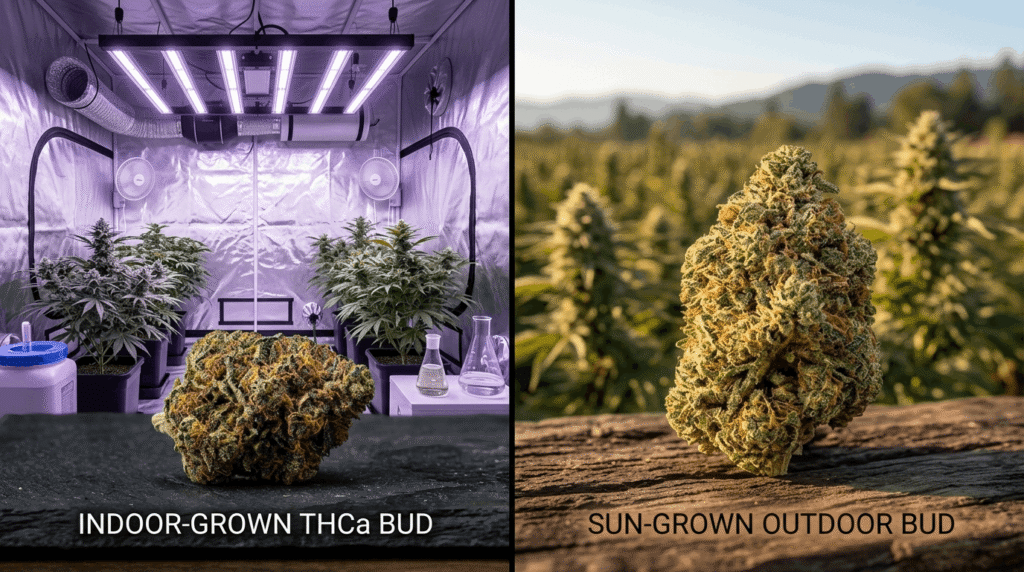
Aroma and Potency Differences
Indoor flower is typically chosen for its potency and diverse terpene profiles, making it a top pick for those seeking standout flavors and effects. Outdoor flower favors those who appreciate sun-grown authenticity and desire a more natural taste.
Lab Testing: Ensuring Potency and Safety
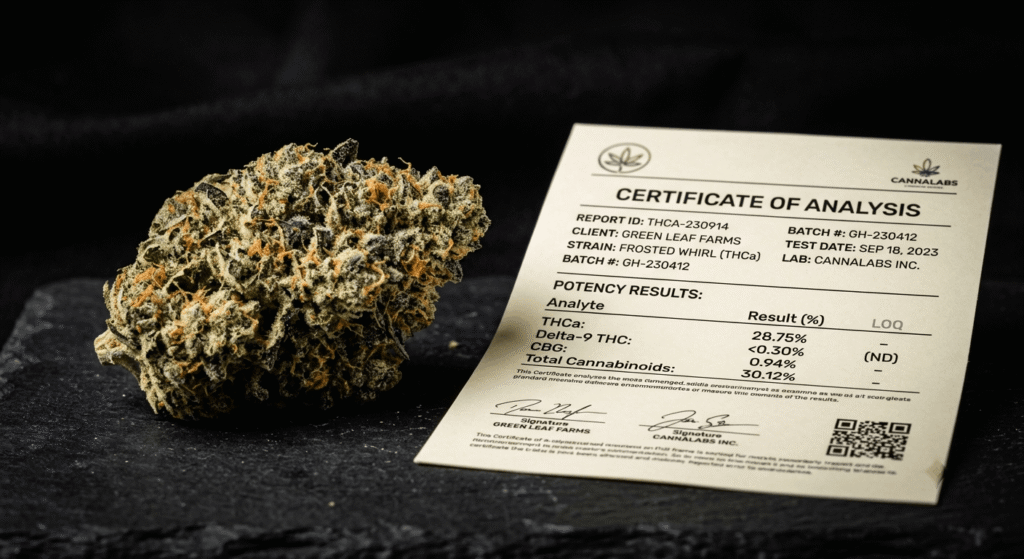
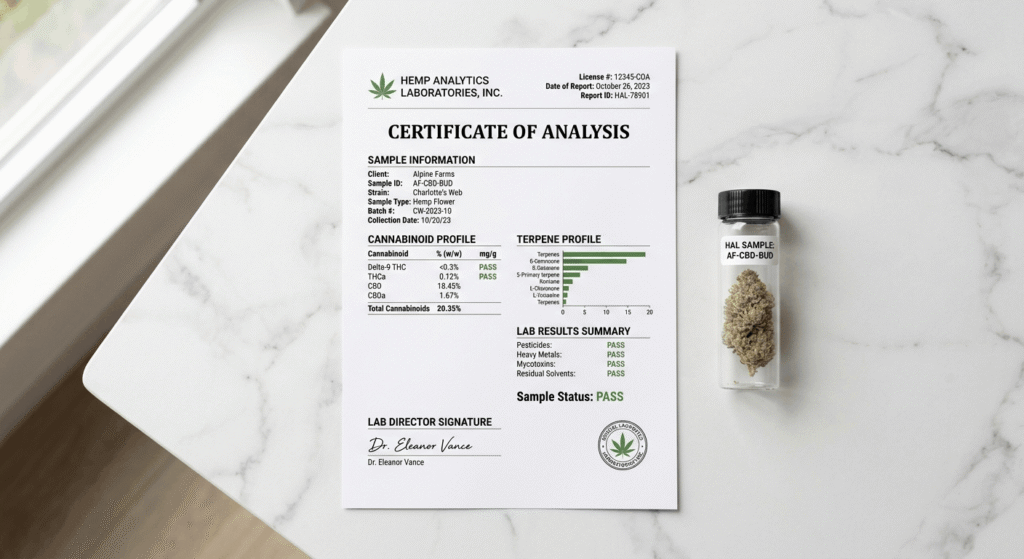
Lab testing underpins trust in cannabis products. Consumers should insist on Certificates of Analysis (COAs) from verified independent labs, which detail THC, CBD, THCA, and terpene profiles. Comprehensive lab testing also screens for contaminants such as pesticides, mold, or heavy metals which ensures safety and consistency in both traditional and thca flower products.
Important elements to look for in lab results include:
- Potency: Breakdown of THC, CBD, THCA, and total cannabinoid percentage.
- Terpene profiles: Indication of which compounds dominate the flavor profile and may impact effects.
- Safety: Confirmation the product is free of hazardous contaminants.
Reputable brands clearly display these results online or in-store. If lab results or COAs are not readily available, reconsider your purchase to prioritize your health and satisfaction.
How to Read Cannabis Lab Results
Learn how to read cannabis lab results to understand what a COA actually tells you about your product’s potency and safety. This is especially useful for comparing similar strains or shopping new products confidently.
Indica vs. Sativa vs. Hybrid
| Feature | Indica | Sativa | Hybrid |
|---|---|---|---|
| Plant Appearance | Short, bushy, broad leaves | Tall, lanky, thin leaves | Varies—mixed traits |
| Origin | Hindu Kush mountains | Equatorial/tropics | Bred, anywhere |
| Potency (typical) | Moderate to high THC, sometimes higher CBD | Often high THC, lower CBD | Varies by cross |
| Main Effects | Relaxation, sedation, body high | Energy, focus, head high | Balanced/mixed |
| Flavor/Aroma | Earthy, musky, pine | Citrus, fruity, herbal | Broad range—combination |
| Usage | Nighttime, pain, sleep | Daytime, creativity | Any time—customizable |
| Prevalence | Rare as pure strain | Rare as pure strain | Dominates market |
How to Choose the Right Strain
Selecting the right cannabis strain requires balancing your specific needs, preferred flavor profile, and trusted laboratory data. Follow these steps:
- Identify Your Desired Effects: Decide whether you’re searching for relaxation, energy, pain relief, creativity, or sleep support. Clear goals help narrow down options quickly.
- Review Chemical Profiles and Lab Results: Don’t rely on names or packaging. Focus on THC, CBD, and terpene content, using lab testing reports for accuracy. Check the latest lab results for any product.
- Consider Flavor, Aroma, and Consumption Method: If you dislike musky or spicy aromas, seek out strains with citrus or fruity terpene dominance. Also, think about your preferred method (smoking, vaping, edibles, topical) since each impacts onset and intensity.
- Consult a Budtender or Medical Professional: Experienced budtenders or cannabis-specialist healthcare providers can interpret lab results and recommend strains aligned with your needs. Bring your goals and tolerance level to the conversation for tailored advice.
- Start Low and Track Results: Begin with a low-potency product, take minimal doses, and keep notes on your experiences. Adjust future selections based on what worked—or didn’t—rather than relying solely on strain categories.
Common Mistakes When Choosing Cannabis Strains
Relying merely on “indica,” “sativa,” or “hybrid” labels is a common error, as these don’t guarantee consistent results. Allowing THC percentage to override considerations of terpene profiles or method of consumption can lead to disappointment. Not requesting or reviewing lab testing introduces risks from potential contaminants. Neglecting your personal tolerance or forgoing consultation with a budtender or health professional, especially when using cannabis for medical reasons, can result in uncomfortable experiences.
Ignoring the value of aroma, flavor profile, and safety in favor of price may cause you to miss out on the best options. Keep in mind, regularly updating your knowledge with new blog posts and product information supports more informed choices.
Maintaining Consistency with Trusted Sources
Relying on trusted dispensaries, such as RISE Dispensaries, and reputable seed banks like SeedsHereNow helps ensure you’re buying lab-tested, high-quality cannabis.
Frequently Asked Questions
1. What’s the real difference between indica, sativa, and hybrid strains?
Indica strains are generally linked to sedative, relaxing effects, sativa strains to energizing or stimulating effects, and hybrids to a balanced mix. However, independent lab testing typically provides a more accurate view of any strain’s true impact, since effects result primarily from cannabinoids and terpenes.
2. How can I tell if a flower is truly indica, sativa, or hybrid?
Morphological traits, such as leaf shape or plant height, may give some hints but are not definitive. Most cannabis on the market is a hybrid. For truly accurate strain information, check the genetic history provided by reputable growers or dispensaries, and always look for accompanying lab results.
3. Does THCA flower have different effects from regular cannabis?
In its raw form, thca flower is non-psychoactive. Only when heated does THCA convert to THC, producing effects similar to regular cannabis. The type of strain indica, sativa, or hybrid and the specific terpene and cannabinoid makeup will define its impact once activated.
4. What should I look for in cannabis lab results?
Review COAs for THC, CBD, and THCA percentages, as well as terpene profiles. Confirm the product tests clean for heavy metals, pesticides, and microbial contaminants. This assures both safety and consistent potency.
5. How important is the terpene profile compared to THC level?
The terpene profile can be just as important as THC content. While THC drives psychoactivity, terpenes shape the specific experience, influencing factors like relaxation, energy, aroma, and flavor profile. Taking both into account results in a better-tailored, more satisfying cannabis experience.
Conclusion
Choosing between Indica vs. Sativa vs. Hybrid, or thca flower, means understanding more than labels. By focusing on accurate lab testing, reviewing terpene profiles, and matching flavor profile, potency, and effects with your personal needs, you’ll find a cannabis product suited to your specific lifestyle and goals. Use trusted sources, consult knowledgeable professionals, and regularly update your knowledge to make the most of every cannabis experience.