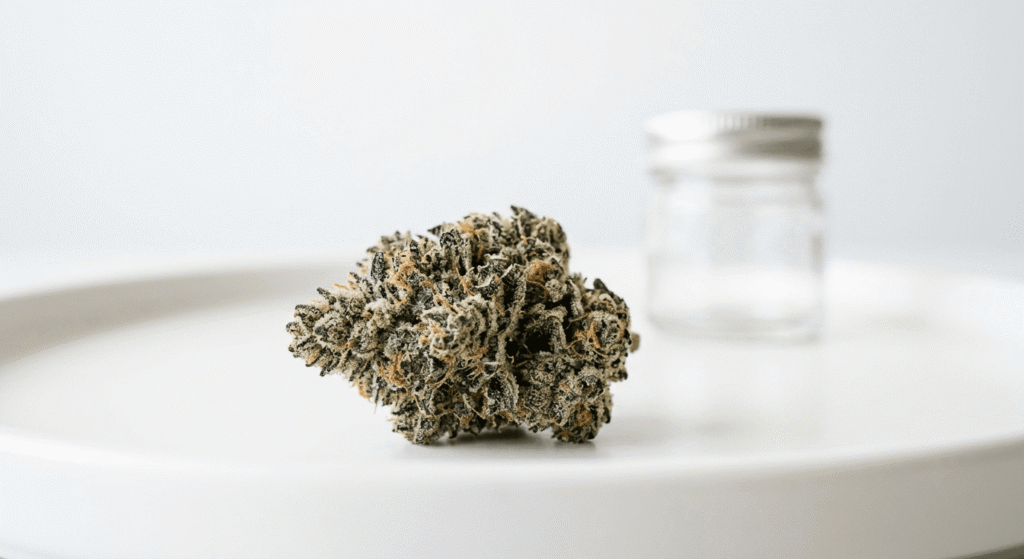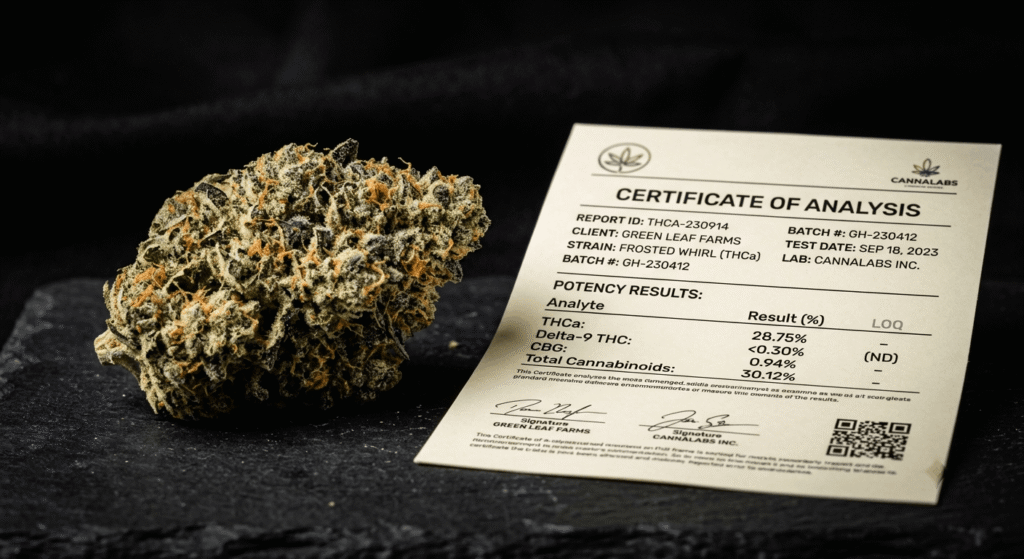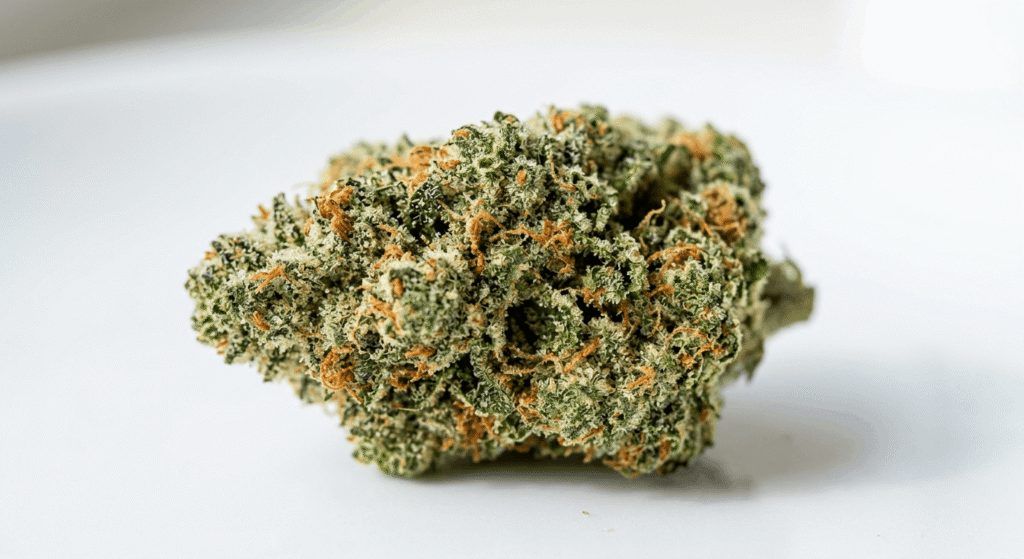
Quick Answer Box: Terpenes are aromatic compounds found in cannabis and many other plants, creating unique scents, flavors, and potential effects. Cannabis terpenes influence how each strain smells, tastes, and even how it might affect your experience.
What Are Terpenes?
Terpenes are aromatic compounds naturally produced by cannabis and other plants, responsible for their signature scents, flavors, and a range of biological effects. In cannabis, terpenes interact with cannabinoids to shape each strain’s aroma, taste, and potential impact on your body and mood.
TL;DR
- Cannabis contains over 150 terpenes; myrcene is the most common, dominating up to 65% of some strains’ profiles.
- Terpene profiles predict aroma, taste, and potential effects when choosing cannabis products.
- The entourage effect: terpenes and cannabinoids work together to shape cannabis’ impacts.
- Store cannabis at 55–65% humidity to best preserve terpenes and flavor.
Terpenes in Cannabis: Aromatic Compounds and Their Role
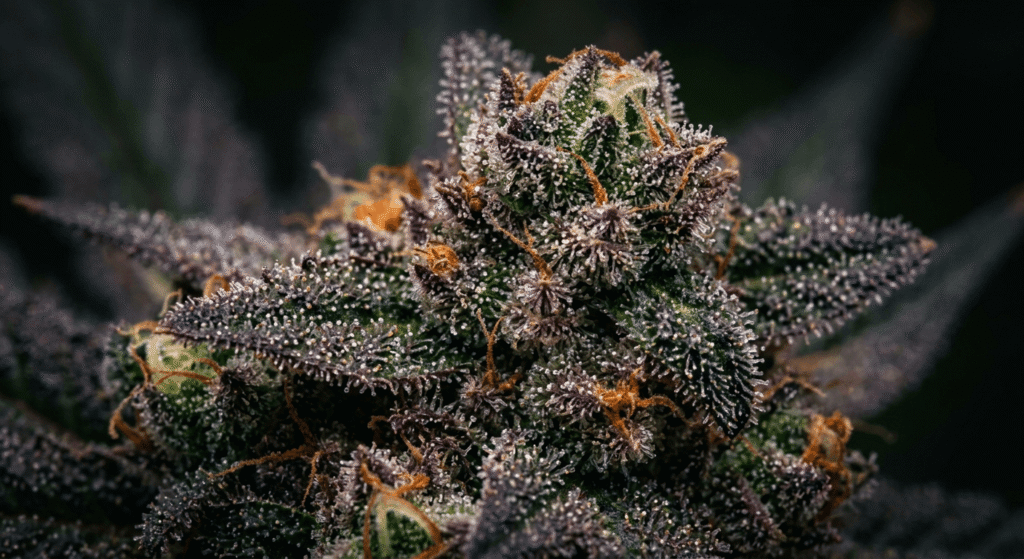
Cannabis terpenes are created in specialized resin glands called trichomes, which also produce cannabinoids such as THC and CBD. These aromatic compounds serve multiple purposes for the plant: attracting pollinators, deterring pests, and safeguarding against harsh environmental conditions. The dominant terpenes in cannabis dictate its distinctive scents citrus, pine, earth, or spice making each strain unique.
The specific terpene profiles, or blends of individual terpenes, are why strains like Blue Dream and OG Kush create such different olfactory and sensory experiences. Terpenes also engage with cannabinoids, potentially modulating effects such as alertness, calm, or euphoria, thus influencing both the body and mind.
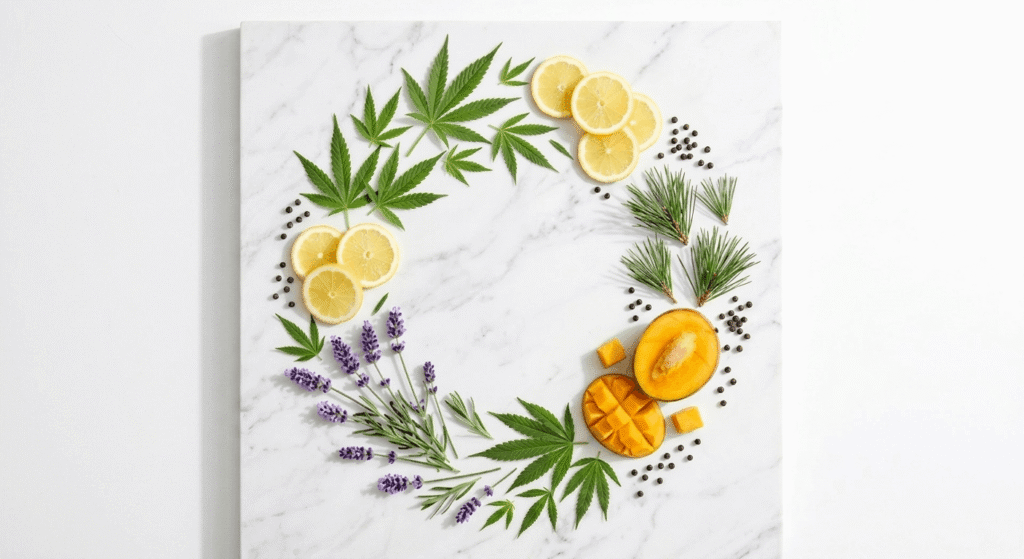
Cannabis Terpenes and the Sensory Experience
Aromatic compounds go beyond just creating fragrance. For example, limonene delivers a terpene benefit of bright citrus scents and energizing effects, while myrcene delivers musky relaxation. This interplay not only appeals to our senses but can signal certain physiological effects to look for when trying new strains.
Terpene Profiles: Understanding and Interpreting Them
A terpene profile is the aromatic fingerprint of a cannabis variety or product, typically featuring a handful of dominant terpenes among hundreds present. These terpene profiles provide valuable consumer information for aroma, taste, and selecting the right cannabis product for your needs.
When you review lab results or product labels, scan for the primary terpenes myrcene, limonene, pinene, caryophyllene, linalool, and humulene. Each dominant compound offers clues about the sensory qualities and potential effects. For example, high levels of pinene can mean a pine-forward scent and possible increased focus, while a myrcene-rich profile might suggest more deeply relaxing qualities.
Terpene charts are valuable tools for interpreting this data. Understanding how to use these charts helps you align your choices with your goals, whether that is calm, energy, creativity, or focus.
How to Use Terpene Profiles When Choosing Cannabis Products
Mastering terpene profiles empowers you to pick cannabis products matched to your ideal aroma, flavor, and effect. Follow these steps:
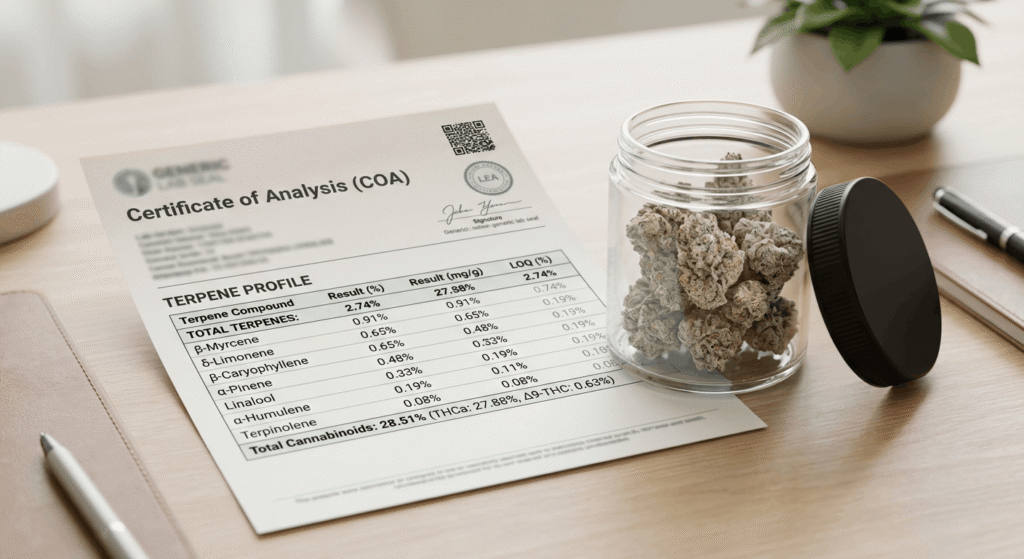
- Find Lab Results or Product Label
Check reputable dispensaries or brands for Certificates of Analysis (COAs) or detailed terpene lists. Look on product labels or visit Lab Results. - Identify the Dominant Terpenes
Note the top three terpenes, as they shape both the scent and the likely effects (e.g., myrcene, limonene, caryophyllene). - Review the Aromas and Associated Effects
Terpene charts or guides should clarify what scents and outcomes to expect—calm, energy, clarity, or focus. - Consider Your Desired Experience
Decide if you want a soothing effect (seek myrcene or linalool) or a more energizing experience (look for limonene or pinene). Match the product’s terpene profiles to your desired outcomes. - Compare Across Products
Go beyond strain names or THC content. Many brands publish a full terpenes list for transparency, which you can use to make side-by-side product comparisons. - Ask for Guidance
If the terpene chart is overwhelming, ask experienced budtenders or consult educational Blogs for deeper terpene reviews.
By shopping with terpene profiles in mind, you can tailor your cannabis experience much more precisely than by relying on strain names alone.
Common Cannabis Terpenes and Their Benefits
Cannabis contains more than 150 terpenes, but just a handful create the major aromatic and therapeutic impacts. Below is an overview of the six most influential cannabis terpenes, their aromas, potential benefits, and popular strains where they dominate.
Myrcene
Myrcene is often the most abundant terpene in cannabis, accounting for up to 65% in certain varieties. This compound emits a musky, earthy aroma reminiscent of cloves, shaping the “classic” cannabis fragrance many recognize.
The primary terpene benefits of myrcene include deep relaxation and mild sedation, making myrcene-rich strains popular for evening use or stress relief. Compounds like myrcene may also provide anti-inflammatory support based on human studies. Examples of myrcene-dominant strains are Granddaddy Purple, Blue Dream, and OG Kush.
Limonene
Limonene is another mainstay among cannabis terpenes, infusing strains with bright, citrusy aromas like lemon and orange. This terpene is associated with mood enhancement and a potentially uplifting effect, also offering antimicrobial properties.
Strains like Super Lemon Haze and Banana Diesel typically have abundant limonene. Research from the University of Arizona points to further terpene benefits such as stress reduction and improved mood.
Pinene
Pinene, which can be split into alpha-pinene and beta-pinene, is recognized for its distinct pine needle scent in many cases evoking forests and herbal notes. This terpene is linked to enhanced cognitive alertness, mental clarity, and possible respiratory benefits.
Pinene is common in Jack Herer and Blue Dream. There is early scientific data suggesting that pinene could help reduce THC-induced memory impairment, making it a valuable part of diverse terpene profiles.
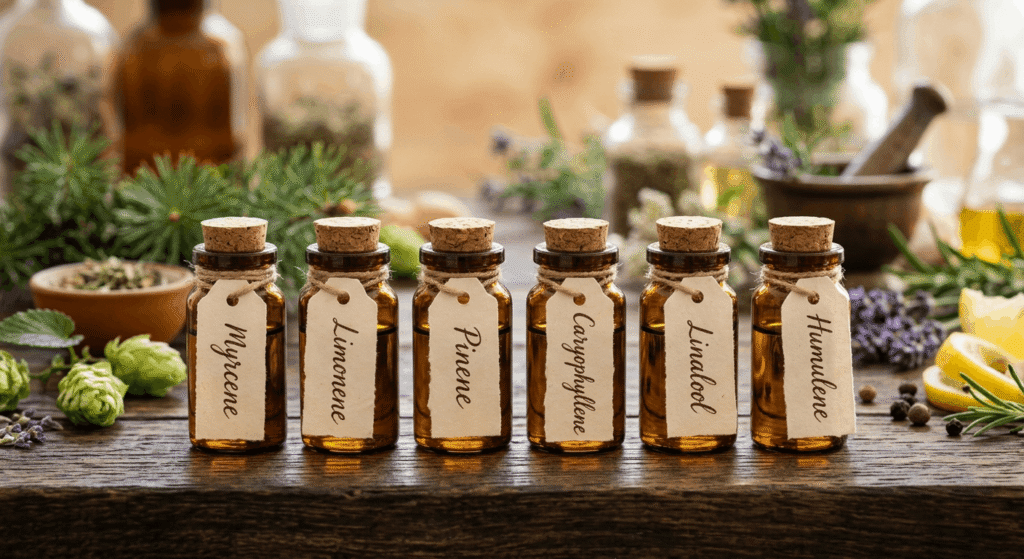
Caryophyllene
Caryophyllene stands out because it is the only known terpene to bind directly to the CB2 cannabinoid receptor in the human body. Its spicy, peppery aroma is unique among cannabis terpenes.
This interaction suggests that caryophyllene may offer balancing, anti-anxiety, and anti-inflammatory properties. Common in strains like OG Kush, Girl Scout Cookies, and Bubba Kush, caryophyllene is a sought-after terpene for those prioritizing functional wellness.
Linalool
Linalool is a floral-scented terpene that imbues strains with the fragrance of lavender or delicate flowers. It is prized for its terpene benefits such as calming, anti-anxiety, and sedative effects traits that make it prominent in aromatherapy and stress-relief blends.
You can find high concentrations of linalool in strains such as Amnesia Haze and Do-Si-Dos, ideal for those who want cannabis that soothes daily stressors.
Humulene
Humulene’s aroma is earthy, woody, and faintly spicy, similar to hops, black pepper, or sage. This terpene is distinct as it may act as an appetite suppressant, unlike many cannabis terpenes, and displays anti-inflammatory effects.
Humulene is a dominant aromatic compound in strains such as Skunk XL and White Widow, appealing to consumers who seek focused effects without the “munchies.”
Terpene Chart: Comparing the Most Common Cannabis Terpenes
Here’s a terpene chart for quick comparison, summarizing aromas, potential effects, and representative strains:
| Terpene | Aroma/Flavor | Potential Effects | Common Strains | Boiling Point (°F) |
|---|---|---|---|---|
| Myrcene | Earthy, musky | Relaxing, sedating | Granddaddy Purple, OG Kush | ~334 |
| Limonene | Citrus, lemon | Uplifting, mood-elevating | Super Lemon Haze, Banana Diesel | ~348 |
| Pinene | Pine, herbal | Alertness, focus, respiratory | Jack Herer, Blue Dream | ~312 |
| Caryophyllene | Spicy, peppery | Anti-inflammatory, calming | Bubba Kush, GSC | ~266 |
| Linalool | Floral, lavender | Calming, sedative | Do-Si-Dos, Amnesia Haze | ~388 |
| Humulene | Earthy, woody | Appetite suppression | Skunk XL, White Widow | ~225 |
Boiling points are important: higher temperatures during smoking can destroy certain terpenes, reducing aroma and effect. Vaping at the correct temperature or using proper storage techniques ensures maximum retention of these aromatic compounds.
How Terpenes and Cannabinoids Work Together
One of the most fascinating phenomena in cannabis science is the entourage effect this describes the synergistic interplay between cannabinoids (like THC and CBD) and cannabis terpenes, which collectively shape the final effect felt by the user. Instead of a single chemical acting alone, the interplay between compounds like myrcene, limonene, and pinene with cannabinoids modulates the effect, influencing mood, pain relief, alertness, and duration.
Data from the University of Arizona Health Sciences highlights that certain terpene profiles can enhance or even amplify the therapeutic properties of cannabinoids, sometimes surpassing the pain-relief levels of prescription painkillers, but with fewer negative side effects. To learn more about this synergy, explore a detailed cannabis entourage effect guide for deeper understanding.
Exploring the Entourage Effect in Product Choices
When selecting products, look for full-spectrum options that retain native terpene profiles, as these are more likely to provide the complex benefits associated with whole-plant cannabis. Always consult trusted Lab Results to ensure product quality and profile transparency.
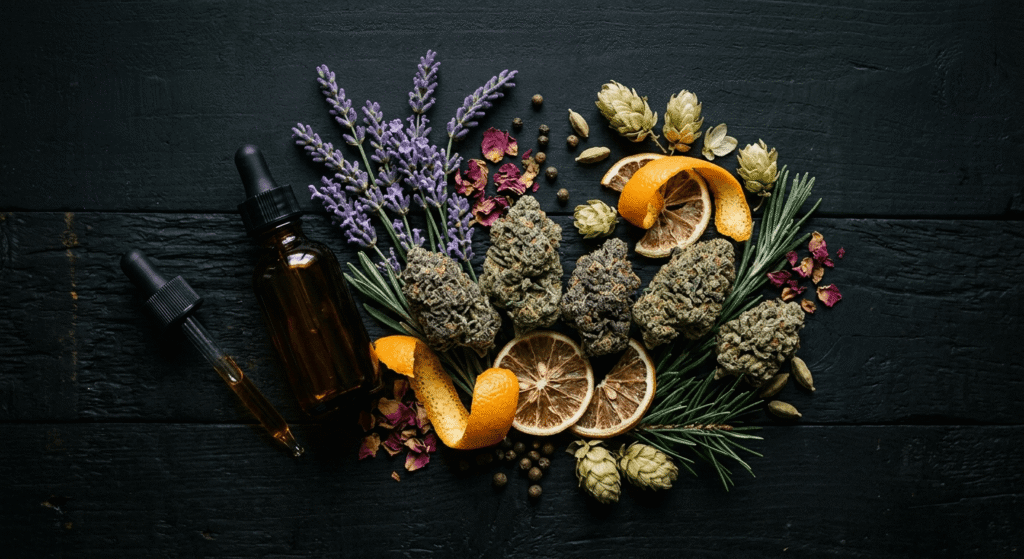
Sourcing and Preserving Terpenes: Best Practices
Terpenes are delicate they degrade quickly when exposed to excessive heat, air, or light. To maintain the full spectrum of aroma, flavor, and effect, it’s essential to understand terpene sourcing and storage.
Cannabis-Derived vs Botanical Terpenes
Terpenes are commonly sourced in two ways: as cannabis-derived terpenes or as botanical terpenes. Cannabis-derived terpenes (CDTs) originate directly from the cannabis plant and maintain the unique fingerprint of that particular strain. These terpenes are preferred for both authenticity and effect but tend to be more expensive and regulated.
Botanical terpenes are isolated from other plants (like citrus or pine), then repurposed into cannabis products. While they are chemically identical to their cannabis counterparts, some consumers believe only CDTs can truly replicate a strain’s full complexity. For more on sourcing, see the USDA hemp law and regulation guide.
How to Store Cannabis to Preserve Terpenes
Proper storage is crucial for retaining terpene benefits. Here are several tips:
- Maintain 55–65% humidity with humidity-control packs such as Boveda.
- Store cannabis in a cool, dark place; heat and light speed terpene loss.
- Use airtight, opaque containers to reduce oxygen and UV exposure.
- Purchase from reputable growers with proper curing for highest terpene retention.
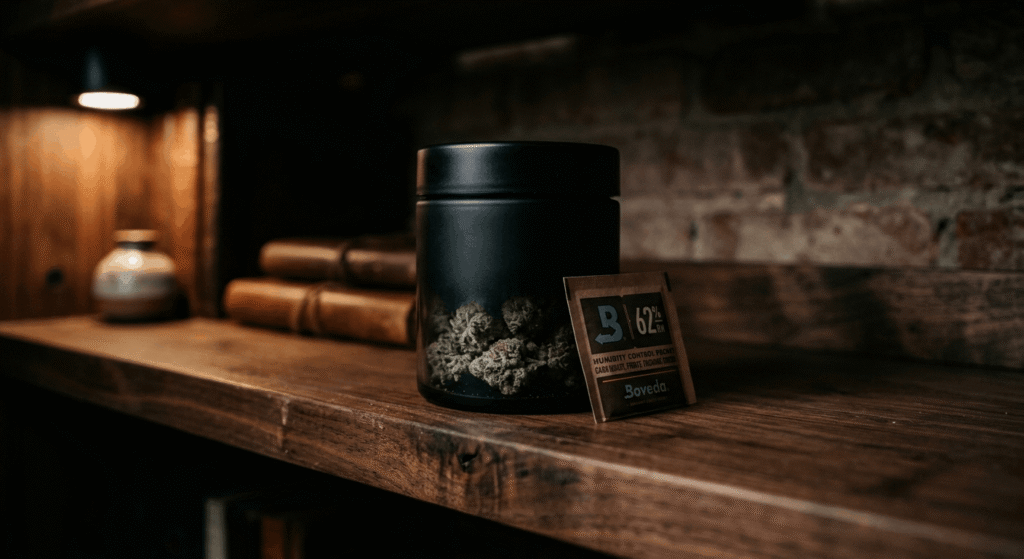
By following best practices on how to store cannabis to preserve terpenes, you maximize aroma, flavor, and overall experience. See our full guide for additional tips on this topic.
Consumption Methods and Terpene Retention
How you use cannabis also determines which terpenes make it to your senses. Vaporizing is superior for terpene retention, provided the device allows you to set precise temperatures (225–388°F). Smoking, due to higher temperatures, destroys some lighter terpenes and weakens aroma and flavor. In edibles, much of the terpenes list is depleted during baking, but careful infusion at lower temps can preserve more aromatics. Topicals and concentrates sometimes require the reintroduction of terpenes lost during extraction.
For best results, always review product labels for complete terpene profiles and consider experimenting with different consumption methods using products from our Shop.
Internal & External Packaging, and Legal Standards
When purchasing cannabis or terpenes, ensure that packaging complies with legal requirements and best practices to reduce aroma loss. Consult your supplier about packaging standards, and review details on Terms & Conditions and Privacy Policy for confidence in both purity and labeling accuracy.
Common Mistakes When Evaluating or Using Terpenes
Everyone wants to capture the full power of cannabis terpenes, but these common pitfalls undermine results:
- Relying Only on Aroma
Aromatic impressions alone are deceptive. Laboratory testing helps you accurately understand the complete terpene profile and resulting effects. - Ignoring Lab Reports or COAs
Overlooking lab-verified terpene profiles means missing vital information about purity and potential effects. Always check the Lab Results for validation. - Improper Storage
Leaving cannabis exposed to high temperatures, humidity, or direct sunlight leads to rapid terpene loss, diluting aroma, flavor, and effect. - Overheating During Use
Smoking or vaping above a terpene’s boiling point burns off aromatic compounds, resulting in blander product profiles and minimized therapeutic benefits. - Confusing Botanical Terpenes with Cannabis-Derived Terpenes
Some product labels are ambiguous. Ask your retailer for clarity so you can make informed choices about authenticity, legal status, and effect.
Avoiding these missteps ensures you enjoy the full potential of cannabis terpenes and make informed, satisfying product choices.
Frequently Asked Questions
1. How many terpenes are in cannabis and which are most common?
Cannabis contains between 150 and 200 terpenes, though most products are dominated by a smaller handful. Myrcene, limonene, pinene, linalool, caryophyllene, and humulene are the most common, accounting for primary aromas and effects in the majority of strains.
2. Are terpenes safe to consume?
When consumed in the concentrations naturally found in cannabis and foods, terpenes are generally safe. Aromatherapy and culinary evidence supports their safety, though more data is needed for high-dose or synthetic isolates. If you have allergies, check the product’s terpenes list and consult a health professional for peace of mind.
3. Do terpenes get you high?
Terpenes themselves do not produce intoxication. Their primary role is to create aroma, modify flavor, and subtly influence the experience. Psychoactive effects require cannabinoids like THC, but terpene benefits include enhancing mood, relaxation, or alertness.
4. Can you smell terpenes in raw cannabis?
Absolutely. The distinct fragrance of each cannabis strain is due to its specific terpenes profile. Whether the scent is citrusy, piney, spicy, or earthy, you are detecting the dominant aromatic compounds present in the flower.
5. What is the difference between terpenes and cannabinoids?
Terpenes are the aromatic compounds that shape the aroma, taste, and subtle mood effects of cannabis, while cannabinoids such as THC and CBD are responsible for physiological responses and psychoactivity. Together, they interact to create the full spectrum of the cannabis experience a phenomenon known as the entourage effect.
Conclusion
Grasping what are terpenes unlocks deeper enjoyment of cannabis, as you discover how these aromatic compounds team up with cannabinoids to shape every puff’s scent, taste, and effect. By understanding terpene profiles, learning how to store cannabis to preserve terpenes, and considering both source and consumption method, you ensure every experience is rich in both flavor and therapeutic benefit. For the best results, always consult lab results and authoritative guides, and don’t hesitate to explore our Shop to find your ideal terpene blend.